YOUR CART
- No products in the cart.
Subtotal:
$0.00
In some die casting applications, components must also be pressure-tight to hold pressurized fluid or gases. Companies use vacuum impregnation to meet these requirements by sealing the internal leak paths caused by interconnected porosity.
Misconceptions and lack of information about the vacuum impregnation process can hinder its implementation, which may increase unforeseen costs and negatively impact part quality. This piece demystifies vacuum impregnation by correcting three common myths.
Myth: Vacuum Impregnation is a CoatingFact: The process occurs subsurface, with no residual sealant remaining on the part’s surfaces, machine features, blind holes, and taps. Only the sealant drawn into the leak path by the force of the vacuum and pressure remains in the casting.
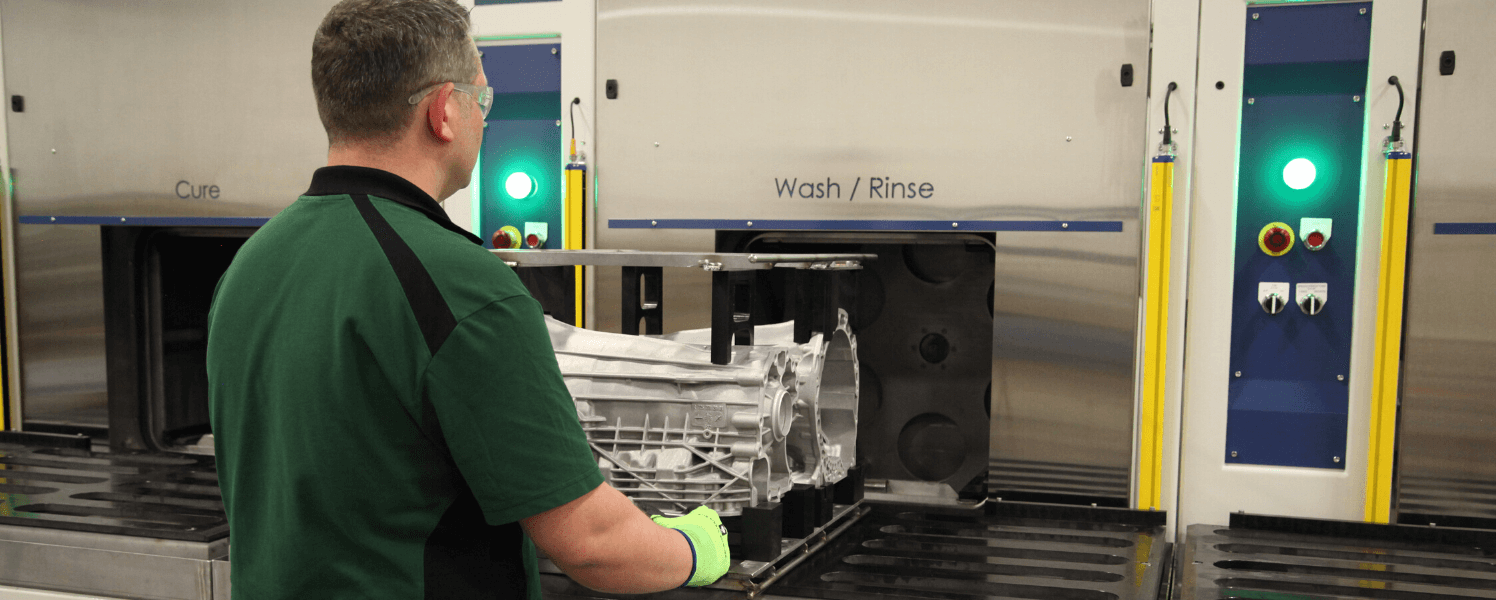
Myth: Vacuum Impregnation Causes Dimensional Changes to CastingsFact: Vacuum impregnation does not change the casting’s dimensions, thus allowing engineers the freedom to design and make parts to the net shapes. Since the vacuum impregnation process occurs subsurface, an engineer does not need to incorporate dimensional allowance.
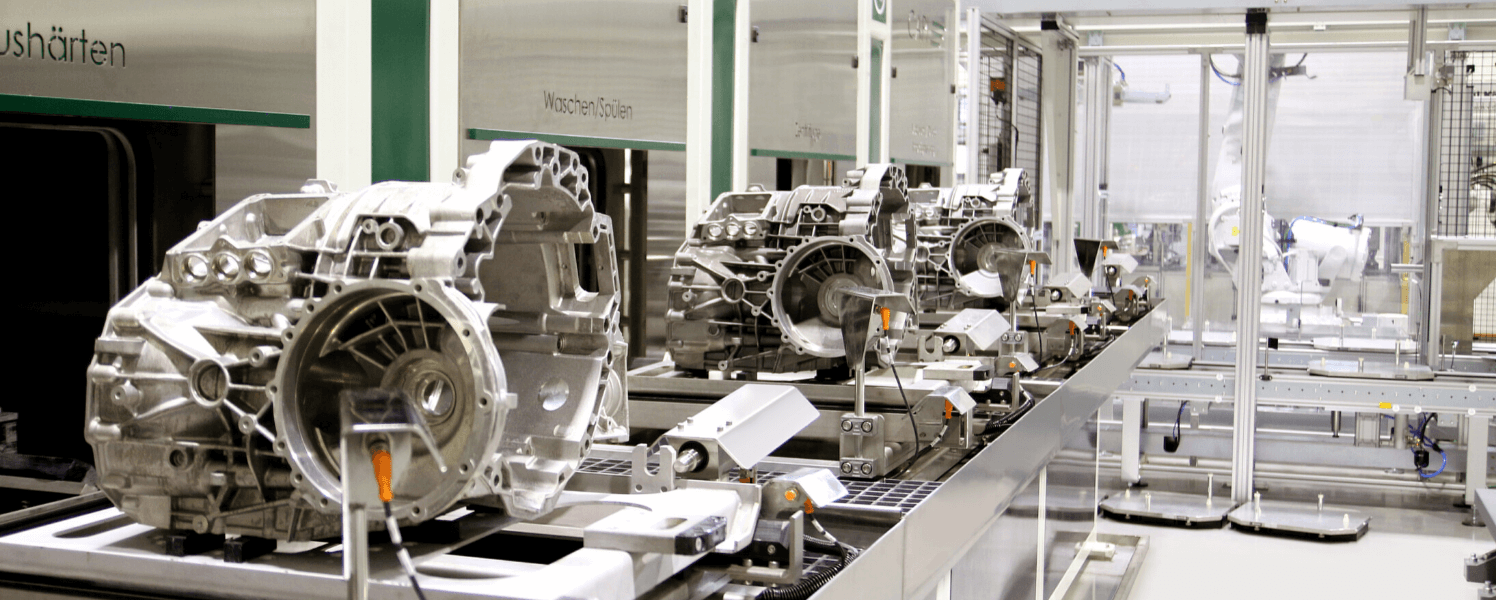
Myth: Vacuum Impregnation is a Cork or PlugFact: Vacuum impregnation seals porosity deep within the leak path; it is not a cork or plug. In the case of visible or open porosity, low viscosity sealants will most likely be washed out of pits or holes. Thus, a casting with surface porosity or blemishes before the process will exhibit the same surface porosity and blemishes after the process. However, the leak path below the part’s surface is fully sealed.
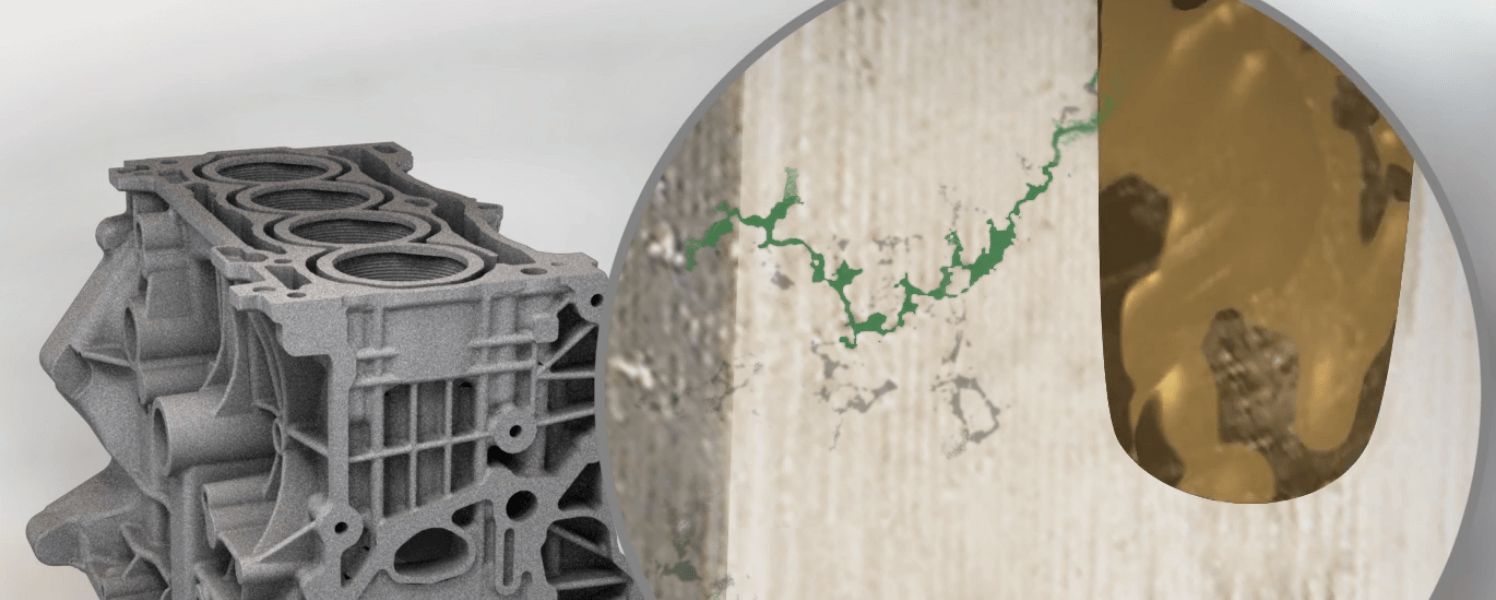
In Summary A clear understanding of how vacuum impregnation works can help companies maximize their production results. As the preferred method to prevent fluids or gases from leaking under pressure, the vacuum impregnation process seals casting porosity that forms during manufacturing. When done properly, the casting will function so that fluids or gasses will flow only where needed while physical characteristics, simply stated, will not be different in any manner. Vacuum impregnation helps manufacturers decrease the rate of scrapped parts, increase productivity, and ultimately increase their profitability.
Productivity and quality are keys to the success of any continuous flow production philosophy. However, vacuum impregnation systems have remained antiquated, which causes production and quality issues in modern manufacturing environments. Hence their absence from most continuous flow production plans.Such is the case of a vertically integrated automotive OEM. This company had an outdated vacuum impregnation system that did not meet their continuous flow strategy. The division that operates the vacuum impregnation system pours the metal, machines, and assembles components to produce finished engines.
The Challenge
At the launch of a new engine block line, the company realized that its current vacuum impregnation system could not reliably process the new engine blocks. The OEM realized that the following challenges needed answered:
The Solution
The OEM’s leaders realized that the current vacuum impregnation system would need to be replaced with a modern impregnation system.
Based upon these roadblocks, Godfrey & Wing recommended its Continuous Flow Impregnation (CFi) system. The system would be customized to answer the customer’s challenges.
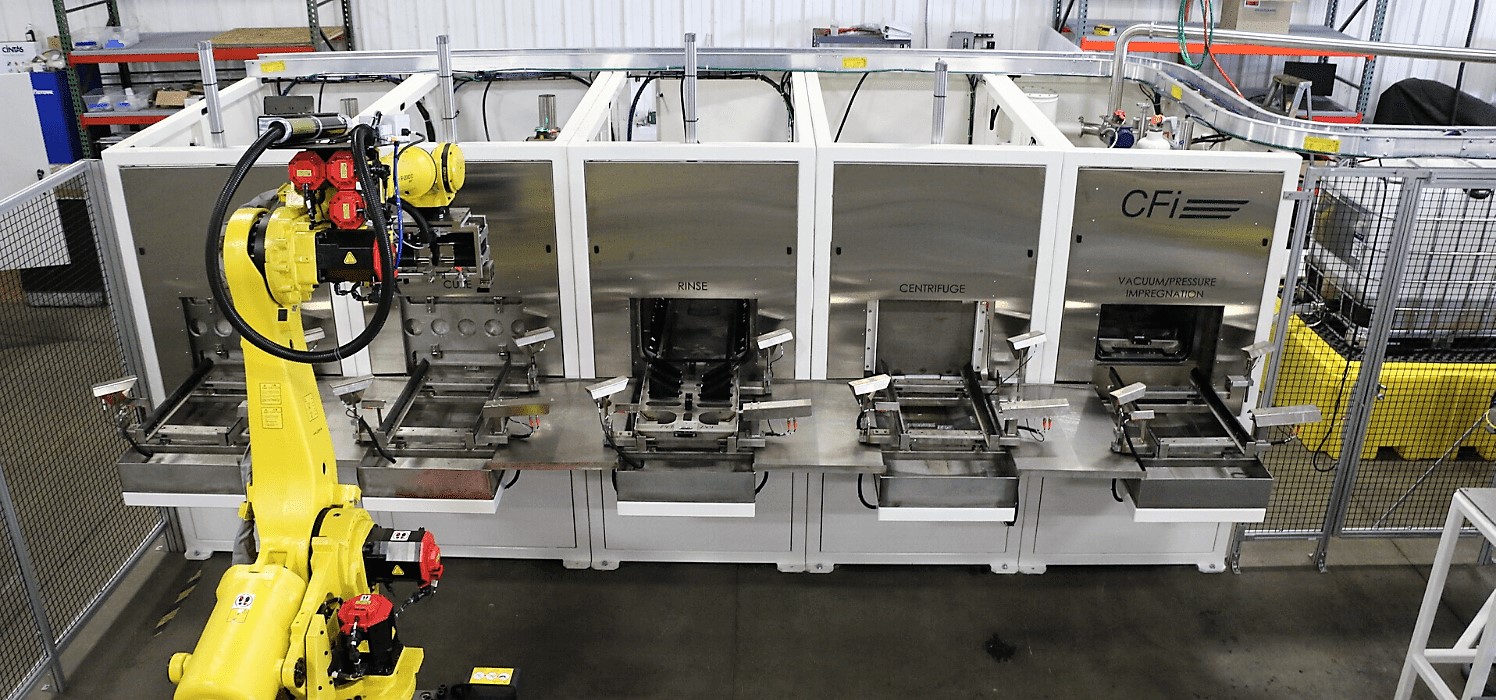
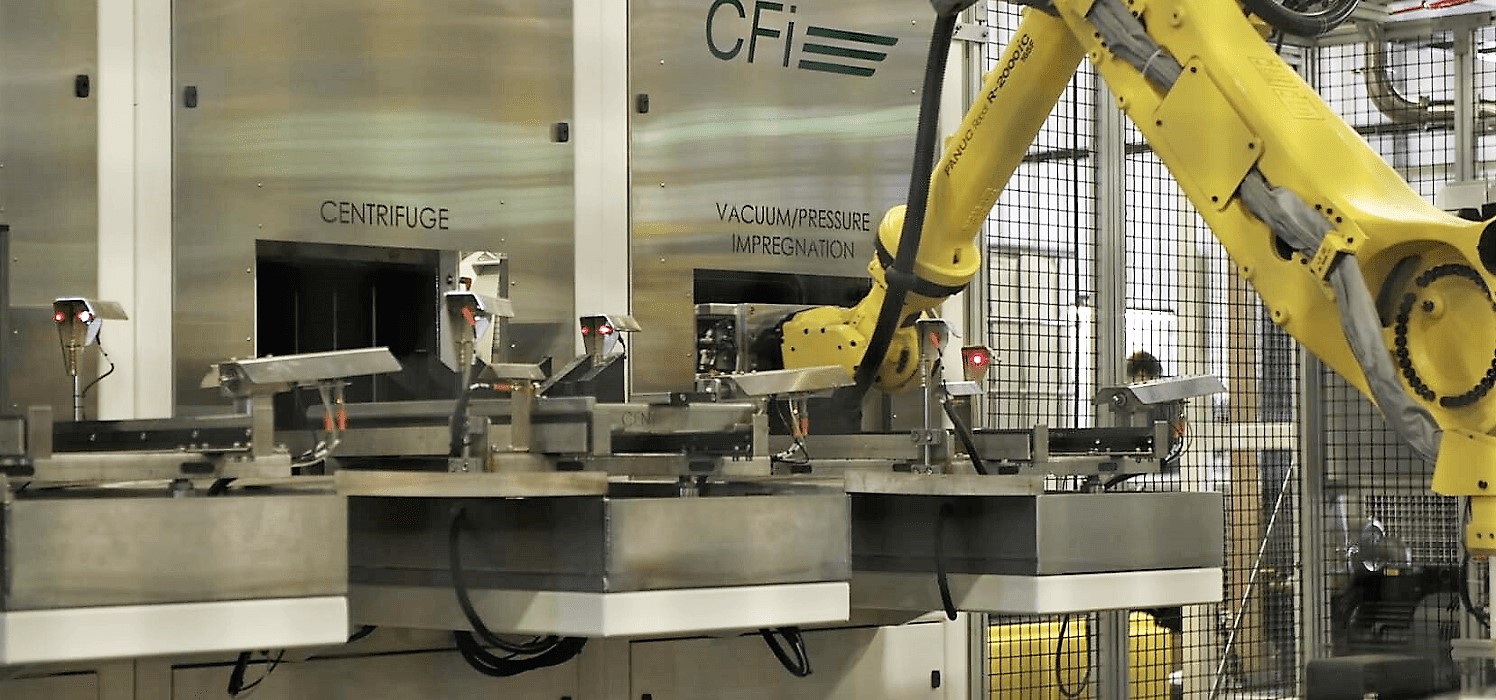
To improve the sealing rate, the CFi uses the patented Dry Vacuum and Pressure (DVP) process, which yields a higher seal rate than the DV process. The CFi with the DVP process incorporates a fast, deep vacuum to evacuate the air from the porosity. Then after moving sealant to the part, the system applies high pressure to allow the sealant to penetrate deep in the casting walls.
The OEM specified precisely where to place the system on the manufacturing floor. Knowing this, the Godfrey & Wing engineering team designed the layout to accommodate the floor space and production integration.
The system was designed with a 7-axis robot for parts handling, and conveyors integrated with machining and leak test operations. The robotic arm forms the interface between the impregnation system and the processing line while using the least amount of space. After impregnation, the castings are fed by the robot directly to leak testing via a cooling conveyor belt. The automation enables continuous production in a modular, compact space.
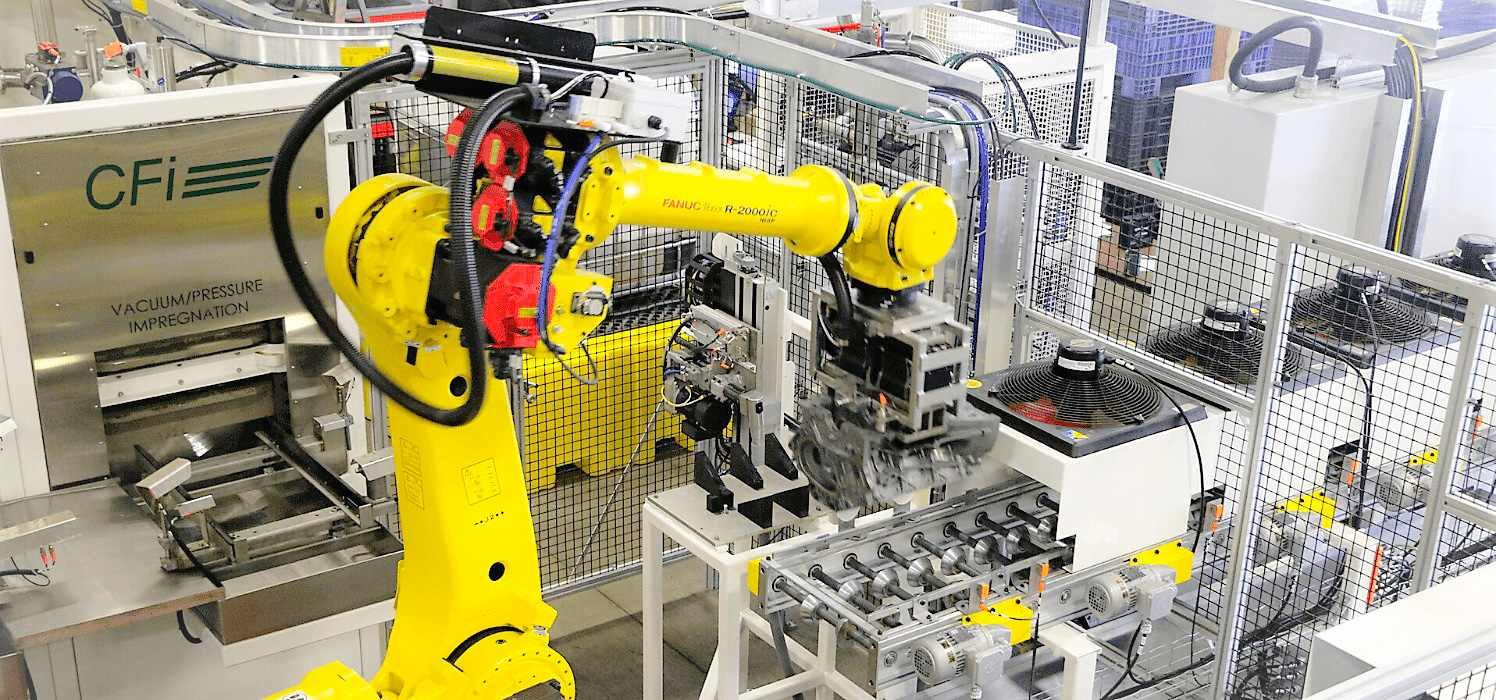
The internal components were positioned to enable ease of maintenance without interrupting production. The maintenance team is now able to service principal components through the rear panel doors, rather than accessing the system through the safety fence. Sanitary connectors are used that can be maintained by hand without the need for specialty tools. Each module has a line rate disconnect so that maintenance does not need to power down the entire system for service.
The Results
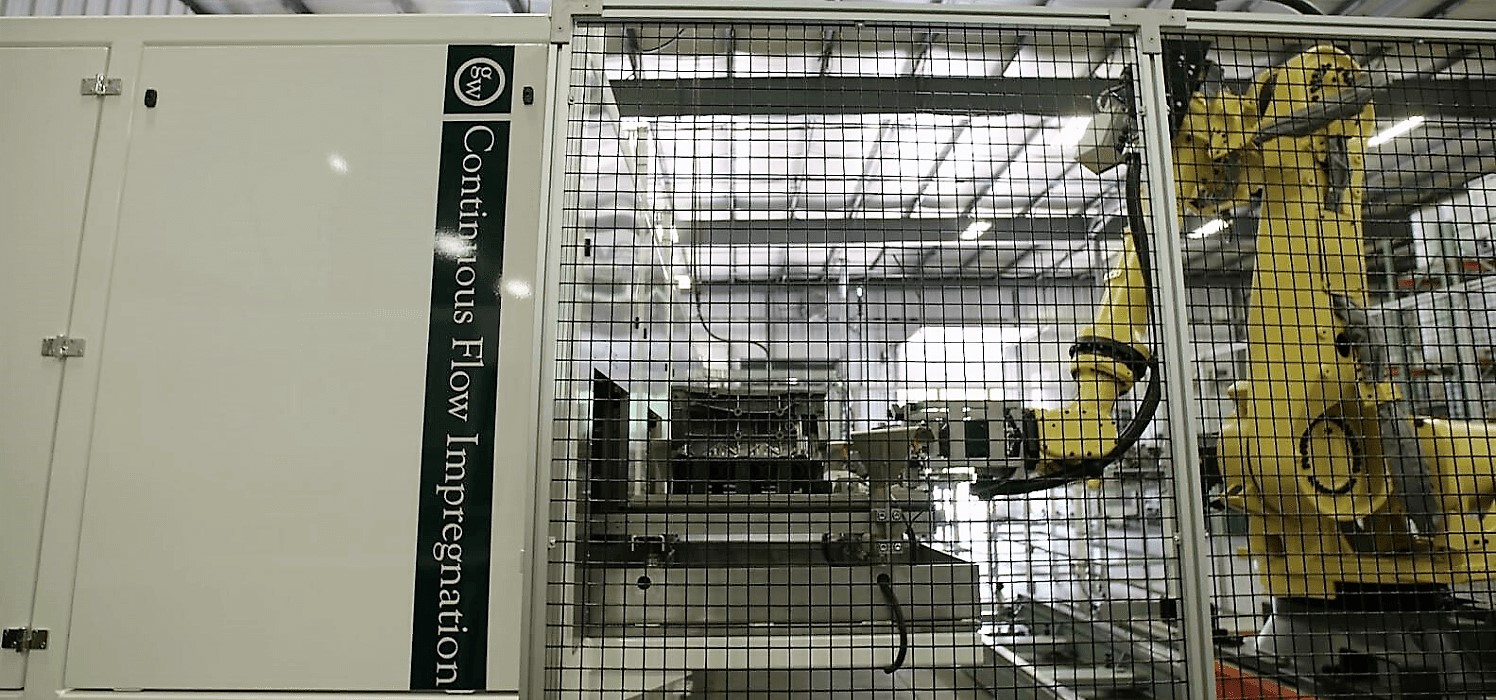
The CFi was installed, operators and maintenance were trained, and the system was running production in two months. Since then, the CFi is addressing all the company’s challenges.
In Summary
As OEMs search for ways to improve continuous flow manufacturing, it is necessary for a paradigm shift. This OEM found value in doing so by investing in a lean and modern vacuum impregnation system. The CFi plays an integral production role by increasing casting recovery while reducing maintenance
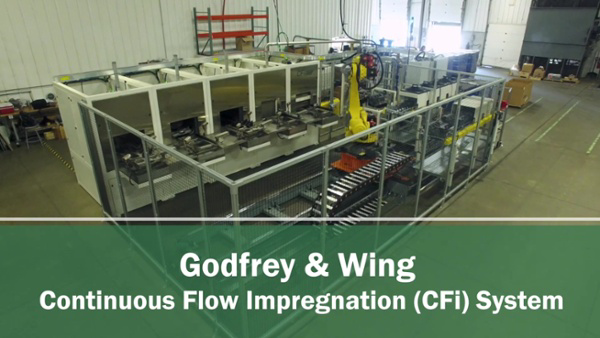
In some die casting applications, components must also be pressure-tight to hold pressurized fluid or gases. Companies use vacuum impregnation to meet these requirements by sealing the internal leak paths without impacting any other features of the casting. A commonly asked question is in addition to leak paths, can vacuum impregnation seal cracks?
We look forward to seeing you while you visit Cleveland during NADCA’s Die Casting Congress & Tabletop. We’re home to a number of distinguished attractions and award-winning eateries. If you are looking for things to do in your free time during the show, below is a list of some of our favorites.
As manufacturing equipment ages, the Overall Equipment Effectiveness (OEE) decreases. A company that fails to invest in equipment, will not be able to meet demand or produce a quality product, thus potentially losing its competitive edge. Companies who want to succeed in this landscape are identifying equipment investment opportunities to keep production moving and while producing a quality product.
The HVLV vacuum impregnation system allows OEMs, contract manufacturers, die casters and foundries to have the benefits of vacuum impregnation in a simple, easy to use machine. In this video, John Halladay (aka Johnny Impreg) will show you some of his favorite features on how the system efficiently and effectively seals porosity while eliminating the costs and risk of outsourcing.
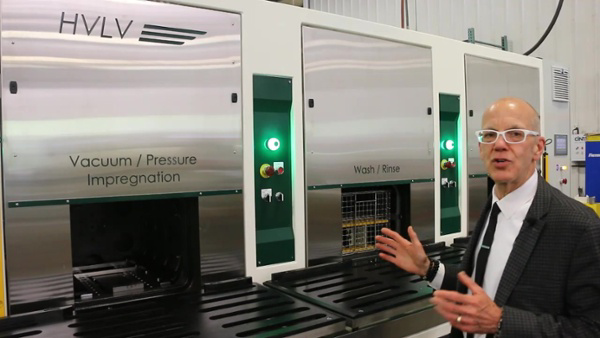
Hey, Johnny Impreg here. Based on the response we got from my walk around of our CFi, I’ve been asked to do the same kind of video for our HVLV, it’s our High Value Low Volume semi-automated impregnation system.
Here’s some of my favorite features of the HVLV. Number one, it’s a super small, compact footprint. It’s about 96 square feet, so you can integrate it right into your manufacturing, put it right in with leak test. Second of all, it’s got a super easy man-machine interface with light curtains to protect the operator at all times.
There’s three modules. You got your vacuum and sealant recovery system, then you’ve got your wash and rinse, and your cure. And to move between modules, all you do is take the basket out, insert it, and start it with a flick of a switch. The system’s PLC control being semi-automated and with the tack time of 240 seconds, you’ll get about 15 jobs per hour.
I hope this information was helpful. If you have any questions, please leave questions or comments in the comments section below, or you can hit me up on WhatsApp or LinkedIn.
Thanks a lot for watching. Bye for now.
The goal of a foundry is to produce high quality die castings that meet or exceed the customer’s specifications at a competitive cost. In some die casting cases, those specifications require that the part must hold pressurized fluid or gasses. Companies use vacuum impregnation when the part must hold fluids or gasses under pressure. A common question asked about vacuum impregnation is “When Should I Impregnate a Casting?” This video addresses this question by answering if vacuum impregnation should be done before or after machining and finishing.

Hey, everyone. Welcome to “Casting Call” with Johnny Impreg. This is a premiere episode of a video blog series where we hope to answer all your compelling questions of everything impregnation. We’re going to start with the question I think I hear most often from folks is, “When should I impregnate a casting?”
Now, spoiler alert, I’m going to give you the answer now in case you’re short on time. But you want to do the impregnation after machining and prior to any kind of finishing like plating or painting.
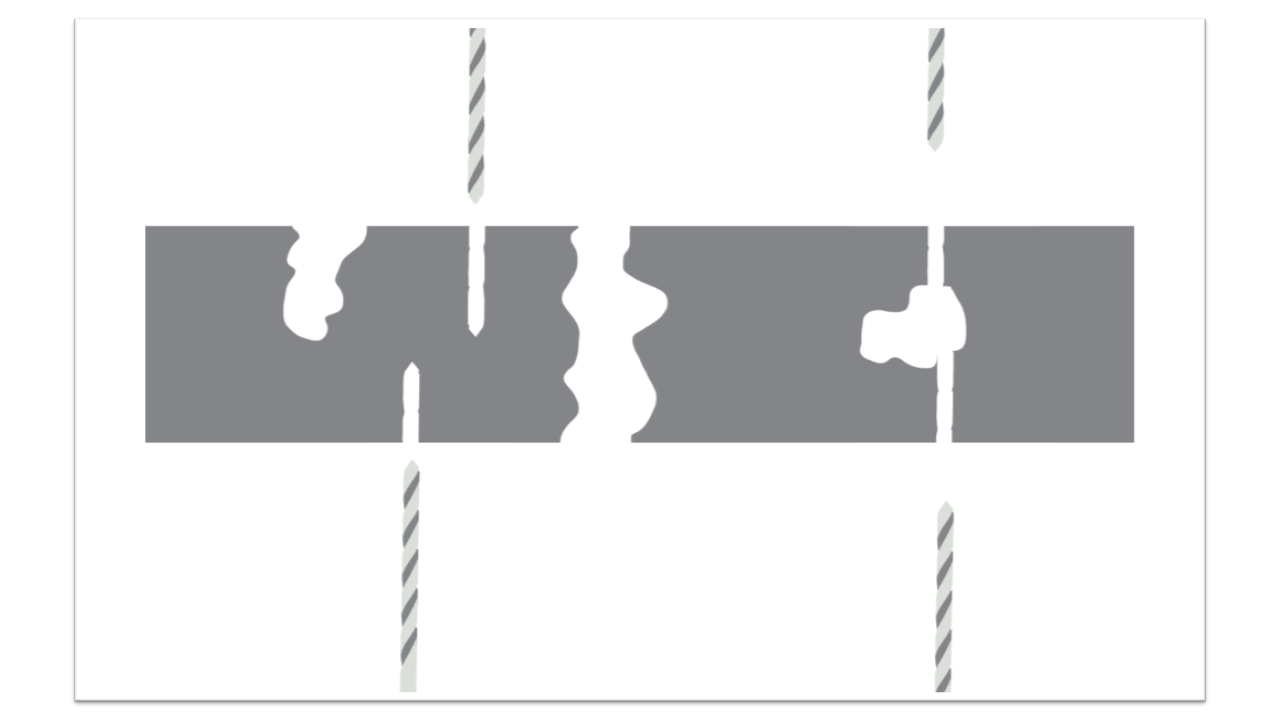
Now, here’s why. Let’s consider the three different types of porosity you see in a raw casting—blind porosity, through porosity, wall to wall, and fully enclosed. If you impregnate a casting in this condition, you’ll get sealant in the blind. You’ll get it here, but you won’t get any sealant in this area. That becomes important when you do the machining, because when you machined from here, you’re going to have a leak path.
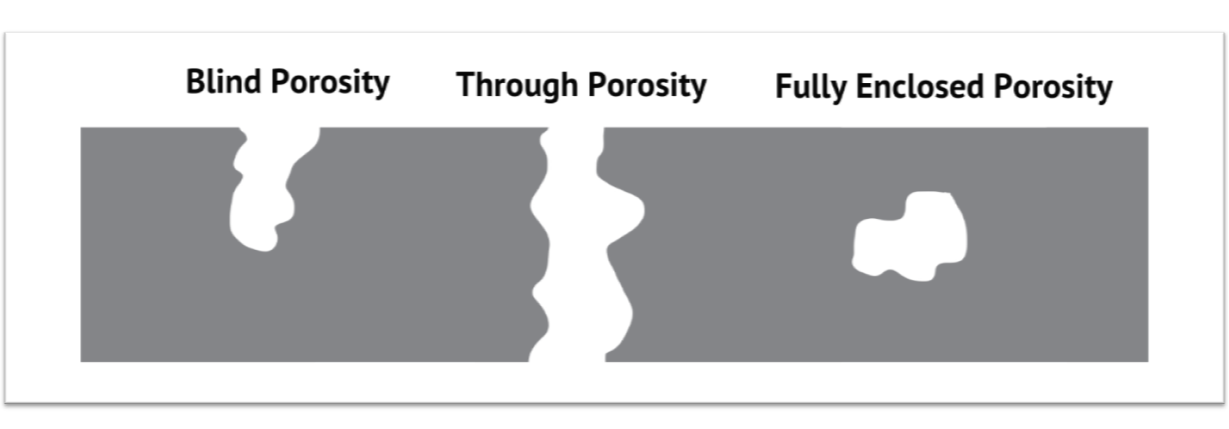
Now, if you do the impregnation after machining, you’ll still fill this and now you’ll fill this leak path as well. The reason you want to do it prior to finishing is you want to fill up all the porosity before you do the plating or painting. Otherwise, you could end up with out gassing or other blemishes that really don’t look so nice.
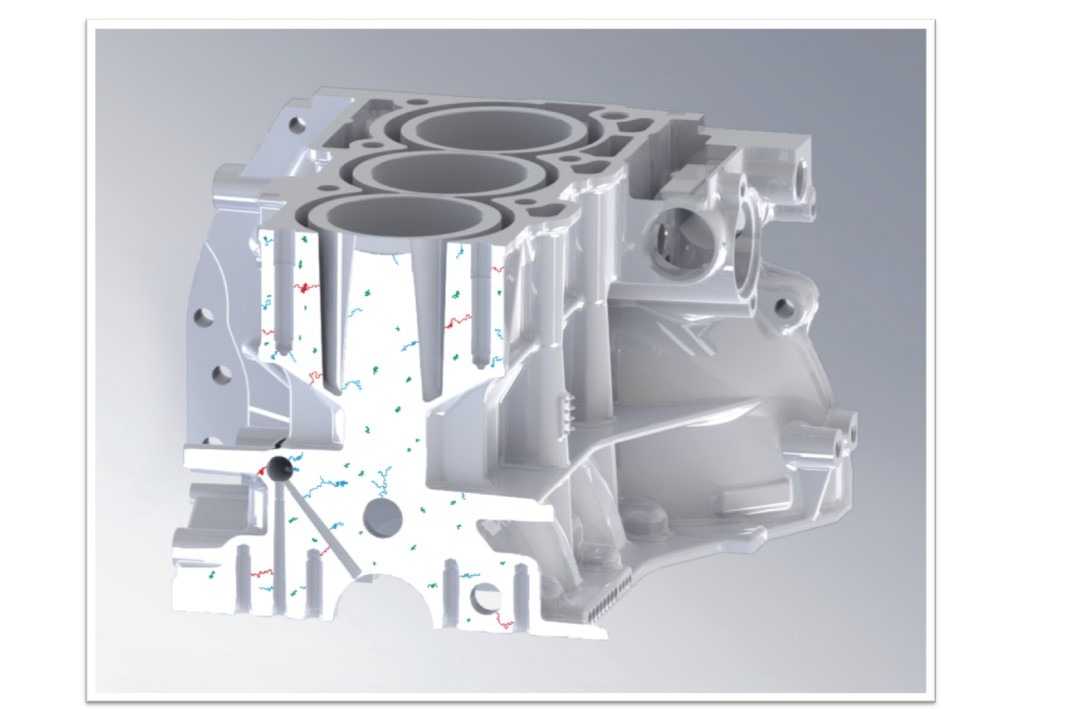
Let’s look at a real-world example on a cylinder block. Now, in this region here, we had a case where there was blind porosity going from here into the casting. It didn’t cause a problem until this machining cut was made. We have some other areas where we had enclosed porosity that was connected through two different machining passes. So, this is a real-world example of why you should do impregnation after machining.
So, I hope this little tutorial helped you. If you have any questions, please feel free to leave comments below and hit me up on WhatsApp or LinkedIn.
Powder coat, paint, chromate conversion, or anodizing, are common finishes applied to die cast parts to improve their performance or appearance. In some die casting applications, components must also be pressure tight to hold pressurized fluid or gases. Companies use vacuum impregnation to meet these requirements by sealing the internal leak paths without impacting any other features of the casting.
A common question asked about vacuum impregnation is “Should vacuum impregnation be done before or after finishing?”
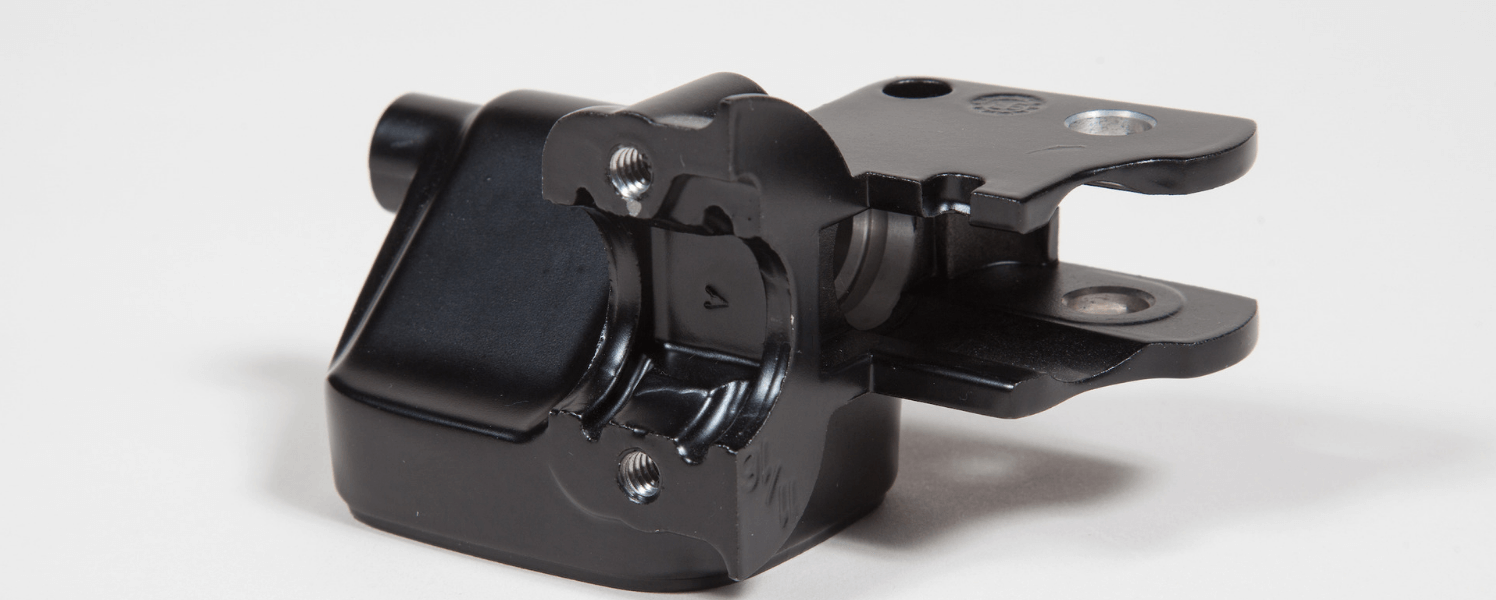
The general rule is that vacuum impregnation should be done before any surface finishes. This will seal the porosity and eliminate any failure mode that could develop from outgassing, chemical compatibility or bleed out of pretreatments. Below are examples of failure modes that can occur if impregnation is done after the finish is applied.
The painted part will be exposed to sealant, and certain minerals and alkalis in the water. The sealant can react with paint and degrade the quality of adhesion of the paint with the part surface. During impregnation the painted part is heating to 195 F in hot water. The water or residual minerals in the water may leave water spots, or in the worst case, alter the color hue in color or degrade the finish (Image 1).
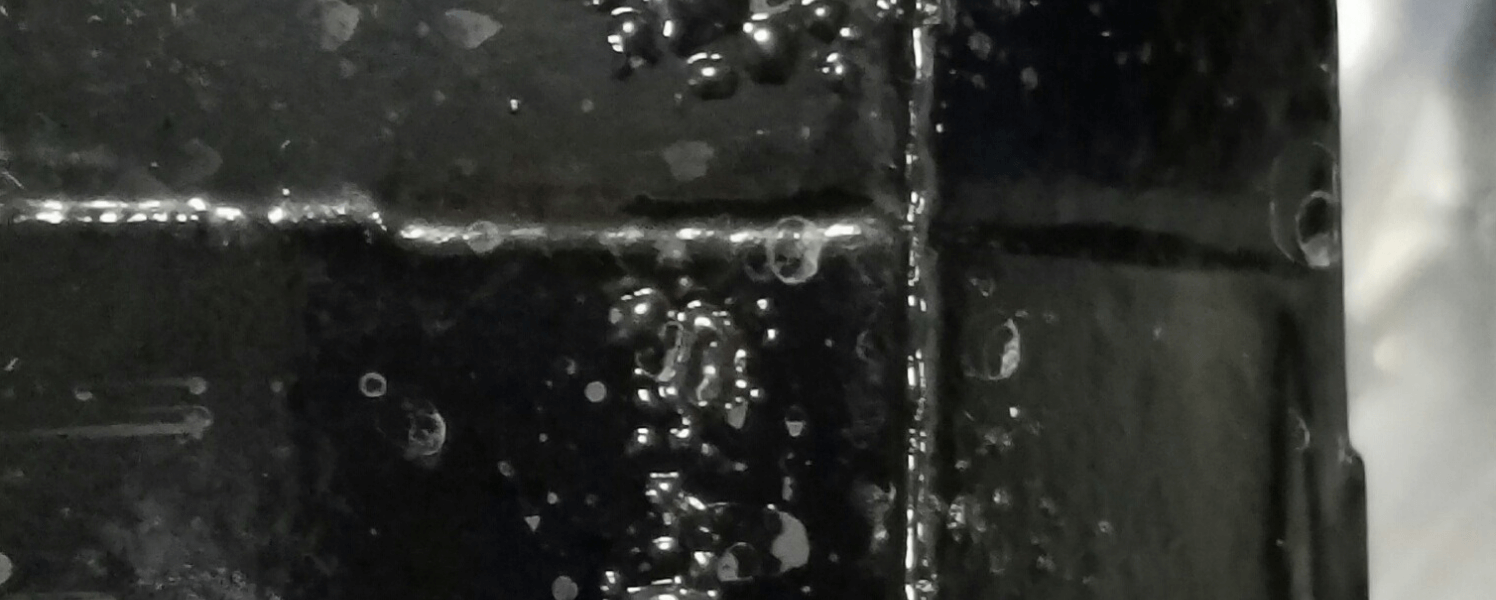
Image 1: The water or residual minerals in the water may leave water spots, or in the worst case, alter the color hue in color or degrade the finish
Many chemical finishes require aggressive liquid pre-treatments for the finish to ‘bond’ to the casting surfaces. These pretreatments may penetrate the near surface porosity and remain in the pore even after the finish is completed. During the impregnation process, the vacuum will pull these chemicals from the porosity and into the finish may lead to corrosion and a defect known as “blooming” .
If a chromate finish is applied to a part prior to impregnation, the heat required to cure the vacuum impregnation sealant (195 F) will degrade the quality of the coating. This will lead to a premature failure of the coating and be the cause of part oxidation.
Finally, regardless of the type of finish, the part can be damaged or scratched from handling and processing (Image 2).
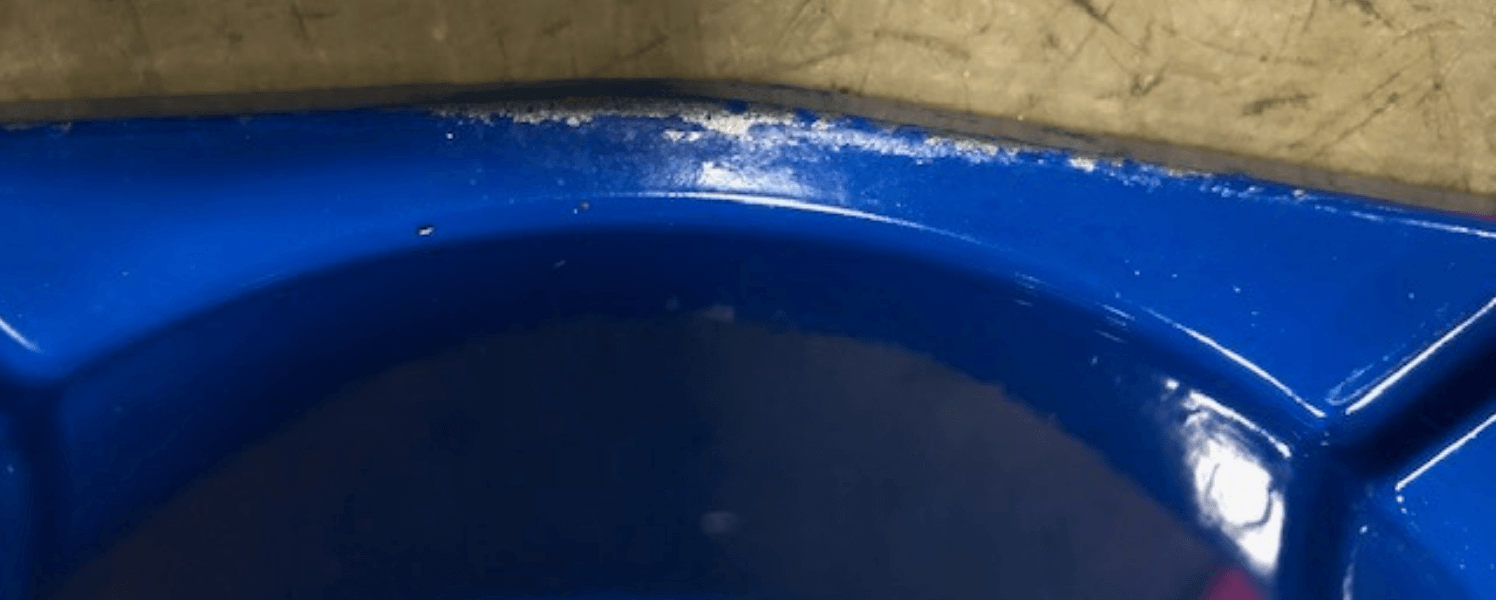
Image 2: If not properly fixtured, the parts can shift during the impregnation process and become damaged or scratched.
Vacuum impregnation not only seals the porosity but may prevent cosmetic defects in powder coating. If not sealed, the pores would otherwise hold air. This air may expand and out gas during the curing stage. The air escapes through the powder, causing holes or bubbles, called pin holes, in the finish (Image 3). These pinholes are not only unattractive, they also allow in moisture and corrosion to damage the part. Vacuum impregnation prevents this issue from happening by removing the air and filling the porosity with sealant.
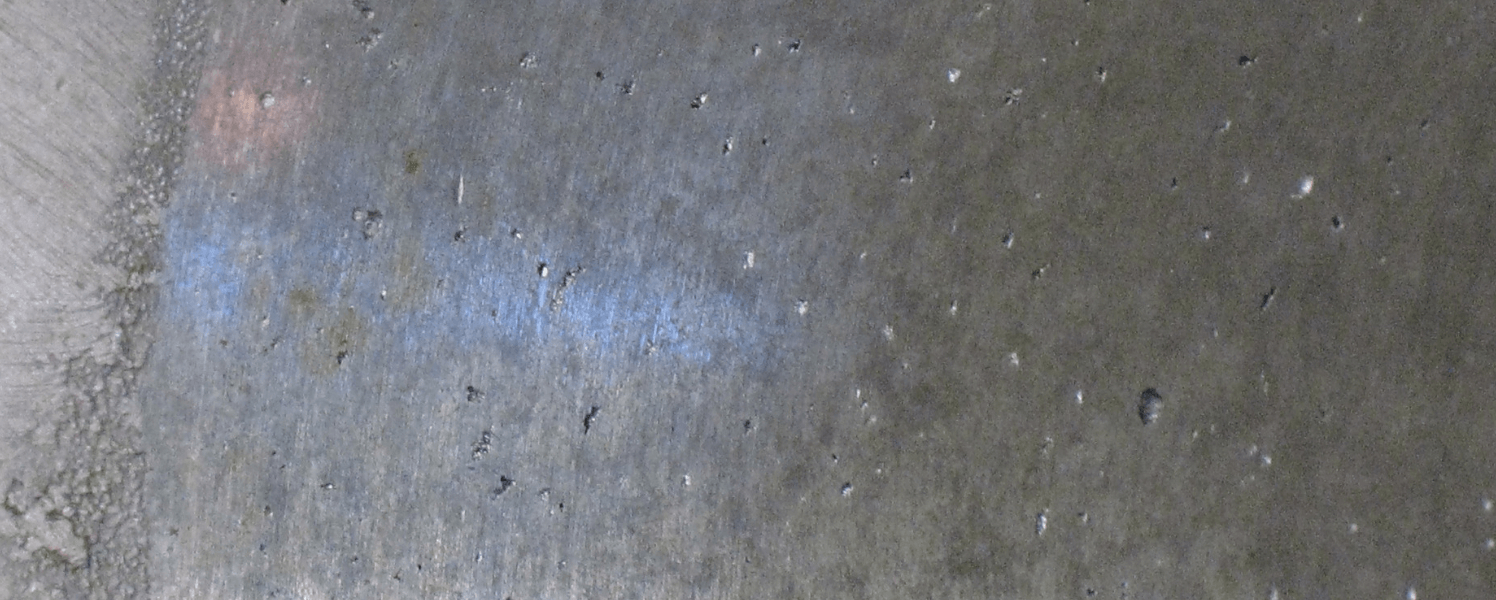
Image 3: If not sealed, the pores would otherwise hold air. This air may expand and out gas during the curing stage, causing pin holes.
If parts are machined after finishing, then the parts should be sealed after machining. This is because a machine tool may expose or open porosity when it cuts into the part’s surface.
The new inter-connected porosity will create a leak path. The leak path will cause fluids and gases to leak from the casting, causing it to be non-conforming, and in many cases unusable. Unfortunately, this occurs precisely at the wrong time, since the non-conforming part has already been manufactured. All the value has been added to the non-conforming part.
Vacuum impregnation is the most effective way to seal casting porosity, but it must be performed at the correct stage of the production process. Performing vacuum impregnation prior to finishing will ensure that all leak paths are sealed while safeguarding and enhancing the quality of the final finish.
The casting industry is in a transitional period adjusting to new trends and products. Manufacturers require flexibility in their equipment to account for shorter program life cycles while still being able to be competitive. In many instances this requires assets to be spread across multiple programs. It is a landscape that rewards companies who identify opportunities to adapt to the changing circumstances. One example is a case where vacuum impregnation requirements unexpectedly and suddenly increased in one manufacturer’s location while another of its locations had underutilized impregnation capacity.
The company operates multiple locations in the United States and one in Mexico. One site in the USA was operating at maximum capacity. Due to issues beyond its control, this facility saw an increase in castings that failed leak test. With this increase in fallout their vacuum impregnation hit full utilization, and more capacity was needed.
The company considered three options to create more capacity:
The facility in Mexico had a delay in a product launch, which led to idle capacity. This inactive impregnation system was what was needed in the USA. Most discounted this option as far too complicated given customs, border crossings and transportation.
Fortunately, the company standardized on Godfrey & Wing’s lean front-loading vacuum impregnation systems. The USA facility operated a fully automated Continuous Flow impregnation (CFi) system and the Mexico facility employed two High Value Low Volume (HVLV) systems (Image 1). The CFi is a lean, front loading vacuum impregnation system that uses a robot for part handling and transfers between modules. The HVLV is the same impregnation technology but utilizes automated process control and manual material handling.
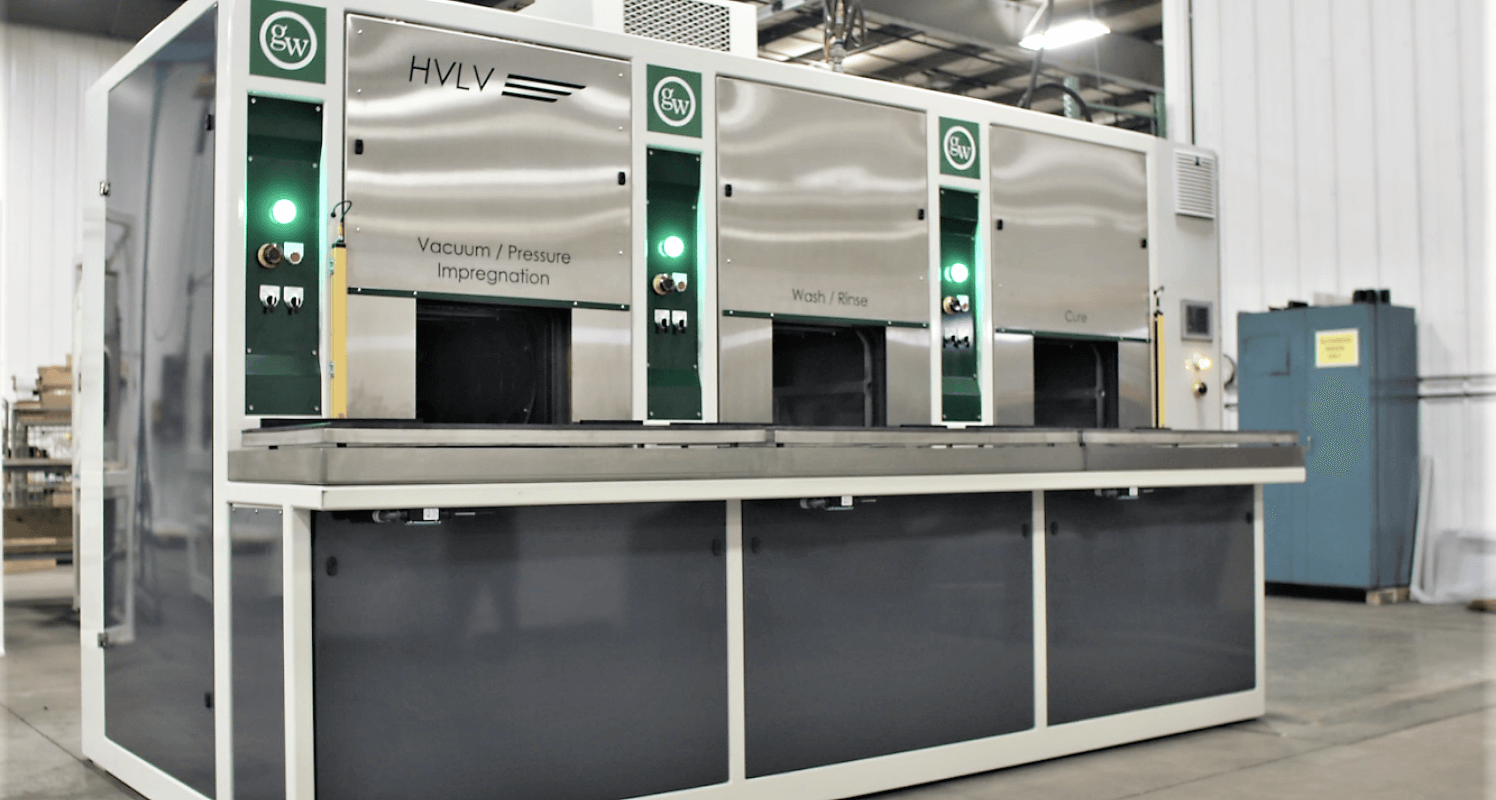
Image 1: The HVLV is a front loading system that uses automated process control and manual material handling.
Despite initially discounting moving an HVLV system from Mexico, the customer’s operations team decided this was the best option and quickly started assembling data.
The team discovered:
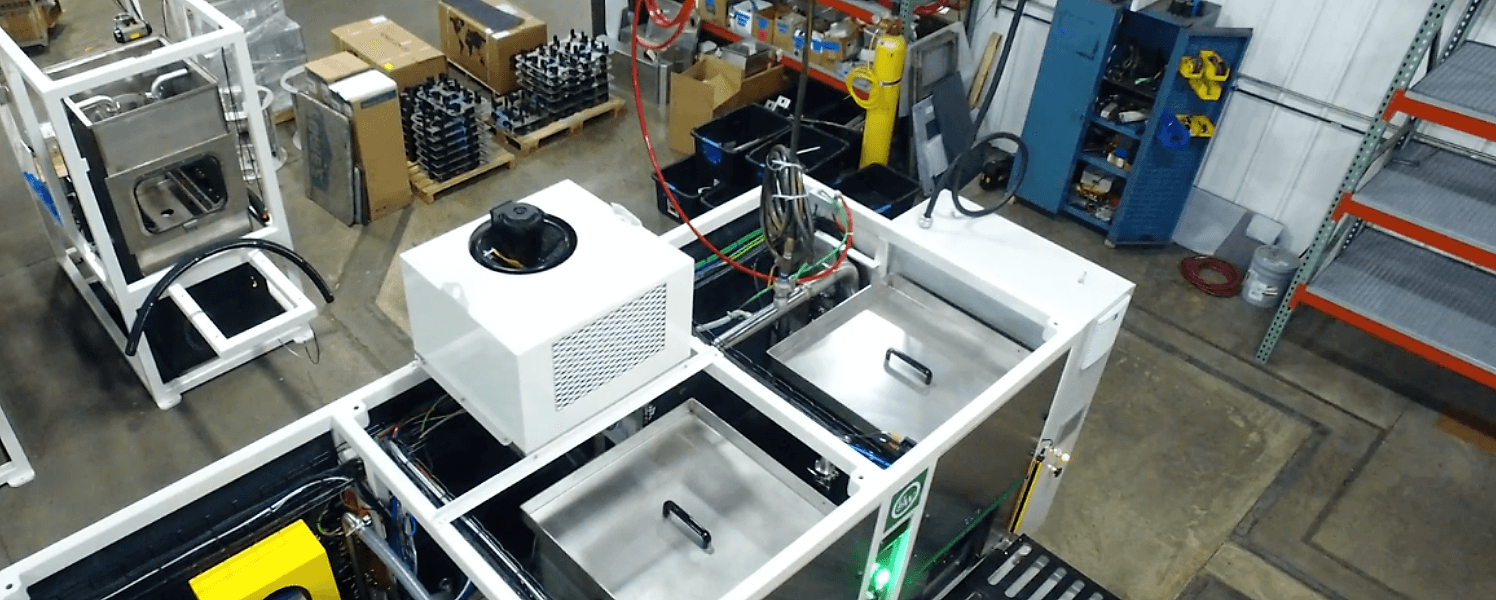
Image 2: The HVLV requires no interconnecting wires to be removed or reinstalled.
The team reached the conclusion that shipping the idle vacuum impregnation system from Mexico was the best solution to the capacity problem in the USA. Within three hours on a Friday morning, the HVLV was decommissioned and placed on a truck. The unit arrived at its USA destination, 1700 miles away, on Monday, qualified on Tuesday, and was sealing parts on Wednesday.
The data clearly shows that transporting the HVLV achieved the company’s capacity goals. The results included:
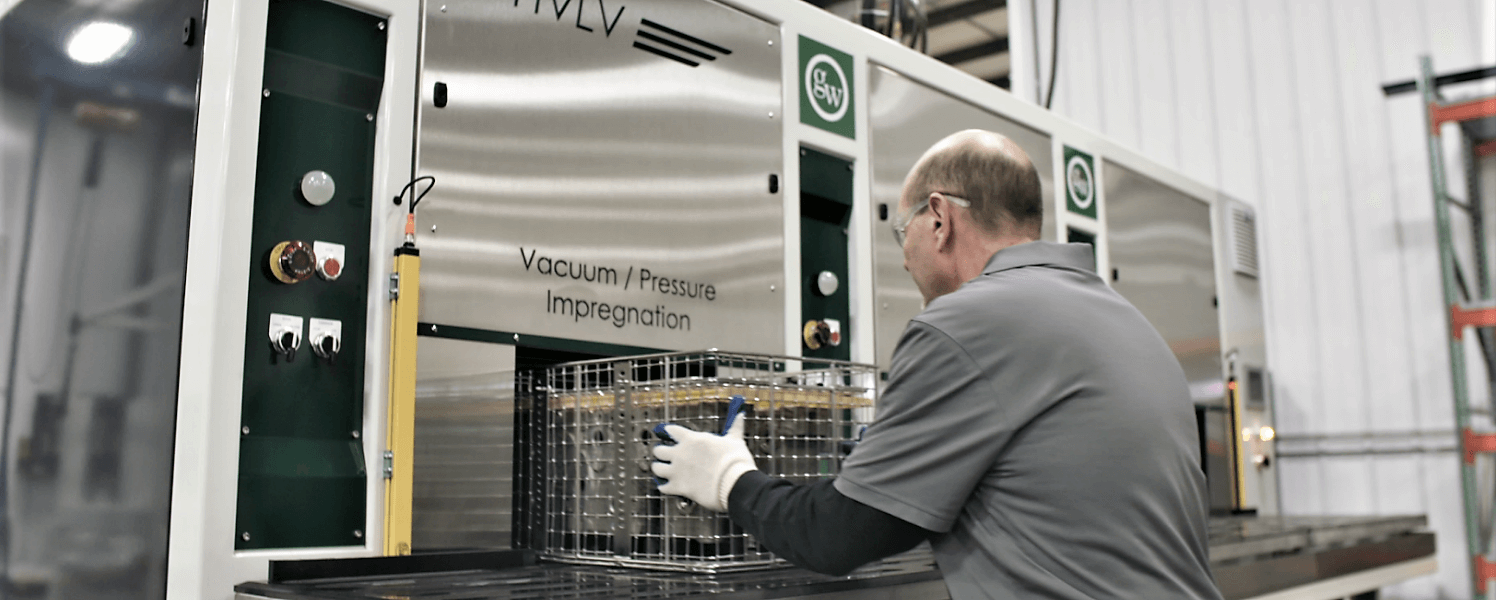
Image 3: The HVLV easily accommodated the spike in capacity requirements by increasing throughput by 40%.
The HVLV is projected to operate in the USA for six months. At that time, the HVLV will be reinstalled back in Mexico for the launch of a new casting program.
Godfrey & Wing’s HVLV is the only system that can meet these demands with ease. The company found great value in operating their vacuum impregnation equipment as a flexible, portable system. The company now considers this HVLV not tied to a specific program, but rather as a piece of its infrastructure. That HVLV will now be sent to whichever location that has capacity issues.
Manufacturing activities are being shaped to an increasing degree by the demands of consumer taste. Consumer’s expectations of quality and performance define product design, which further determines the requirements of the supply chain. This is a landscape that rewards suppliers who identify opportunities to adapt to the changing circumstances. One example is a vacuum impregnation service center that seals a variety of aluminum die castings for various automotive and industrial OEMs, Tier 1, and 2 suppliers.
The company primarily uses in-house batch impregnation systems to process the die castings. The batch systems aggregate various parts and process them in large batches. Despite being well versed in vacuum impregnation, the company could not reliably process the high value and complex castings due to the limitations of their batch systems. The company realized that the following challenges needed to be answered:
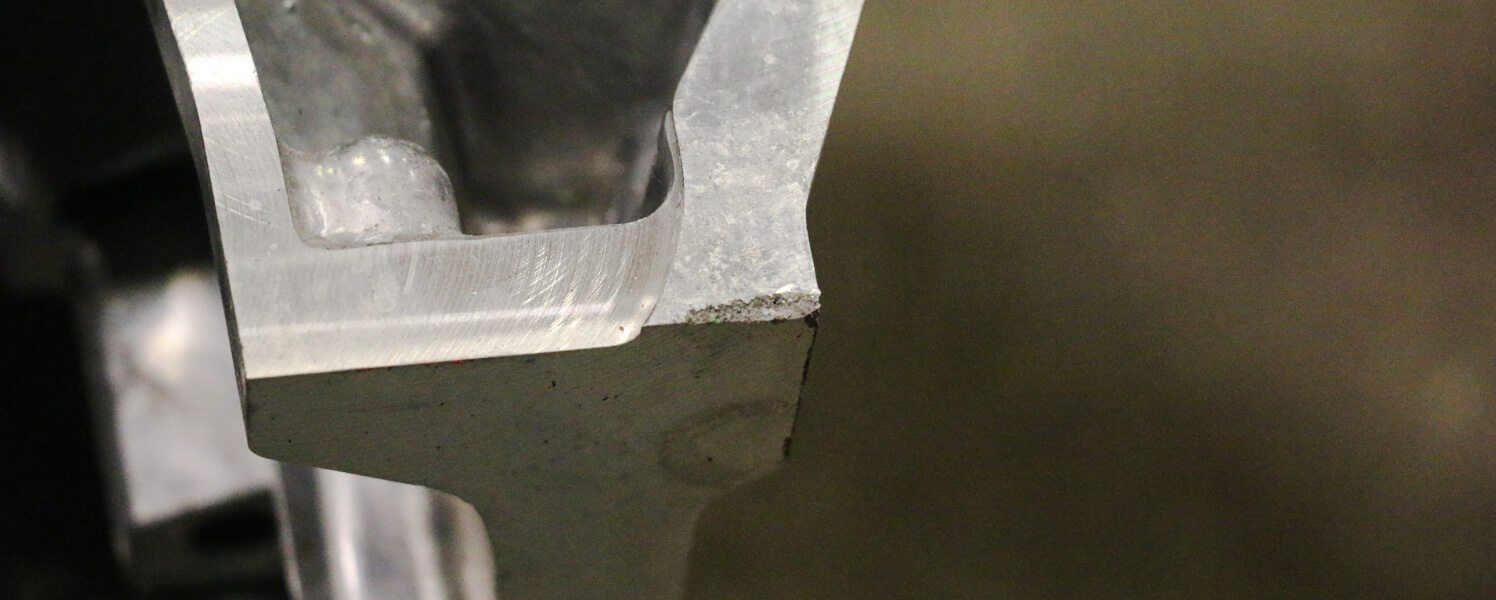
Figure 1: Despite being sealed, some parts were scrapped due to damage to machined features from handling in the batch system.
To meet their customer’s quality and production requirements, the company realized that they needed to install an effective impregnation process in their manufacturing environment. Working with Godfrey & Wing, the company laid out their vision. Godfrey & Wing responded with its Continuous Flow impregnation (CFi) system (Figure 2). The system would be customized to answer the customer’s challenges.
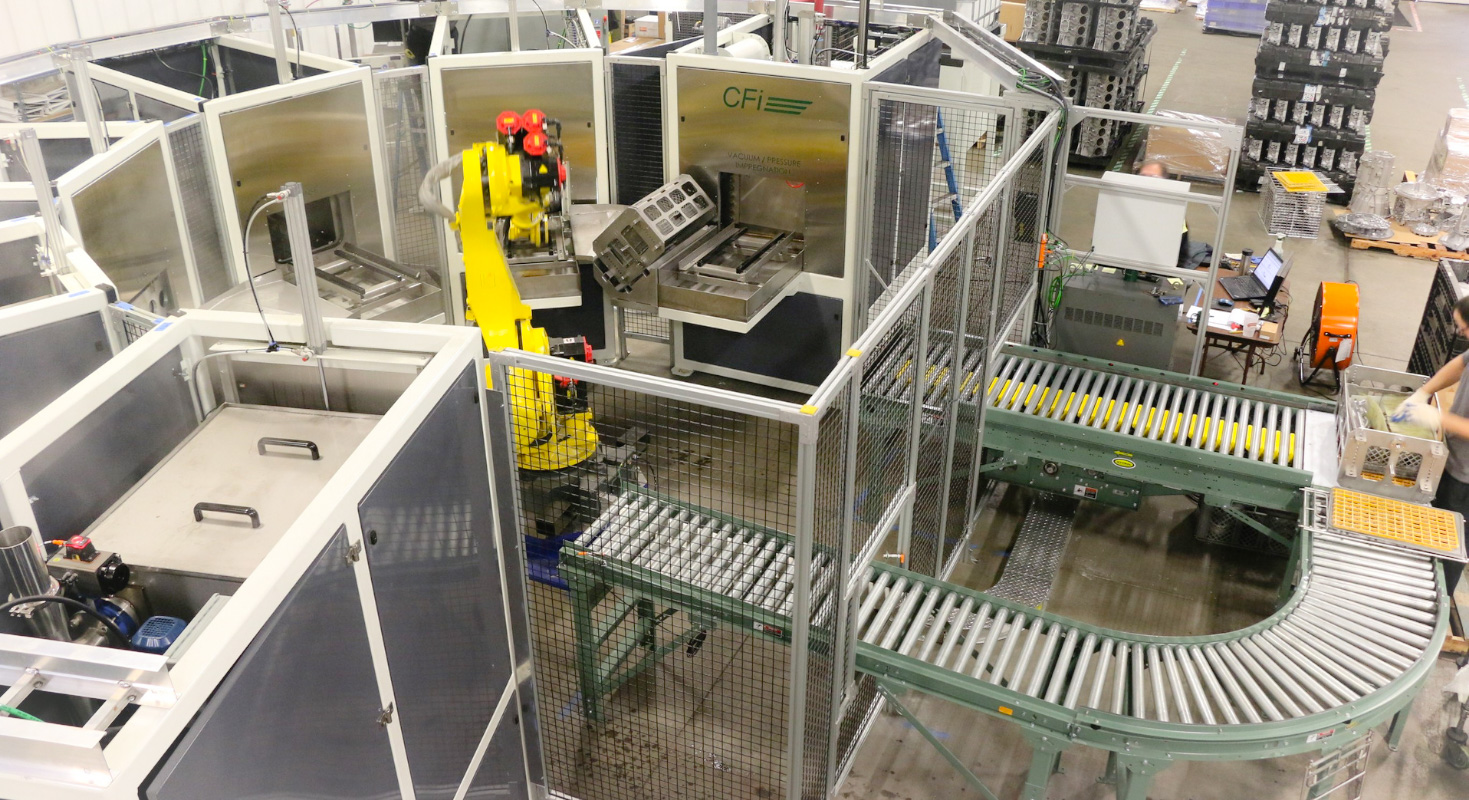
Figure 2: The CFi system uses Dry Vacuum and Pressure (DVP) and recoverable sealants to be the most effective impregnation process in the world. Its use of automation means it seals porosity at a higher rate, in a shorter cycle time and with minimal labor.
The CFi uses the patented Dry Vacuum and Pressure (DVP) process, and 95-1000A or 95-1000AA recoverable sealant. Demonstrated to be the most effective vacuum impregnation process in the world, the CFi with the DVP process incorporates a fast, deep vacuum to evacuate the air from the porosity. Then after moving sealant to the part, the system applies high pressure to allow the sealant to thoroughly penetrate deep in the casting walls.
The castings are in custom designed fixtures to maximize the amount of castings per cycle, flush sealant from blind holes, and protect critical machined features. The fixtures are delivered to the CFi via a conveyor; the CFI takes over and automatically moves the fixtures through the process. This allows the castings to be processed within the fixture without damage (Figure 3).
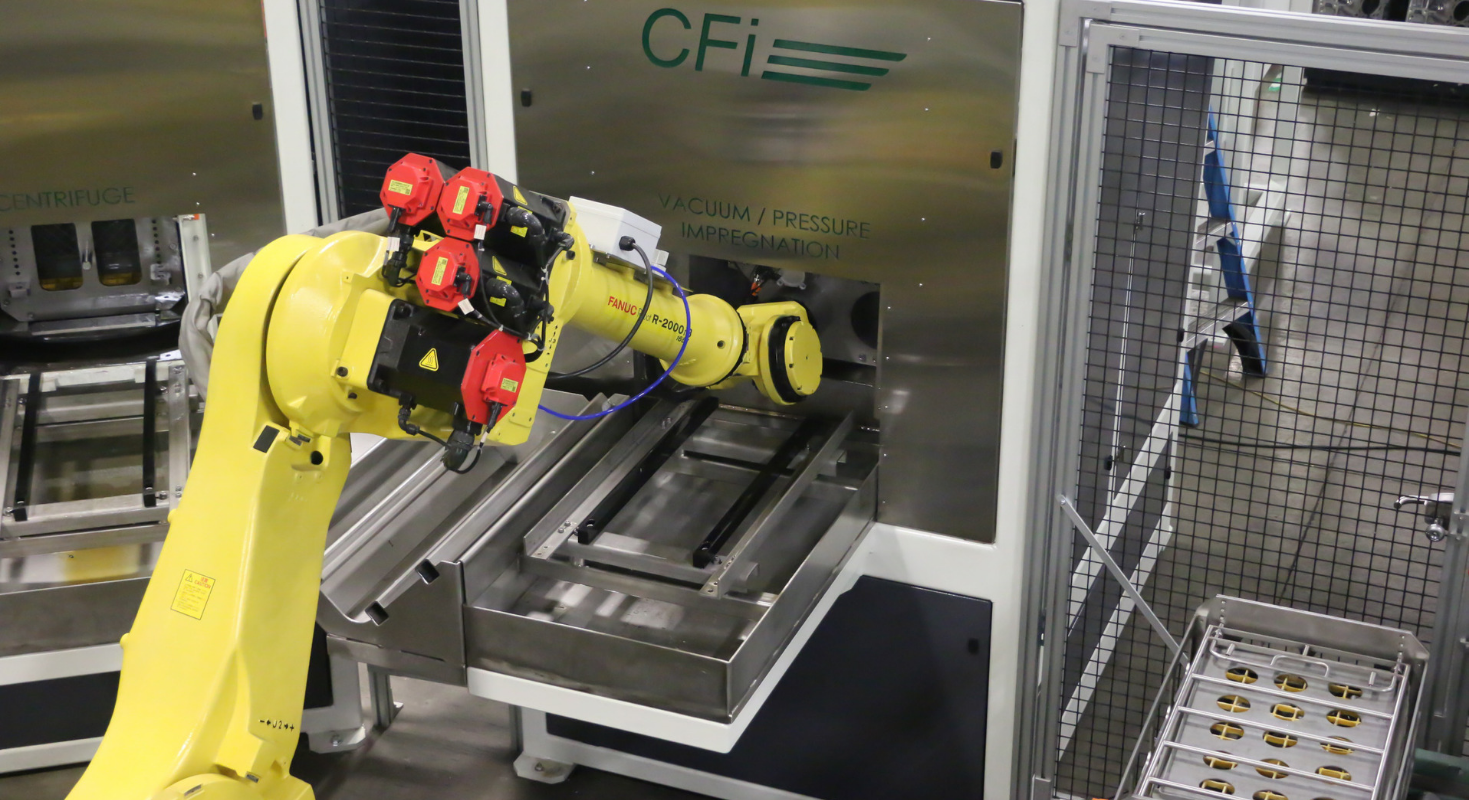
Figure 3: The fixtures are delivered to the CFi via a conveyor; the CFI takes over and automatically moves the fixtures through the process. This allows the castings to be processed within the fixture without damage.
The CFi system is fully self-contained for quality. The robot and PLC would work together to ensure that fixtures do not leave the system until meeting all of the pre-determined conditions. If acceptable, then the robot will move the fixtures from the CFi to the next process.
The customer relayed to the Godfrey & Wing engineering team where they wanted to place the system on the floor. With this knowledge, the engineering team designed the layout and maintenance access to be integrated with the existing manufacturing flow.
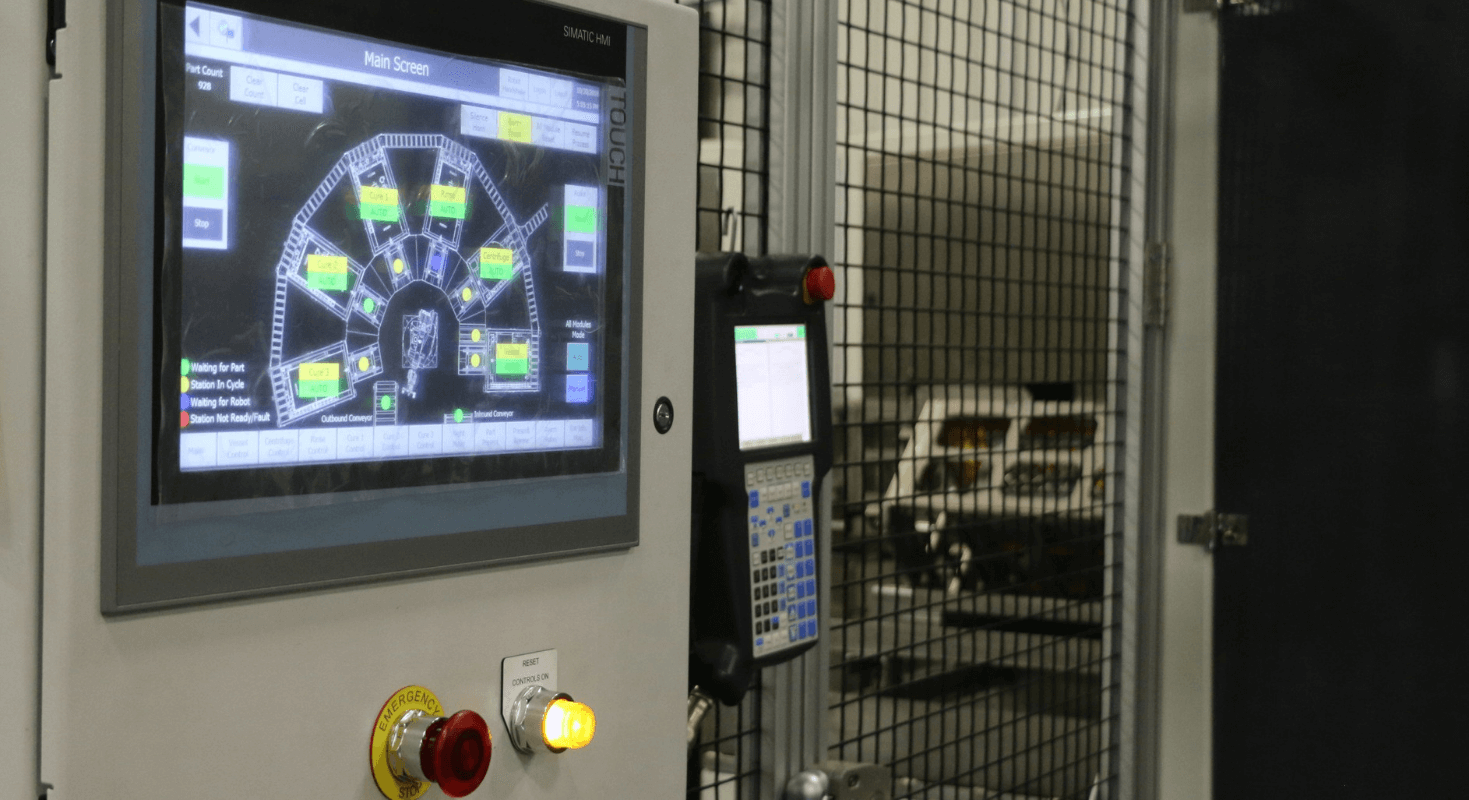
The data clearly shows that the Godfrey & Wing CFi system achieved all of the customer’s goals. The results included:
This company found great value in searching for a new way to meet their customer’s ever-changing quality and performance demands. Godfrey & Wing’s automated CFi system is the only system that can meet the stringent demands. The CFi demonstrates that manufacturers can take control of the porosity sealing step and integrate vacuum impregnation into their production flow, to ensure product quality and productivity.