YOUR CART
- No products in the cart.
Subtotal:
$0.00
The goal of a foundry is to produce high quality die castings that meet or exceed the customer’s specifications at a competitive cost. In some die casting cases, those specifications require that the part must hold pressurized fluid or gasses.
Companies use vacuum impregnation when the part must hold fluids or gasses under pressure. Vacuum impregnation is a proven process that seals internal porosity without impacting any other features of the manufactured part. A common question asked about vacuum impregnation is “Should vacuum impregnation be done before or after die casting machining?”
While some refer to porosity as a defect, it occurs naturally and is found in most materials, both man-made and in nature. In metal castings, porosity is typically considered any void found in the casting. Some metal casting porosity can affect the part’s structural integrity, creating a failure point. More commonly, porosity prevents the part from being pressure tight. This will impact performance if the part is designed to hold gases or fluids.
Casting porosity can be caused by gas formation or solidification while the metal is being moved from a liquid state to a solid state. This porosity can range in size, from sub-micron to voids greater than 10 mm, depending on the casting.
In general, there are three casting porosity classifications:
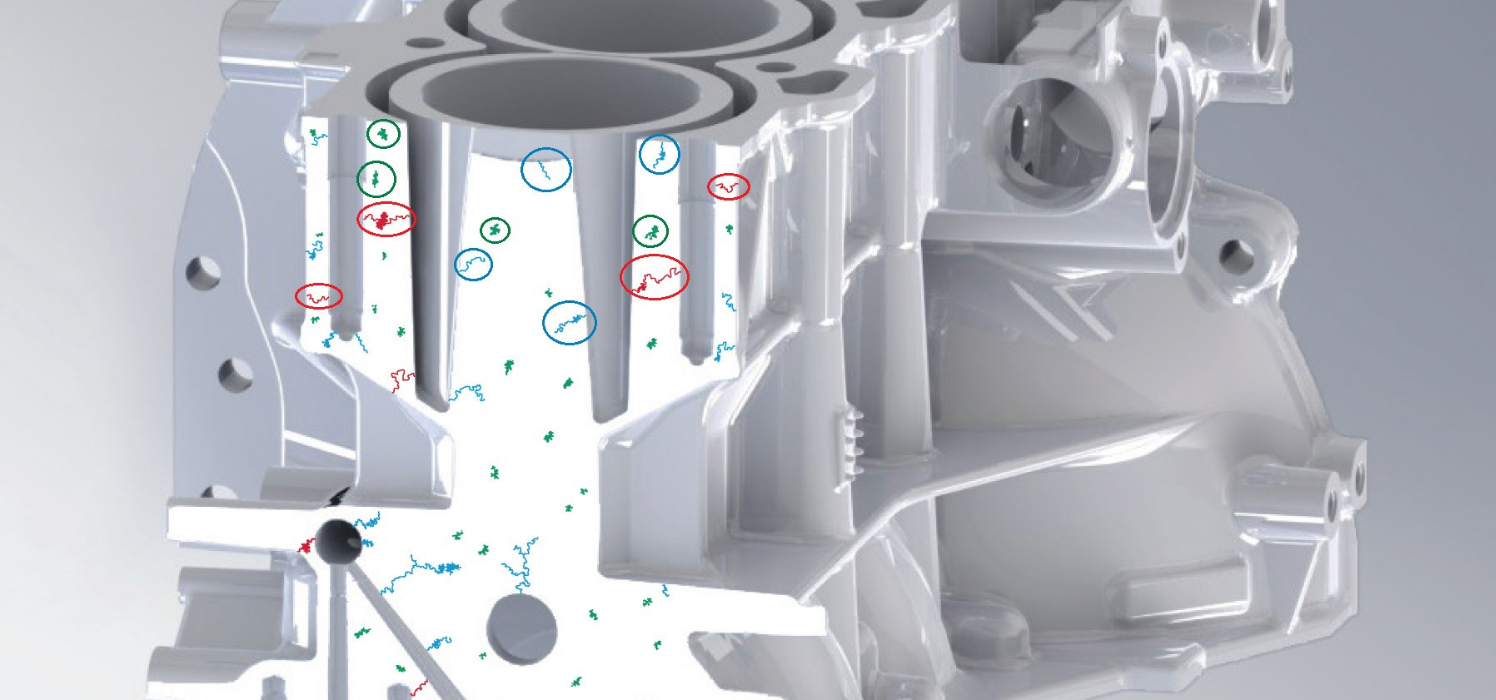
Figure 1: There are three types of casting porosity: blind porosity, through porosity, and fully enclosed porosity.
Blind and through porosity cause immediate casting problems. Blind porosity can cause internal corrosion; while through porosity will create a leak path and allow gas and liquids to seep through the casting (Figure 2). In addition, blind porosity can cause defects on the part surface when secondary treatments, like powder coating or anodizing, are done. This is because solutions used to clean the castings prior to the treatment will leech out of the voids after the surface finish process.
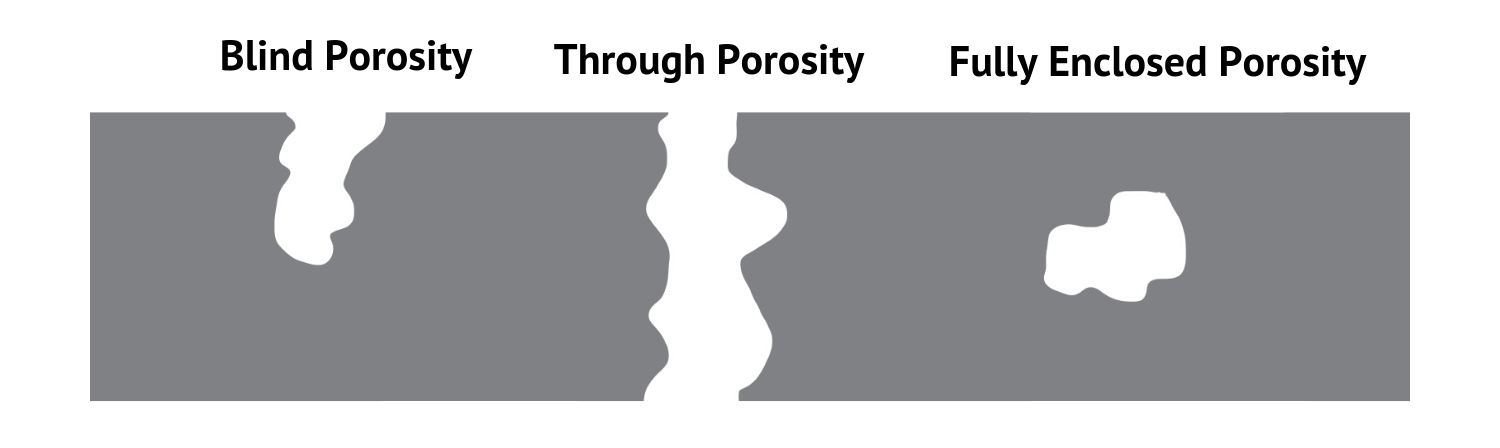
Figure 2: Blind porosity can cause internal corrosion; while through porosity will create a leak path and allow gas and liquids to seep through the casting.
When a machine tool cuts into the surface or “skin” of a casting, it can expose or open porosity (Figure 3). The porosity may be either blind porosity or existing blind and enclosed porosity may be opened and become through porosity.
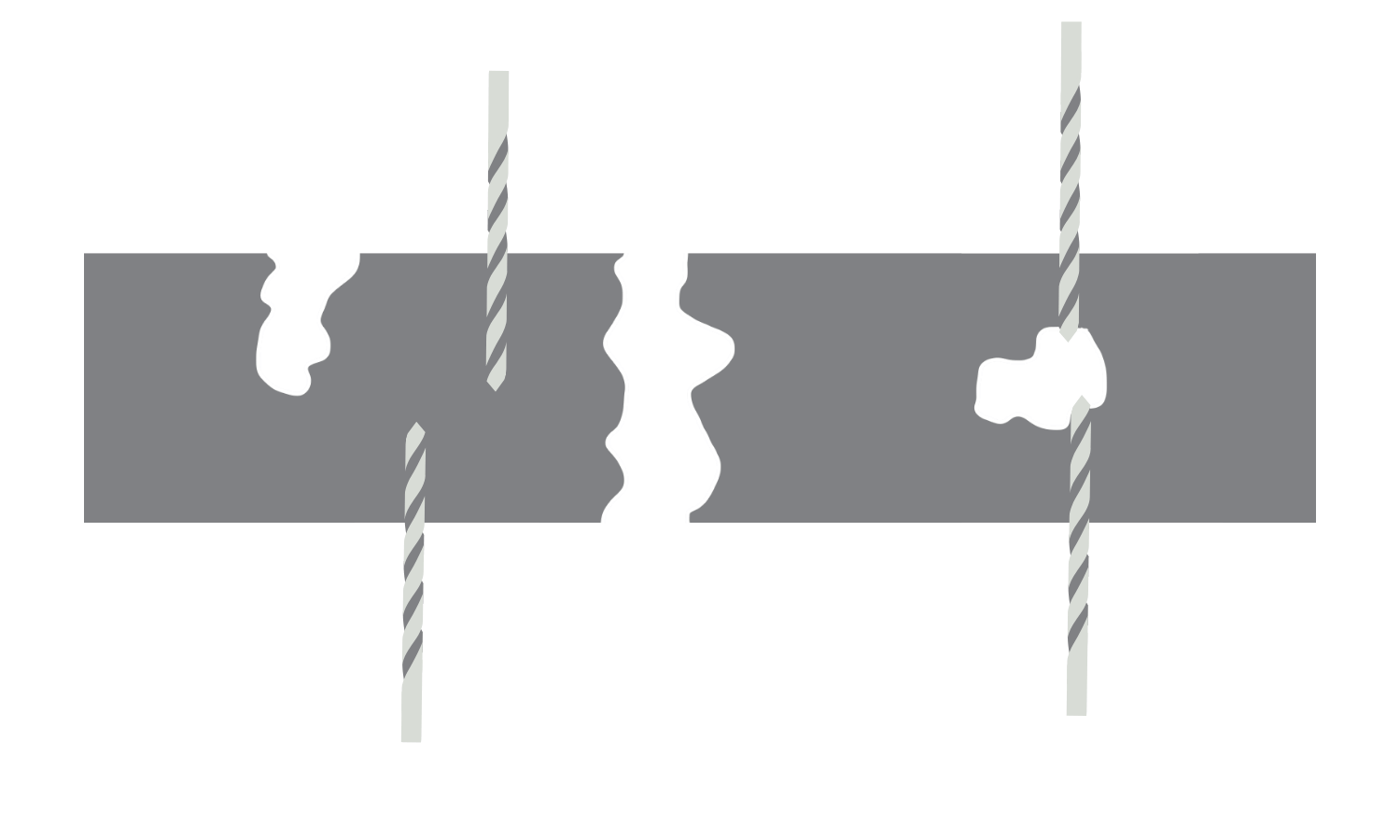
Figure 3: When a machine tool cuts into the surface or “skin” of a casting, it can expose or open porosity.
The new inter-connected porosity (highlighted in green) will create a leak path (Figure 4). The leak path will cause fluids and gases to leak from the casting, causing it to be non-conforming, and in many cases unusable. Unfortunately, this occurs precisely at the wrong time, since the non-conforming part has already been cast, cubed (pre-machined), washed, tested, shipped, fully machined, washed and tested again. All the value has been added to the non-conforming part. In the worst-case scenario if the problem occurs frequently, the manufacturer may have maxed-out their production and may be unable to replace the non-conforming castings with functional parts, delaying shipments and significantly increasing costs.
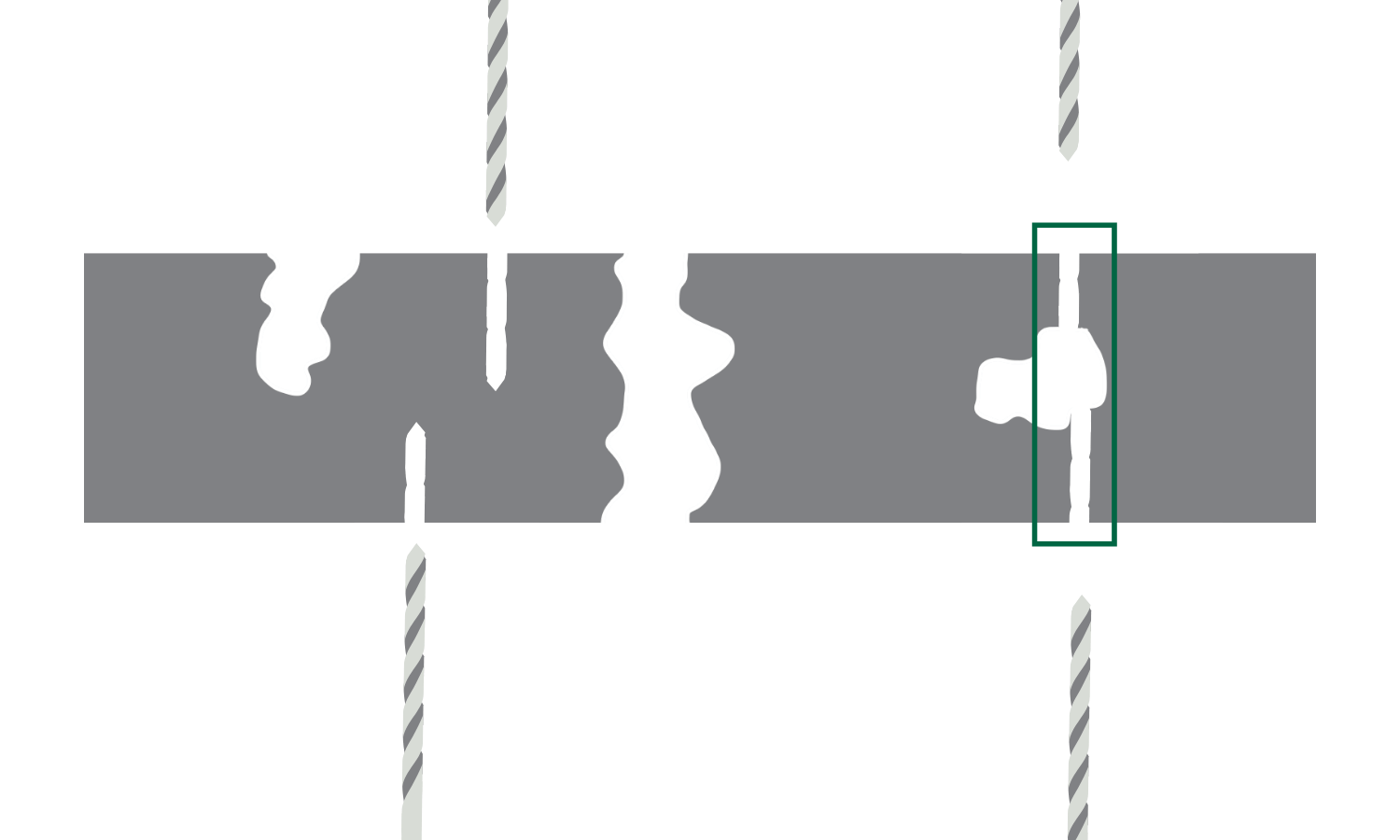
Figure 4: The new inter-connected porosity (highlighted in green) will create a leak path. This leak path will cause fluids and gases to leak from the casting, causing it to be non-conforming, and in many cases unusable.
Impregnating 100% of castings after final machining is the best way to insure leak free castings at build. If prior to assembly, a final leak test of individual parts is incorporated into production, leak testing fully machined casting and impregnating only the non-conforming parts (often referred to as fix-on-fail) is an excellent alternative.
Another approach is that manufacturers have chosen to increase the machining content at the pre-machine stage (cubing) thus maximizing the exposure of blind and through porosity prior to the parts reaching the final production line. After pre-machining 100% of all parts are impregnated and tested. Only conforming parts are sent through to production when the parts are fully machined in production only a reduced amount of material is removed. Since the impregnation at pre-machining has already sealed both the blind and through porosity, the opportunity to open an interconnected leak path is substantially reduced. In some cases, any non-conforming parts that make it to final test can be easily impregnated without disrupting production on a “fix-on-fail” basis.
Because machining may potentially uncover additional casting porosity, vacuum impregnation should be done after machining. Performing vacuum impregnation after machining is the only way to seal all leak paths. However, some castings may be pre-machined or cubed. Impregnating 100% of production castings after cubing will seal the exposed porosity. In this case, impregnation is still very effective in reducing non-conforming parts at final assembly.
The commercial turf care market is expected to reach USD 38.2 billion by 2025. The growing trend toward investing more time in one’s home leads to a higher interest in outdoor & gardening-related activities.
In an effort to meet this growing demand, a turf care engine manufacturer developed a plan to expand its engine manufacturing facility. This facility manufactures aluminum crank cases and cylinder heads.
The engine, crank case, and cylinder heads are die casting aluminum castings, and therefore have porosity. Interconnected pores will cause a leak path causing fluids to seep from the crank cases and cylinder heads. These parts need to be pressure tight in order to function properly. The manufacturer seals the leak paths through vacuum impregnation.
This company long used an in-house wet vacuum batch impregnation system to process the parts. The batch system aggregated parts from the company’s assembly lines and processed them in large batches. After processing, the parts were dispersed to the next manufacturing step. After much consideration, the company determined the system was not viable for their expansion plans due to:
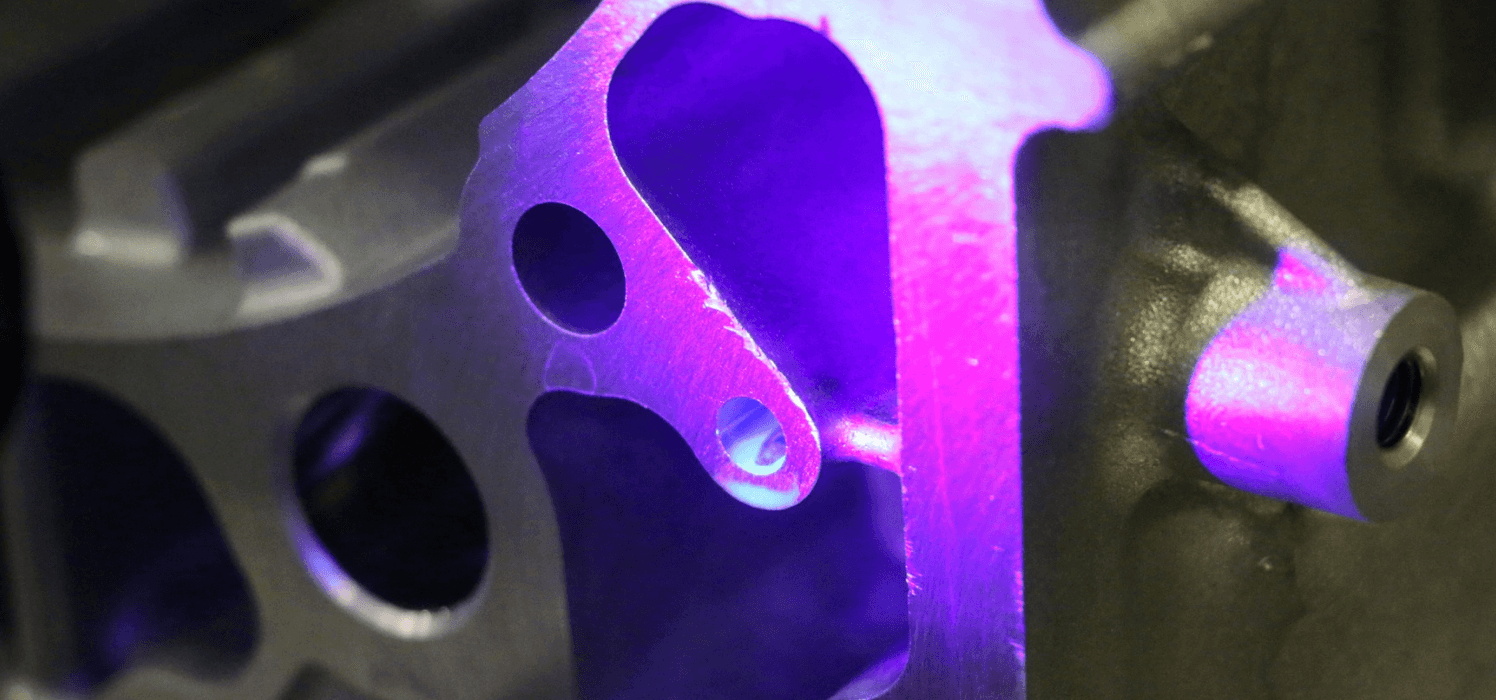
Figure 1: Cured (solid) sealant remained in through and blind tapped holes after impregnation causing significant quality issues.
Also, the batch system was a labor-intensive system, requiring operators to move large heavy baskets between stations while on an elevated work platform. Not only did this present a throughput issue, more troublesome was the lack of operator protection from moving pieces of machinery. This was not a safe or viable method to keep up with the growing production.
These issues lead to increased costs, reduced quality and significant safety concerns. The company determined that they needed a more effective, lean and safe porosity sealing solution.
The customer contacted Godfrey & Wing to evaluate their manufacturing dilemma. It was determined that the implementation of a modern, front-loading, in-house vacuum impregnation system would alleviate these challenges. After careful consideration, Godfrey & Wing proposed its Advanced Powertrain impregnation (APi) (Figure 2) system with recoverable sealant for installation at the customer’s facility.
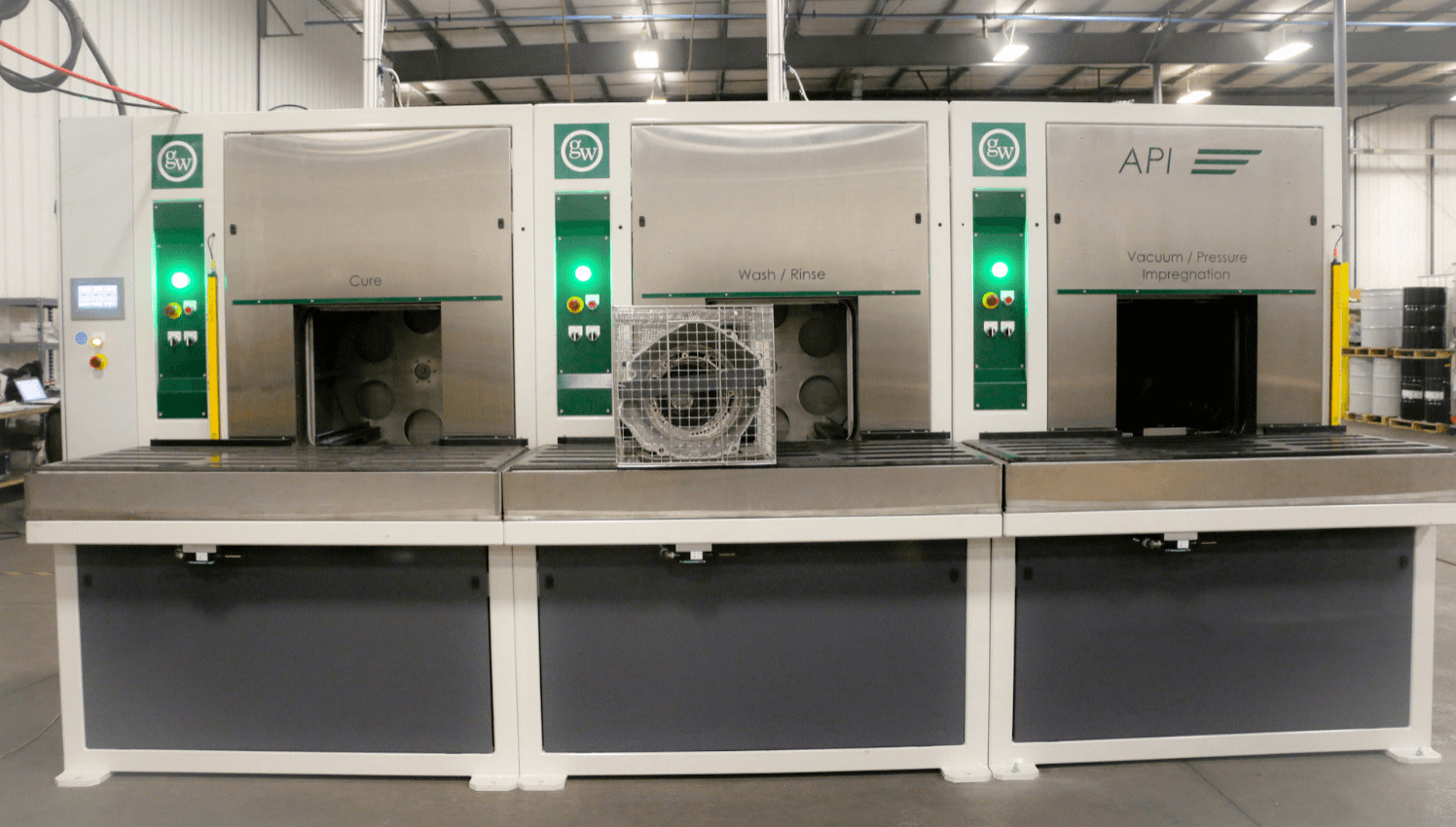
Figure 2: The Advanced Powertrain impregnation (APi ) system uses the Dry Vacuum and Pressure (DVP) process to push the recoverable sealant deep into the micro porosity.
The APi uses the Dry Vacuum and Pressure (DVP) process, and Godfrey & Wing’s 95-1000AA recoverable sealant. The DVP process pushes the sealant deep into the micro porosity in order to improve sealing effectiveness. The 95-1000AA recoverable sealant is easy to use and remains stable and pure.
The proposed APi solution would deliver multiple benefits to the customer:
Subsequently, the customer attended a demonstration of a Godfrey & Wing impregnation system at the company’s headquarters in Aurora, OH.
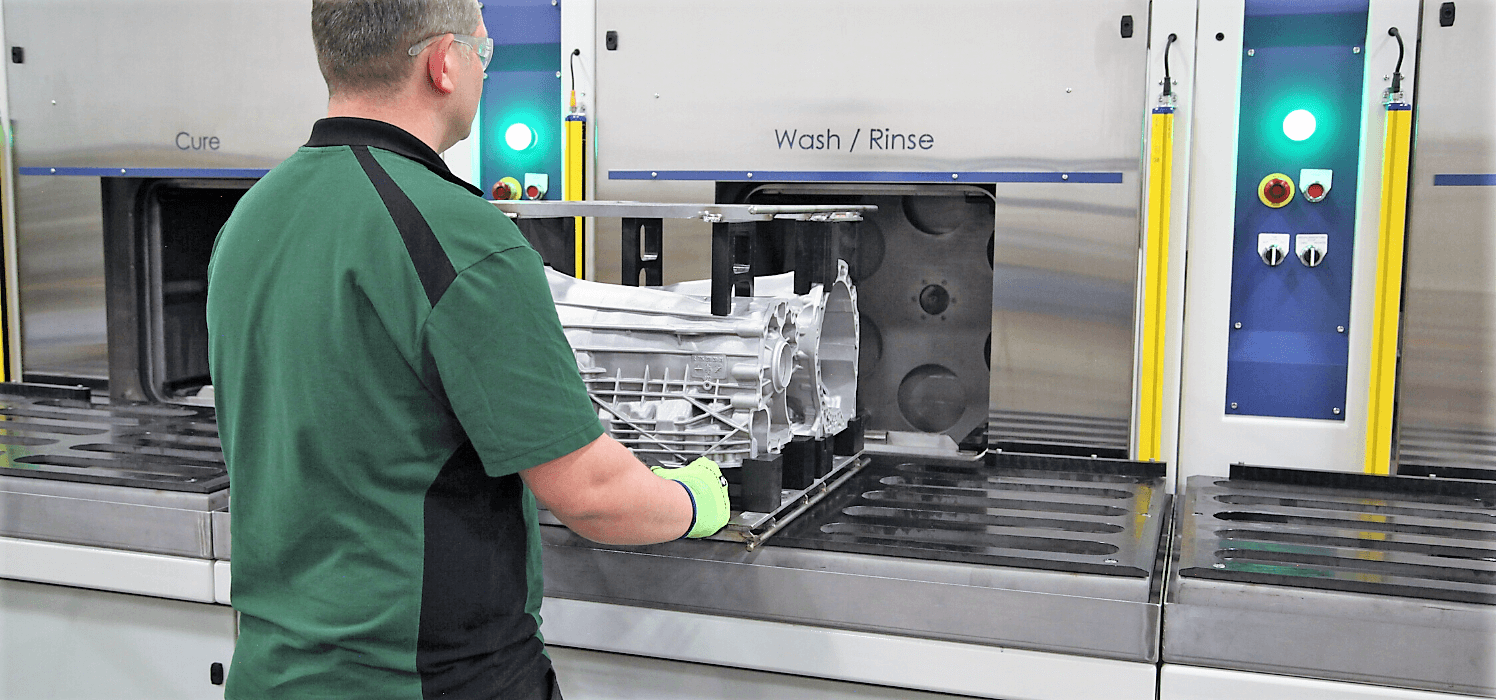
This demonstration gave the customer an opportunity to process parts themselves on Godfrey & Wing’s technology. The customer found the system simple and safe to use compared to their current batch system. The part fixtures and platform allows the operator to easily move a part from station to station. Each station starts with the flip of a switch (Figure 3). The man-machine interface keeps the operator safe at all times. Light curtains, insulated panels, and ventless exhaust ensure ongoing operator safety. (Figure 4)
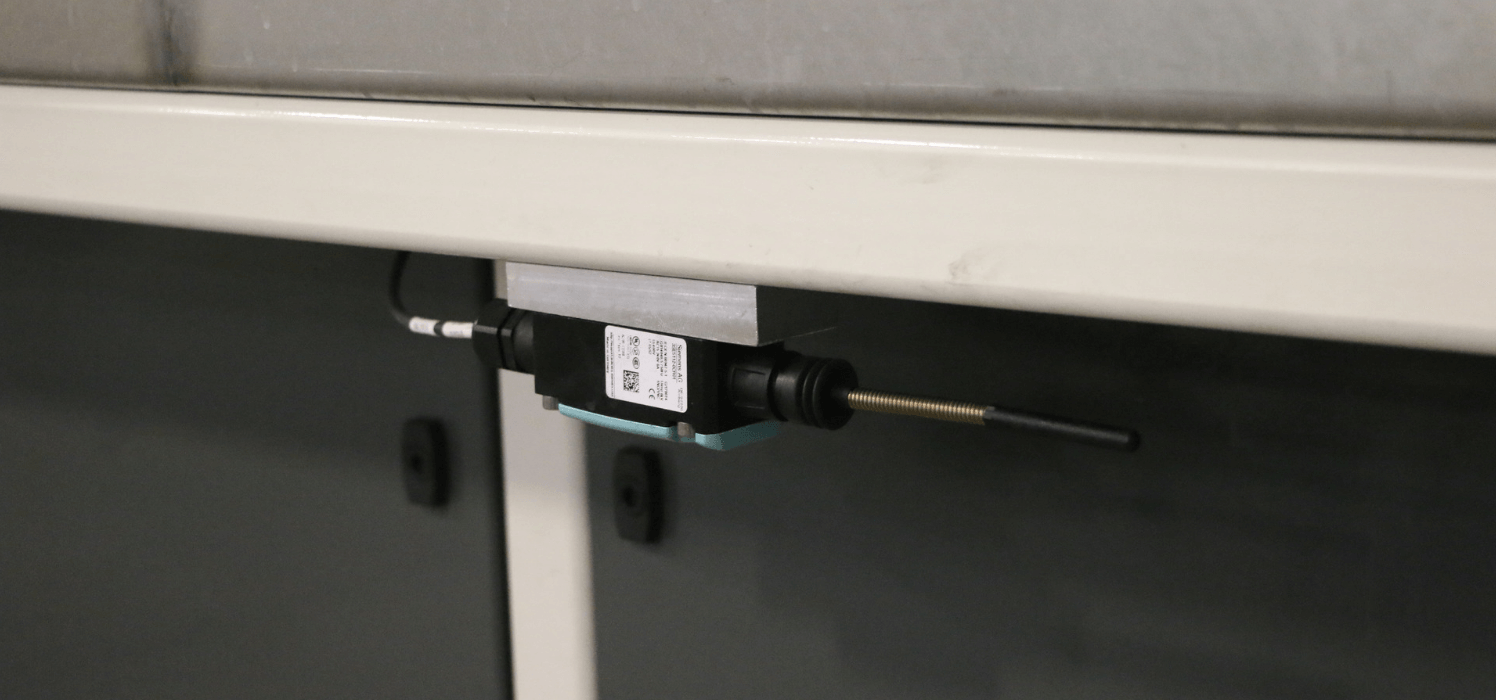
Figure 3: The customer found the APi system simple and easy to use compared to their current batch system. Each station starts with the flip of a switch.
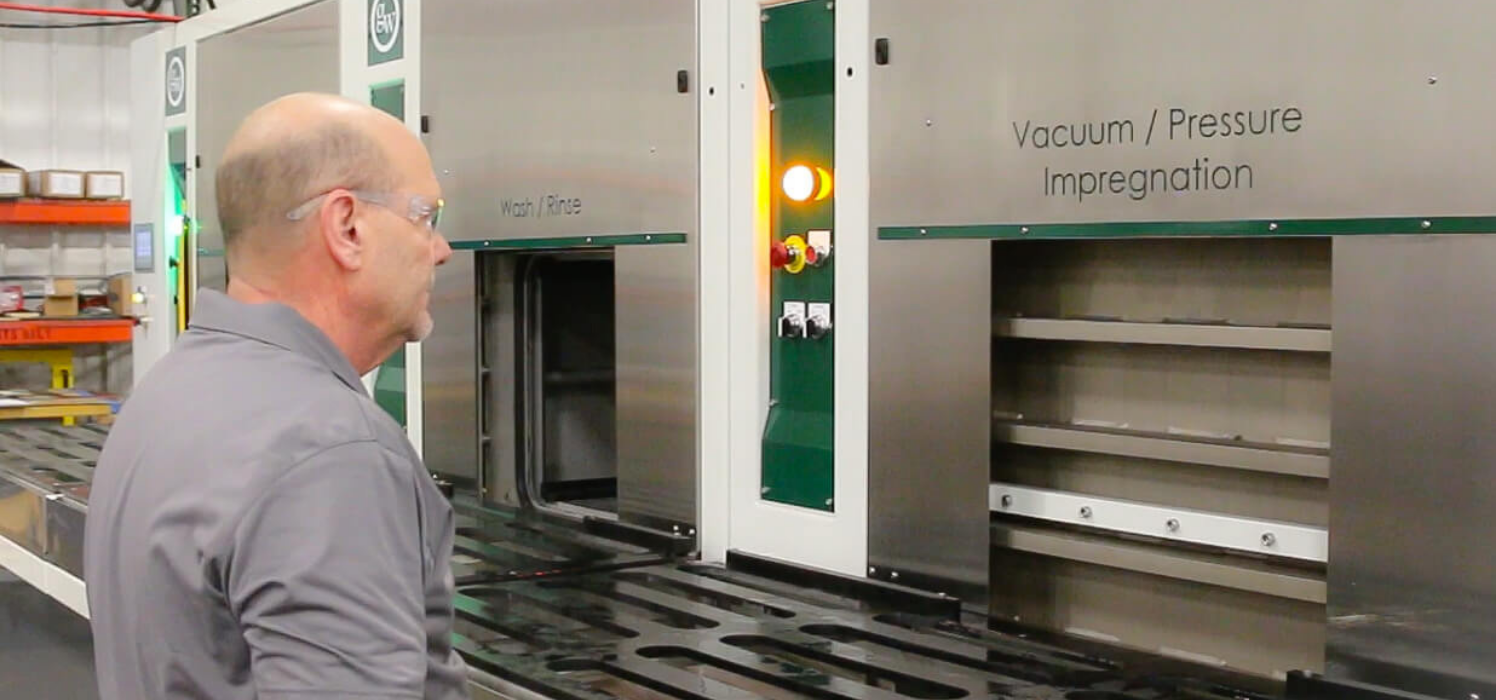
Figure 4: The man-machine interface keeps the operator safe at all times.
The customer integrated the APi (Figure 5) into production quickly and efficiently with no infrastructure changes. The APi is now making a significant impact by answering the following challenges:
The cost savings realized allows the customer to have a CapEx recovery of less than 18 months.
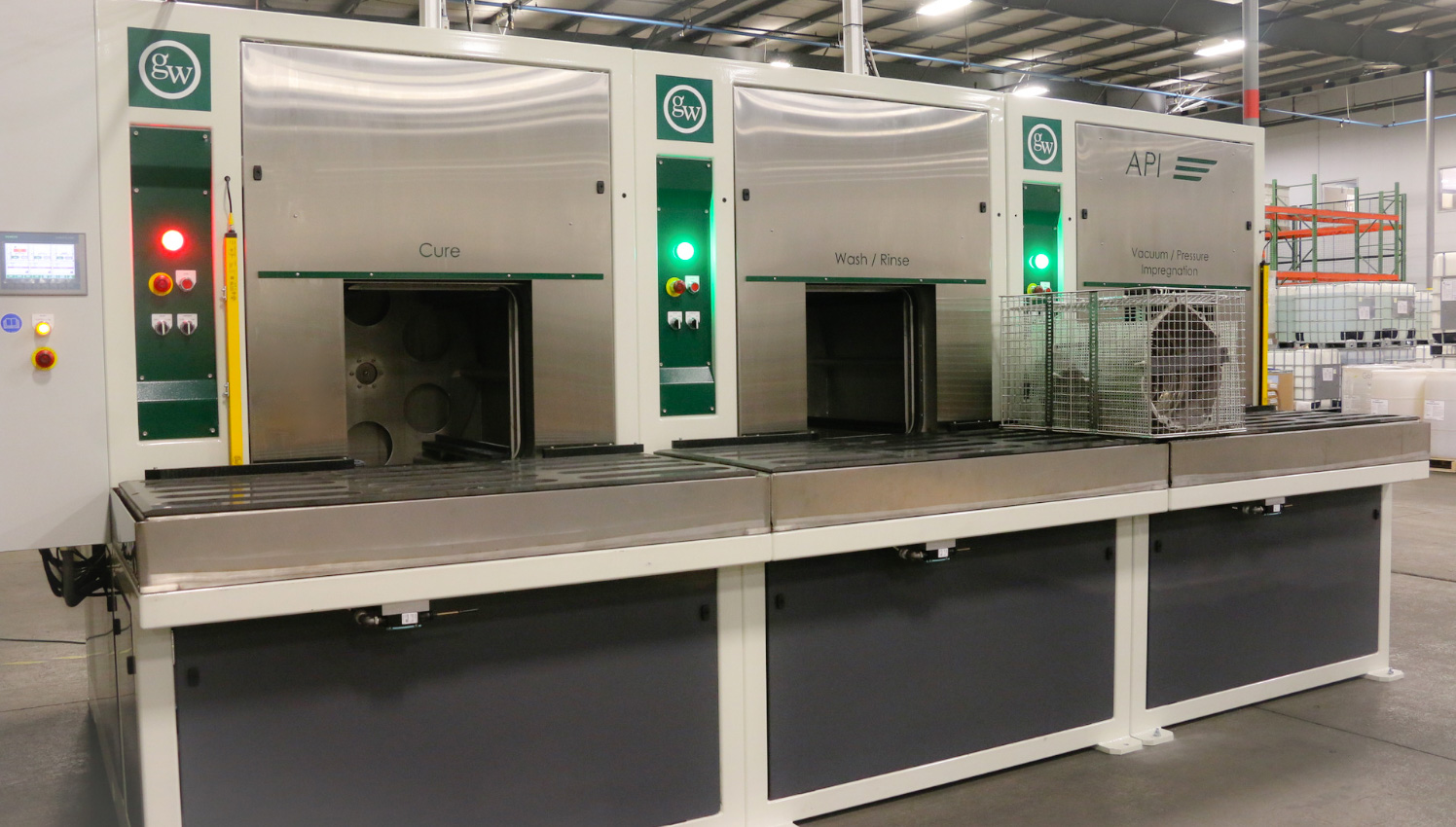
Figure 5: The APi was integrated into production quickly and efficiently with no infrastructure changes. The company improved casting recovery and eliminated unforeseen costs with an easy to use system.
As companies continue their search for ways to meet their customer’s growing needs, it will be necessary to challenge old paradigms. This company found great value in doing so by implementing a modern and lean vacuum impregnation system. The company improved casting recovery, and eliminated unforeseen costs with an easy to use system.
Godfrey & Wing recently published in the Die Casting Engineer November issue titled: “Automated Vacuum Impregnation Enables Transmission Production“
The beginning of the 21st century was a turning point for vacuum impregnation equipment safety, and in less than two decades there have been significant improvements in that technology, a process that had been essentially unchanged for 70 years.
Developed in the 1950s, the process was adopted quickly in various industries, particularly in automotive and aerospace sectors, and it became the preferred method to seal die casting leak paths to prevent leakage of fluid or gases under pressure.
Until the mid-1980s, most automotive OEMs handled the vacuum impregnation process in-house. They used batch systems, in which workers would load multiple parts into large baskets for processing. To increase productivity the companies would increase the size of the process equipment, but this was accompanied by a reduction in finished product quality and process safety.
As other manufacturing operations (e.g., machining, pressure testing, and assembly) had been modernized, vacuum impregnation remained stagnant. Other operations became more cellular, more automated, more ergonomically sound and safer for operators, and in general more efficient. Vacuum impregnation, however, remained a manual process with significant safety concerns.
Among the safety concerns were:
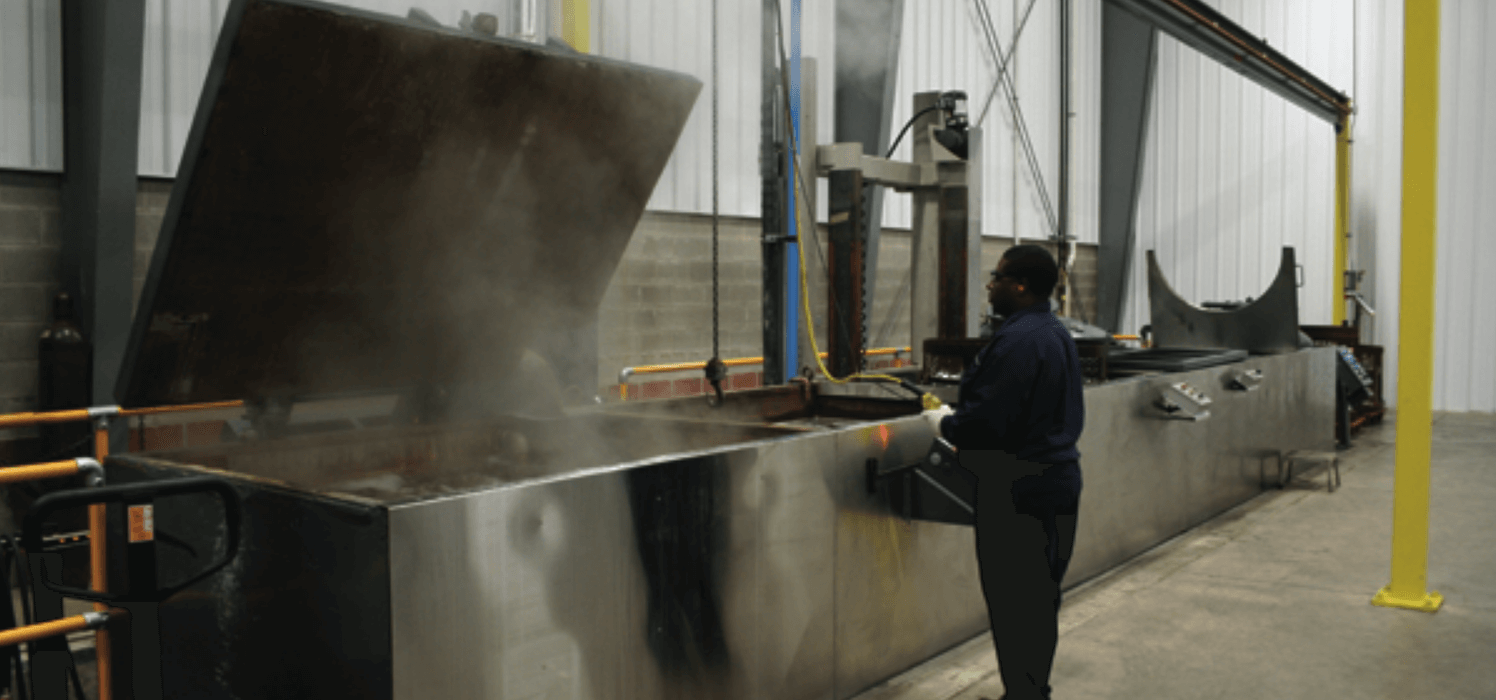
Open modules would jeopardize operator safety. For example, an operator could be splashed with sealant or fall into an open, 800-gallon container of 195°F water.
Open tanks would emit hot vapor with elevated Volatile Organic Compounds (VOC) levels, which could cause health problems.
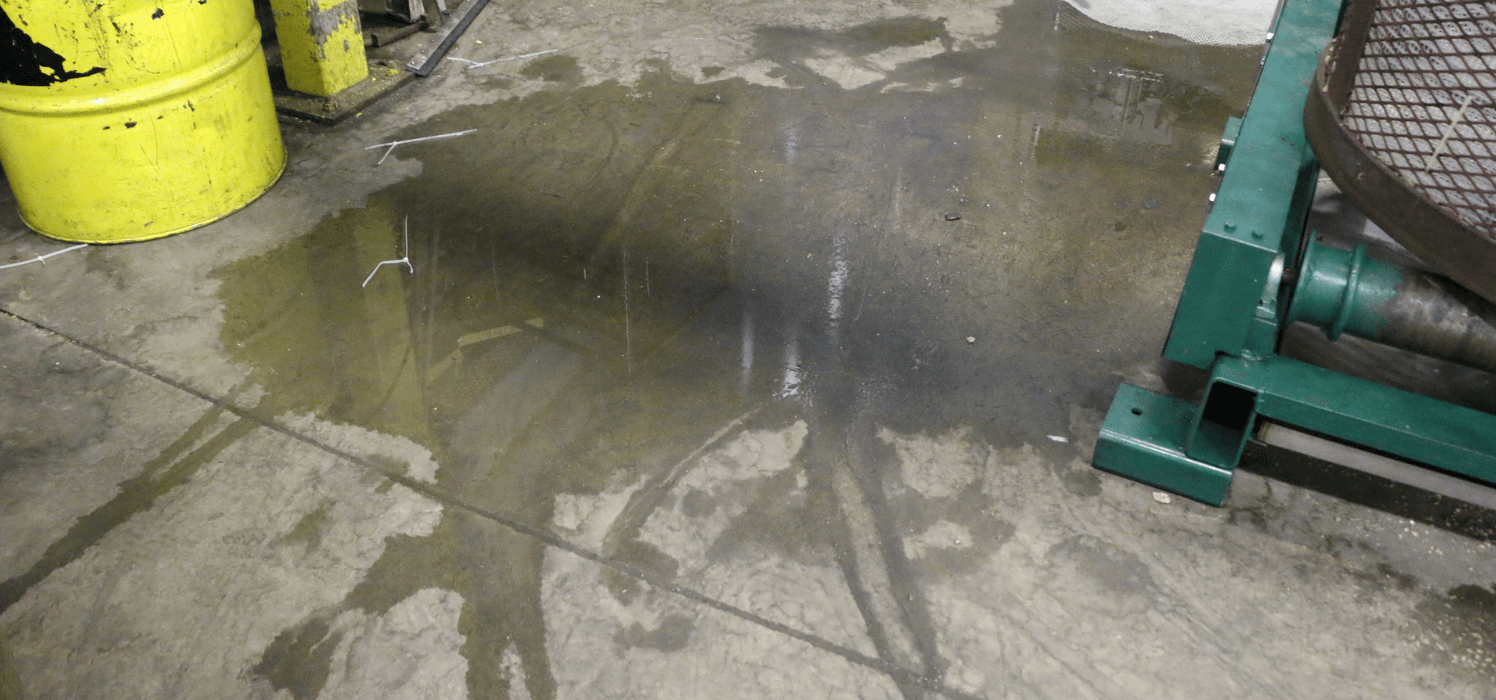
Since the modules are open; there was the risk that liquids will splash on the floor causing a slipping hazard.
System components like overhead hoist chains, actuating tank lids, locking rings and chain drives could cause injuries.
Operators needed to climb, descend, and stand on elevated platforms to load parts from the top. Operators had the risk of a potential fall and trip hazard.
Part baskets were bulky and heavy and moving them could create stress on the operator’s body or cause injury if mishandled.
In the early 2000s, many OEMs brought vacuum impregnation in-house, intending to meet the volume demand for lighter, aluminum parts that increased in volume following the introduction of the Corporate Average Fuel Economy (CAFE) standards, and subsequent pressure to produce more fuel-efficient vehicles.
Systems were modernized to meet the demands of the new manufacturing environment. Rather than large, top-loading batch systems new equipment was designed to be front-loading and to process just single pieces or a small number of castings.
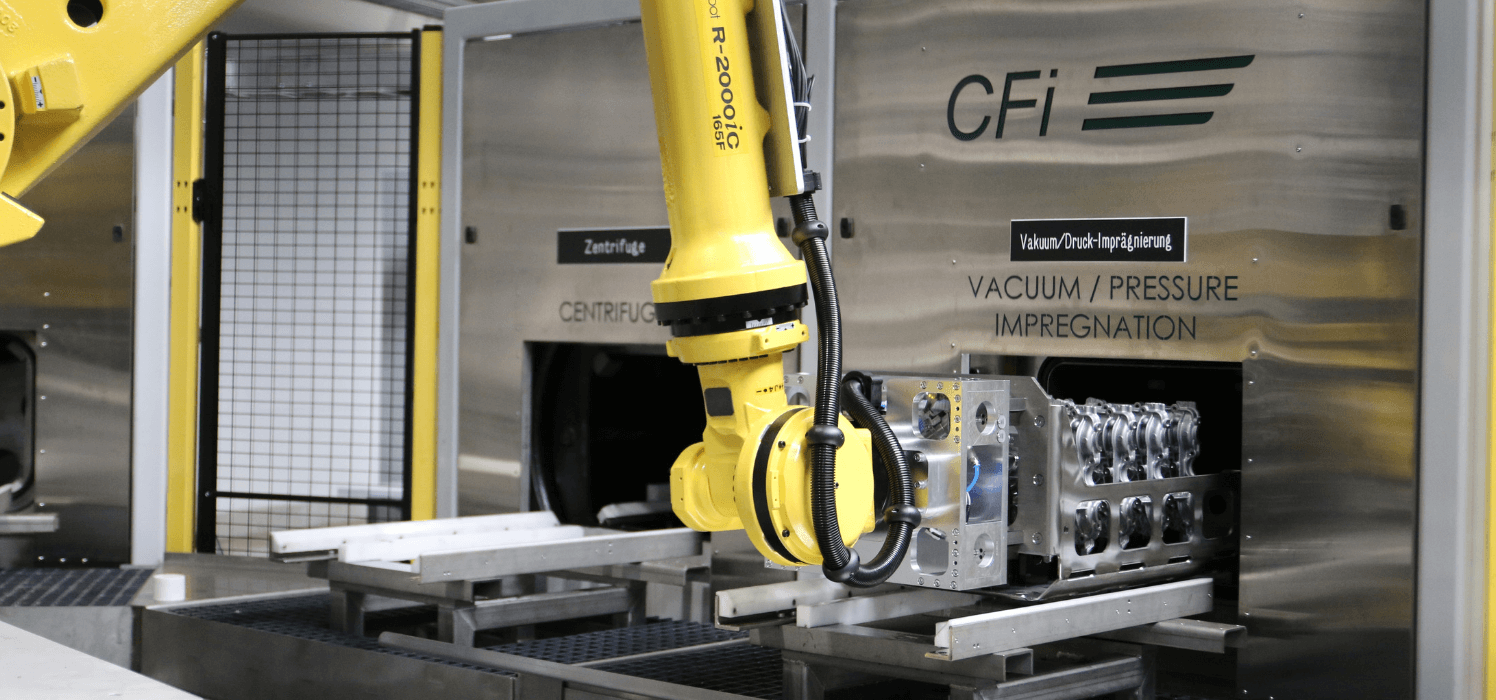
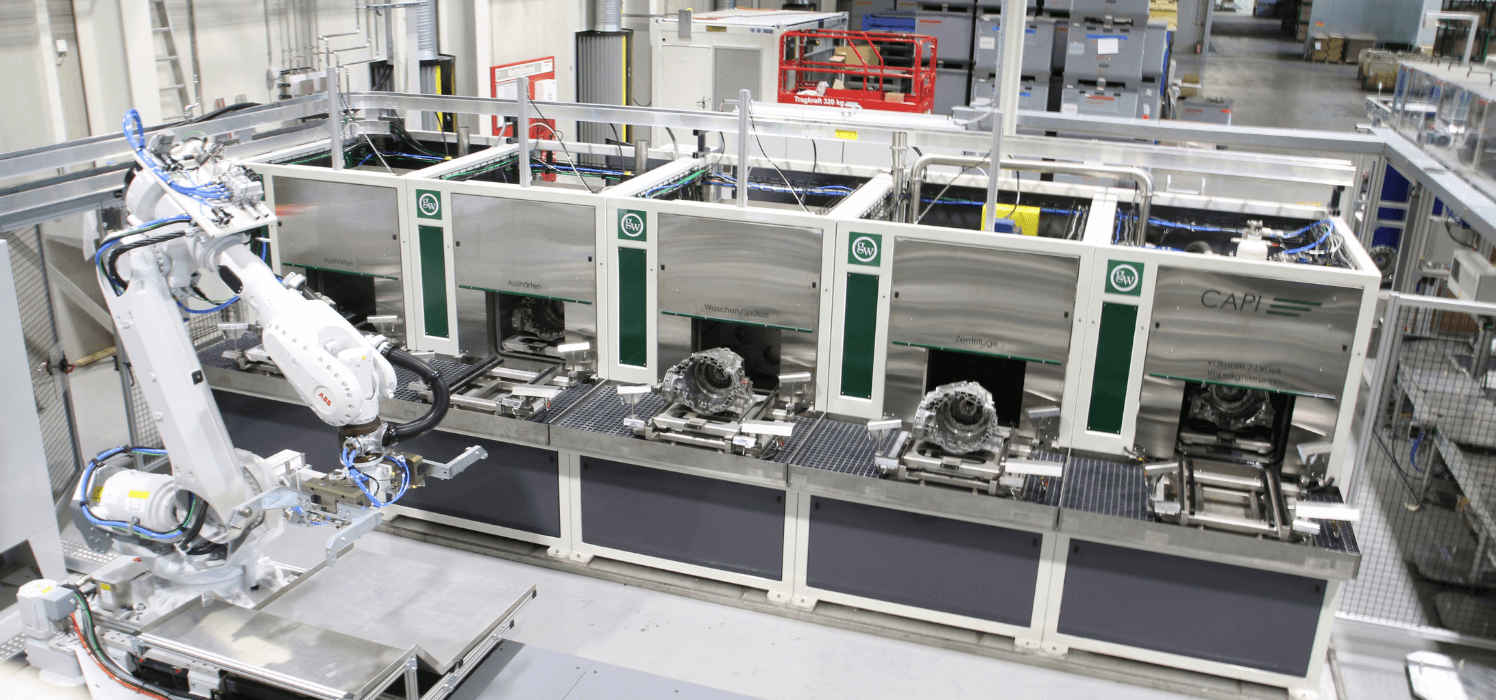
Incorporating robotic handling allowed parts to move continuously between each station. The robotics reduced cycle times and improved overall cycle time and production volumes. Operators work outside the robotic cells, interfacing with the system only as needed.
Automated impregnation technology then expanded to compact, manually operated systems, incorporating all the safety features of the fully automated robotic units. This allowed OEMs to bring vacuum impregnation in-house at a fraction of the cost. These new systems were smaller than batch systems and the cellular design enabled them to easily integrate with other production operations.
Now, the operators were safer than ever before as self-contained modules protected them from contact with sealant and hot fluids; mist eliminators collect water vapor in the exhaust and return it through a drain line for re-use and better ergonomics allow the operator to simply slide a lightweight fixture onto the platform for each module, eliminating the risk of injury.
As the 21st Century continues, companies continue to wrestle with challenging design standards, fewer resources and shorter cycle times. Those that thrive will do so by increasing productivity, quality, throughput and cost reduction.
The vacuum impregnation systems of the past are no longer competitive, and the most competitive newer systems are those that will continue to offer safety to the operators, with increasing production volumes and the continuing effectiveness at eliminating casting defects.
In an interview with Reuters this month, Pierre Labat, vice president of global automotive at Novelis, the world’s largest maker of rolled aluminum products, said that demand for aluminum by the automotive industry is projected to more than double over the next seven years.
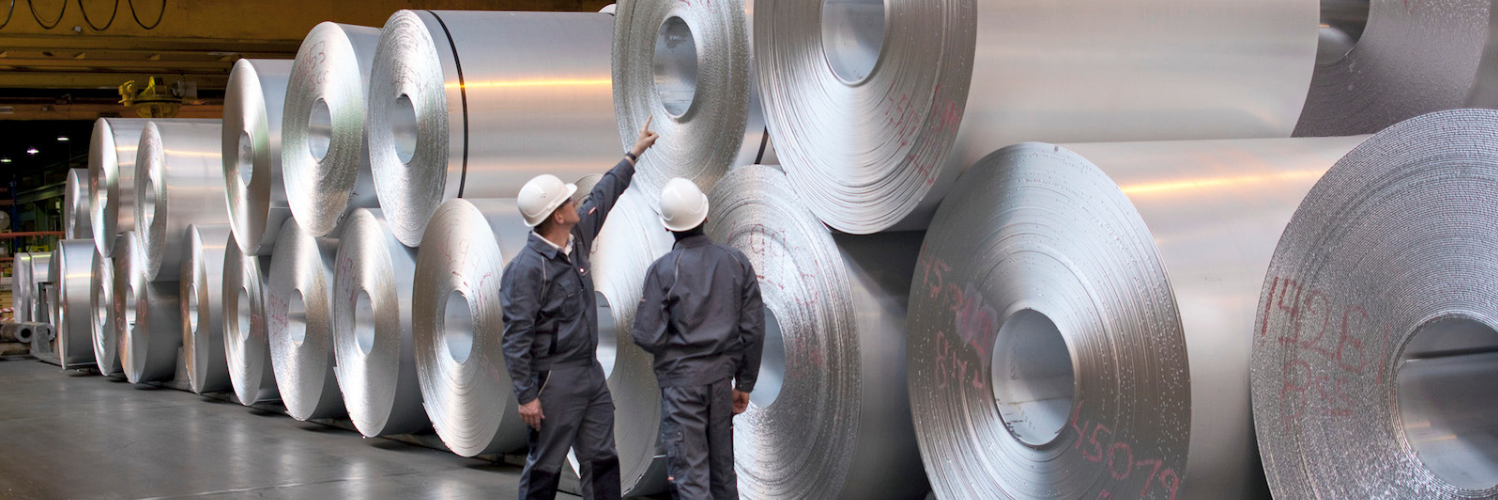
Labat said that aluminum is increasingly becoming the go-to metal to replace steel as automakers search for ways to reduce automobile weight.
“Typically what we see is an increase of aluminum percentage of the (automotive) body, which is why we’re projecting to grow from 1.5 million tonnes of aluminum demand this year to 3.5 million tonnes a year in 2025.” he explained. “We will continue to add new products in the years to come which make the value proposition of aluminum very compelling for strength and light weight.”
Labat continued by noting that, of the 1.5 million tonnes of aluminum autobody sheet demand this year, roughly a 10 percent, or about 150,000 tonnes, of it is produced in Asia. But, over the next few years, Asia’s demand is expected to rise significantly, ultimately rivaling Europe’s.
“China and the rest of Asia will almost grow from 10 percent to one third of global demand,” he predicted.
Though aluminum is expected to make significant inroads into the automotive industry for the foreseeable future, Labat concluded by saying that, at least for now, it will not completely replace steel.
“I think we are convinced that the world at least in the next 10 years will be multi-material architecture with aluminum tripling its size.” he opined. Read the entire article on Reuters
A previous blog What Size of Porosity Can Vacuum Impregnation Seal? discussed that porosity occurs naturally and that the purpose vacuum impregnation is to seal leak paths created by interconnected pores. This follow up blog discusses how to define what leak paths should be sealed.
It is important to understand that all materials permit leakage over time. In order for vacuum impregnation to effectively seal the leak and maximize the amount of acceptable parts, the manufacturer needs to define the part’s performance requirements, and develop measurable and repeatable standards around those needs. Defining these standards is done through leak rate testing. Vacuum impregnation is then used to seal specific leak paths to achieve the pre-defined leak rate.
The purpose of leak rate testing is to confirm that the manufacturing process is performing to specification and making acceptable parts. Finding defective parts early in the manufacturing process will reduce field failures, minimize unforeseen costs, and improve customer satisfaction (Image 1).
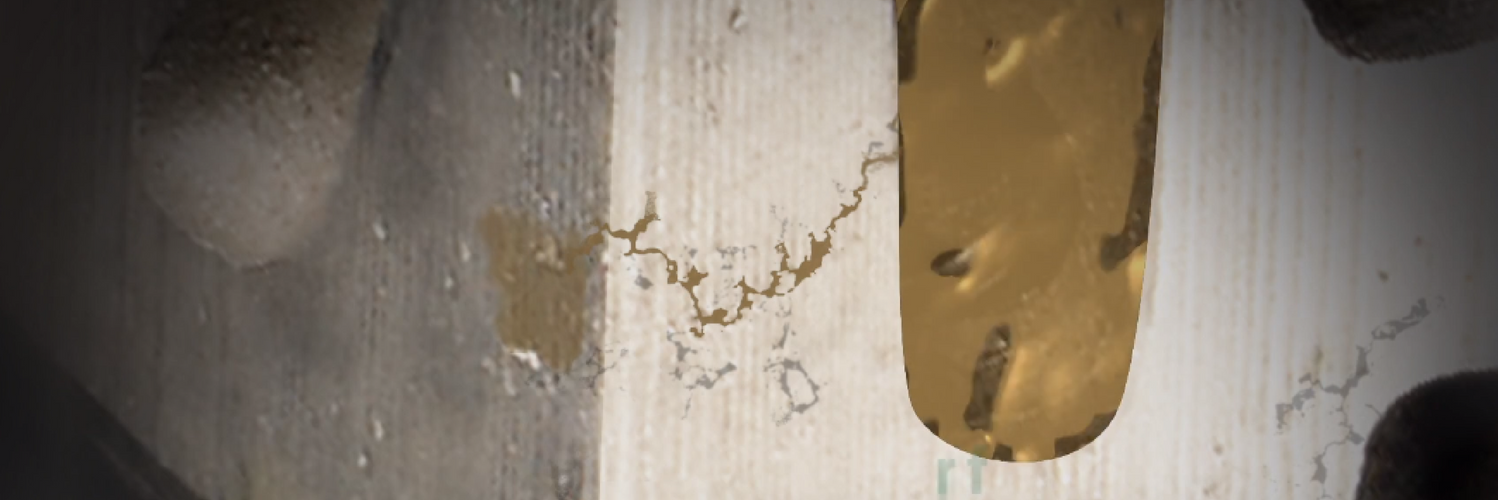
Image 1: Identifying defective parts with leak paths will reduce field failures, minimize unforeseen costs, and improve customer satisfaction.
Inspecting die castings requires quantitative, measurable values that define what is and isn’t acceptable given a part’s intended use. The fact is even materials cast with careful processes will allow some leakage, given enough time. Casting manufacturers develop and adhere to leak rate standards. Such standards define the maximum tolerable leakage for a part, typically specified by cc/min at a specified pressure and time duration.
Most automotive components operate with liquid. However, air is primarily used in leak rate testing for the following reasons:
To save time and resources, most manufacturers use the industry-recognized leak rates that are available for many products. Figure 1 shows typical ranges for existing parts.
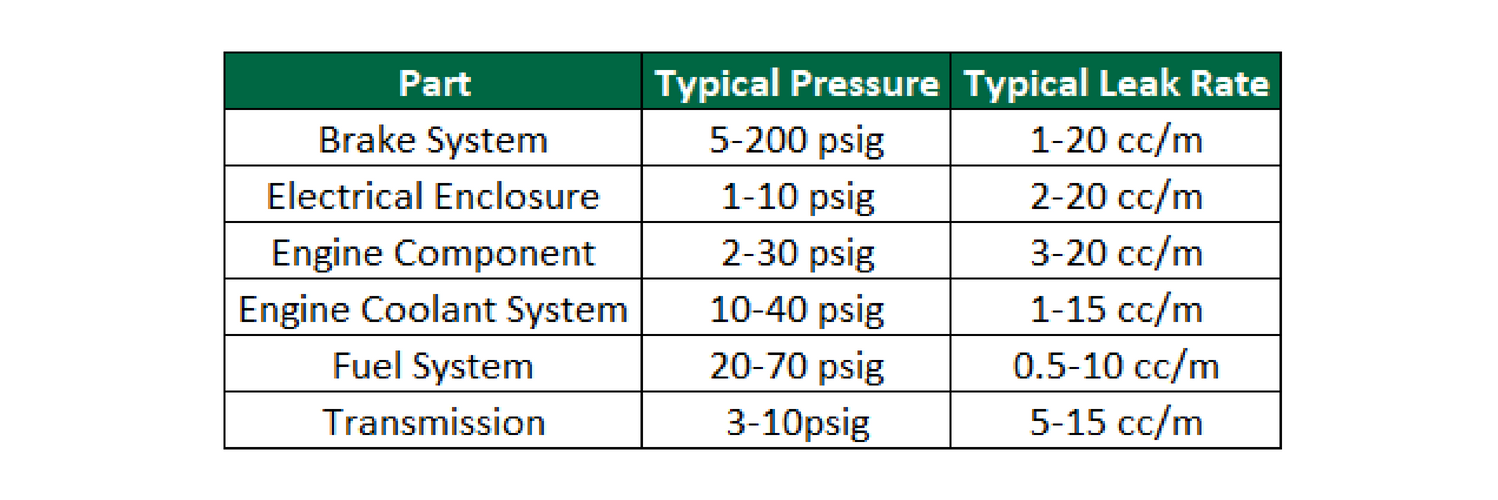
Figure 1
At times, industry recognized standards are not relevant for a part’s application. To establish new standards, those parts should be analyzed through the following steps:
It is important to note that even after a casting is sealed and passes the leak test criteria, the casting can still exhibit leaks under more aggressive test conditions. Recall that all materials will leak in varying degrees. If the test standards were established so that the casting would hold oil a 1 bar, it may still exhibit a leak if tested with air or helium at 1 bar. Gasses are thinner than liquids (e.x. sealant, oil, etc.) and will leak through a path that would not pass fluids.
Once a leak rate is defined, parts within that range can be sealed through vacuum impregnation. Parts outside of the leak rate parameters are typically scrapped.
Vacuum Impregnation is a process that seals metal casting porosity. Specifically, it seals the internal, interconnecting path of porosity, which breaches the casting wall (Image 2). The process is not a surface treatment, so it does not seal open pores found on the casting surface. Nor is it intended to seal casting structural defects such as cracks or open knit lines.
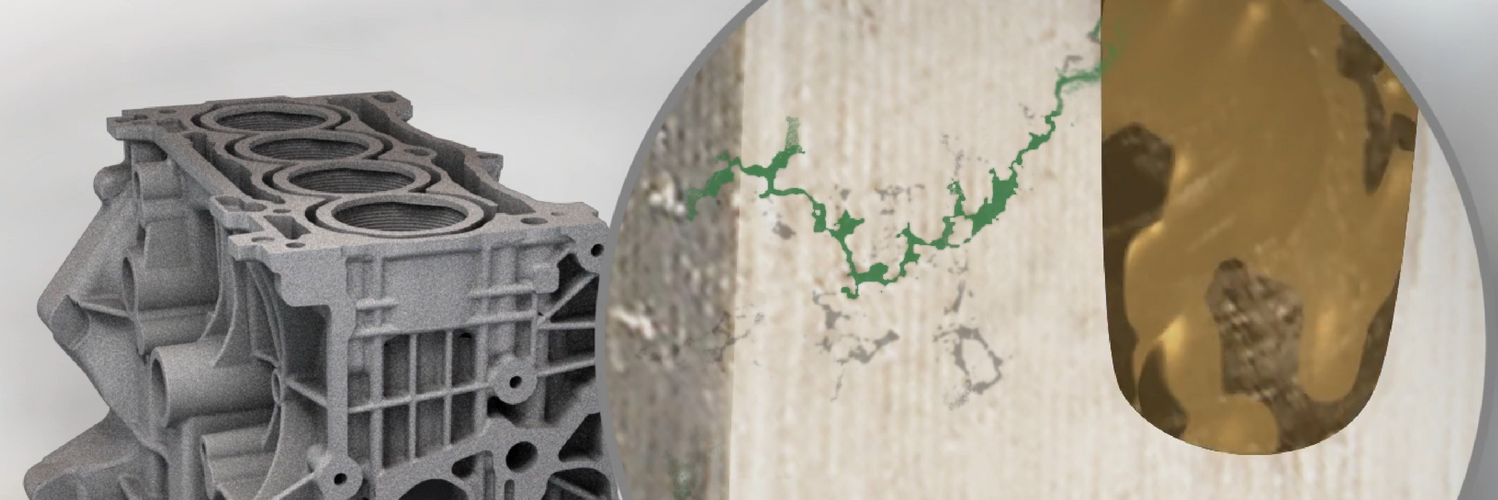
Image 2: Vacuum impregnation seals this leak path (highlighted in green) so that fluids do not seep from the part.
The wide range of casting parameters creates a limitless array of shapes and sizes of porosity possibilities. Despite this, vacuum impregnation can seal porosity of any size. While vacuum impregnation can seal porosity of any size, it is important to realize that the leak path is the key characteristic to evaluate and not pore size. A leak path is created through a series of interconnect pores, and not a single pore. Instead of asking “What size of porosity can vacuum impregnation seal?” one should ask “Can vacuum impregnation seal the leak path?”
A commonly asked question is “What size of porosity can vacuum impregnation seal?” What seems like a simple, straightforward question is actually a complicated one. This blog will address the topic by describing the basics of die casting porosity, and what vacuum impregnation will seal.
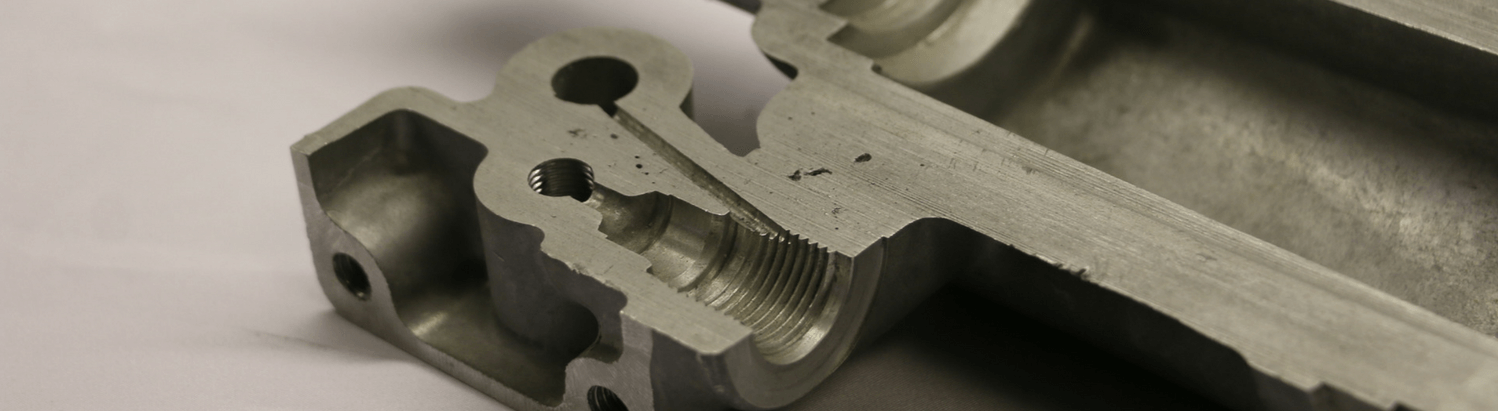
While some refer to porosity as a defect, it occurs naturally and is found in most materials, both man-made and in nature. In metal castings, porosity is typically considered any void found in the casting. Casting porosity can be caused by gas formation or solidification while the metal is being moved from a liquid state to a solid state. This porosity can range in size, from sub-micron to voids greater than 10 mm, depending on the casting.
Metal casting porosity can affect the part’s structural integrity, creating a failure point. Porosity can also prevent the part from being pressure tight. This will impact performance if the part is designed to hold gases or fluids.
Vacuum Impregnation is a process that seals metal casting porosity. Specifically, it seals the internal, interconnecting path of porosity, which breaches the casting wall. The process is not a surface treatment, so it does not seal open pores found on the casting surface. Nor is it intended to seal casting structural defects such as cracks or open knit lines.
It’s difficult to pinpoint a generic porosity range that vacuum impregnation seals because, generally speaking, one pore does not cause a leak path. A leak path is created through a series of interconnected pores. For example, a breach caused by a 5mm pore interconnected with a series of smaller pores will be easily sealed (Figure 1).
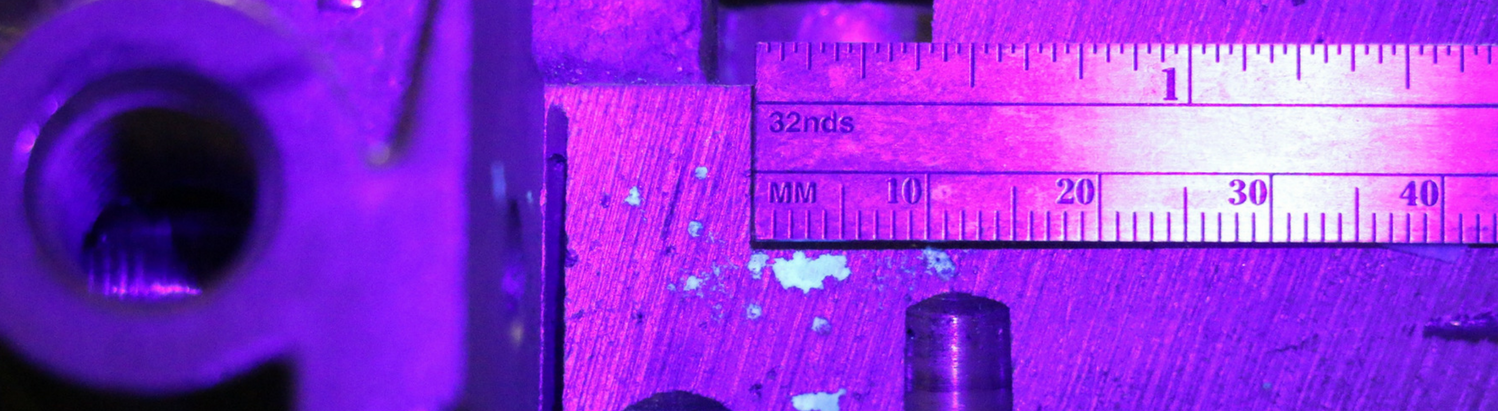
Figure 1: This sectioned casting shows a 5 mm pore that is interconnected to a series of smaller pores. Vacuum impregnation can seal this leak path.
Conversely, if the same 5mm pore breaches a 5mm wall it will be difficult, if not impossible, to seal as there is little casting material for the sealant to adhere (Figure 2). A pore of that nature has characteristics similar to surface porosity which is not a candidate for sealing through vacuum impregnation. The large open pore breaches the both casting walls and is sometimes called “see through” porosity. One needs to view the porosity in three dimensions to see how it is interconnected, not simply analyze individual pores.
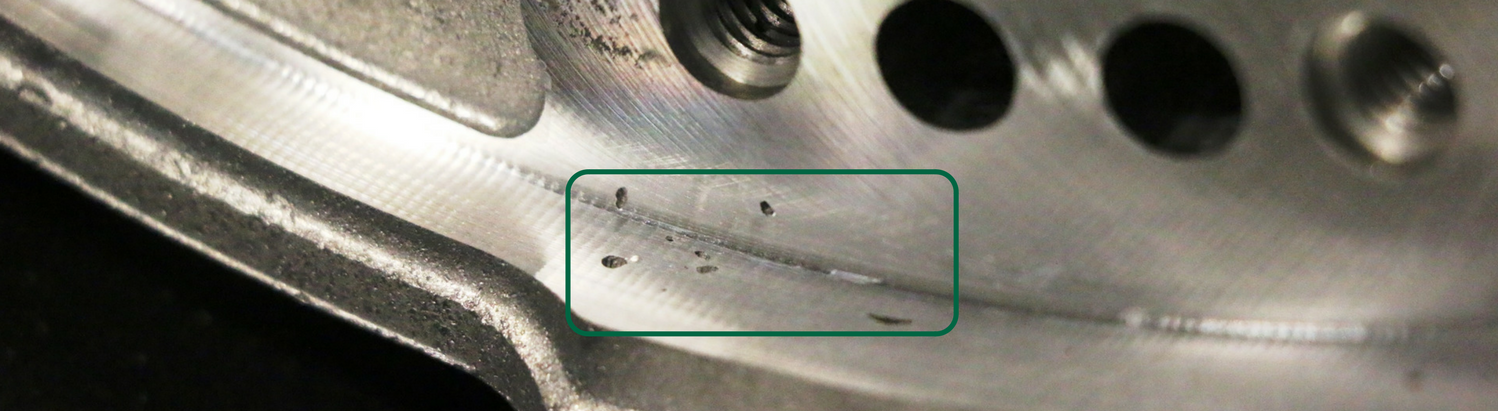
Figure 2: Vacuum impregnation will not seal this surface porosity. There is not enough casting material for the sealant to adhere.
The wide range of casting parameters creates a limitless array of shapes and sizes of porosity possibilities. Despite this, vacuum impregnation can seal porosity of any size. While vacuum impregnation can seal porosity of any size, it is important to realize that the leak path is the key characteristic to evaluate and not pore size. A leak path is created through a series of interconnect pores, and not a single pore. Instead of asking “What size of porosity can vacuum impregnation seal?” one should ask “Can vacuum impregnation seal the leak path?”
A future blog will discuss the topic of leak rates.
A global automotive part manufacturing company produces aluminum engine blocks, cylinder heads, and transmission cases. The company is a Tier 1 supplier to automotive OEMs, and has facilities through the world. As such it was actively looking for opportunities to increase its efficiency and output.
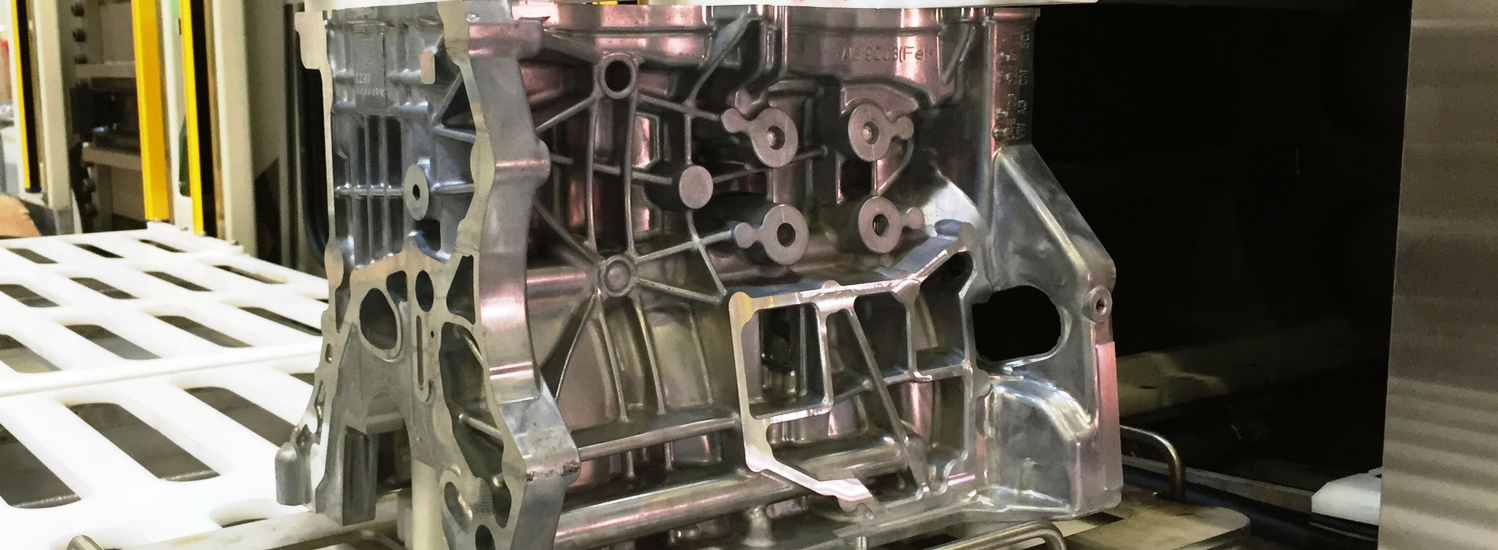
This company received a contract for a new large scale, engine block program from an OEM at one of its European facilities. The program’s quality standards forced the need for vacuum impregnation to seal the casting porosity. If the porosity is not sealed, then automotive fluids will leak from the part, causing a field return.
Previously the customer outsourced any impregnation projects to an outside vendor. Due to this country’s poor logistics and limited number of vacuum impregnation vendors, this approach was not feasible with this new program. These factors translated into three specific challenges for the customer:
The company realized that it had to implement an impregnation strategy that would address these three challenges to reduce waste in the supply chain.
Godfrey & Wing determined that the implementation of in-house vacuum impregnation technology would alleviate these challenges. The company proposed its High Value Low Volume (HVLV) single piece flow impregnation system for installation at the customer’s facility.
The HVLV uses the Dry Vacuum and Pressure (DVP) process, and Godfrey & Wing’s 95-1000AA recoverable sealant. The DVP process pushes the sealant deep into the micro porosity in order to improve sealing effectiveness. The 95-1000AA recoverable sealant is easy to use and remains stable and pure.
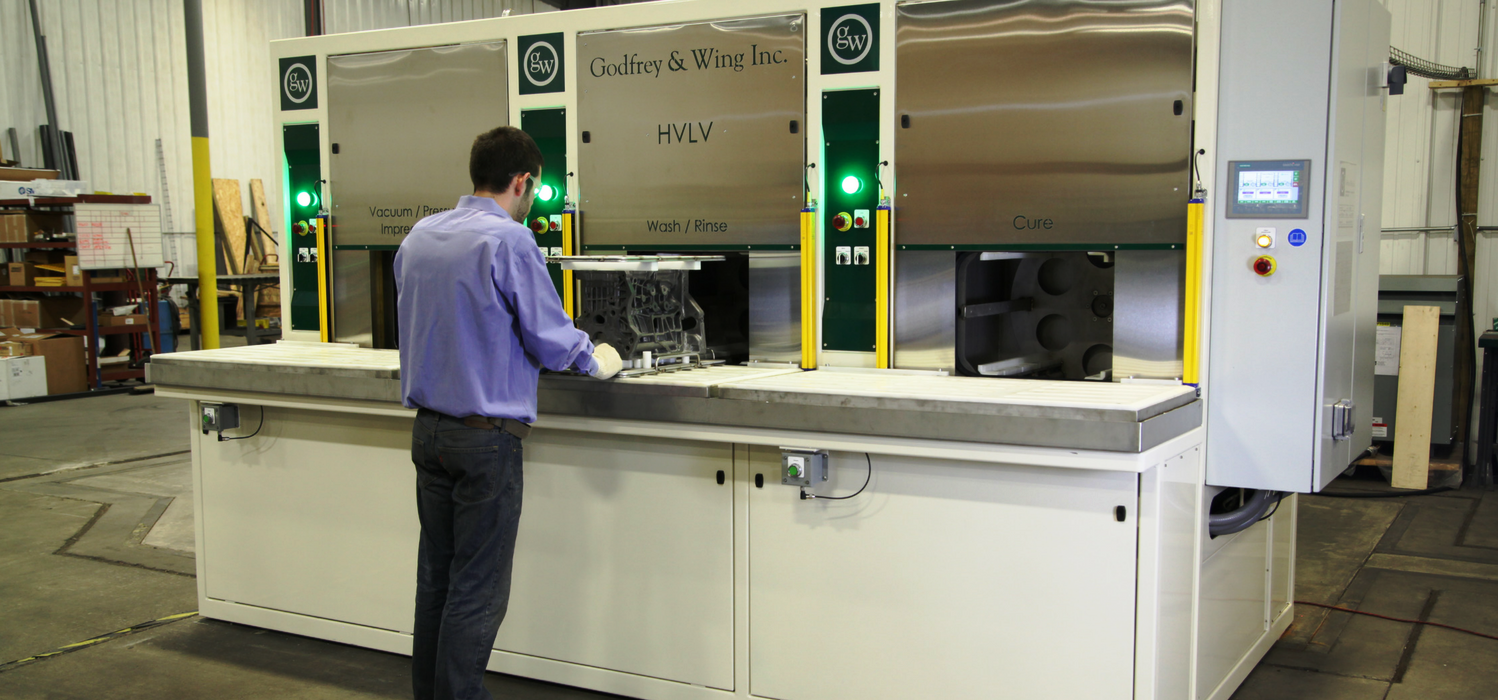
The proposed HVLV solution outlines multiple benefits to the customer:
Having never qualified the HVLV, the customer ran samples at Godfrey & Wing’s technology center, located in Untergruppenbach Germany. The results clearly showed the HVLV’s DVP process created superior sealing results:
The customer also found the system simple and safe to use. The part fixtures and platform allows the operator to easily move a part from station to station. Each station starts with a push of a single button. The man-machine interface keeps the operator safe at all times. Light curtains, insulated panels, and ventless exhaust ensure ongoing operator safety.

The customer purchased two HVLVs. One HVLV is stationed at the customer’s foundry to seal parts after pre-machining (also known as hyper cubing), and the other system is stationed at the OEM to seal any parts that may leak after final machining.
The two facilities are 500 miles apart so the two in-house systems eliminate any production disruptions. After pre-machining, fix-on-fail parts are impregnated at the foundry. When the parts arrive at the OEM for final machining and assembly, only a reduced amount of material is removed. Since the impregnation at pre-machining has already sealed porosity, the opportunity to open an interconnected leak path is reduced. Any parts that don’t conform to standards after machining can be easily impregnated without disrupting production.
The HVLVs are making a significant impact by answering the following challenges:
Godfrey & Wing’s HVLV proved that vacuum impregnation is a viable, in-house solution for producing pressure tight components. Throughout the supply chain, the HVLV is the perfect solution to eliminate production delays caused by logistics.
Vacuum impregnation is a process that seals porosity in metal castings. If left untreated, then the porosity creates a path for fluids and gasses to leak from the part. When performed properly, vacuum impregnation seals the porosity, but it is undetectable on the surface or in the machined features of the casting.
Before vacuum impregnation is applied in production, operators often request indisputable evidence that the process is capable. This is done by measuring key process characteristics of the vacuum impregnation process. Common processes that are tested are:
The sealant gel time test produces a test slug. Often the sealant slug is discarded after the sealant gel time. But before it is discarded, the operator should examine the slug’s color and clarity for other conditions. What is optimum is to have the sealant coming out of the system looking like the clean, clear sealant that originally went into the system. Below are three common reasons why the sealant may not match its original state:



If any of these occur, then the possible action plan can include:
Vacuum impregnation is a process that seals internal pores in metal castings. Sealing the porosity allows the part to hold gas and fluid under pressure. Measuring the key process characteristics and the sealant slug provide traceable, quantifiable and actionable data to keep the vacuum impregnation process effective.
One of the largest aluminum casting facilities in United States produces engine blocks and transmission cases for an automotive OEM. This facility supplies the vast majority of powertrain castings in support of the OEM’s assembly operation throughout North America.
The casting standards and aluminum characteristics forced the need for vacuum impregnation. The program was launched with a vendor that utilized a Dry Vacuum (DV) process in an older batch style vacuum impregnation system. Unfortunately, the system and process could not meet the quality demands of the foundry or the OEM.
The main challenges were:
These challenges caused missed shipments, quality alerts and increased rework costs. A better process was needed to deliver a higher quality parts.
Based on the customer’s requirements and production quantities, Godfrey & Wing proposed the Dry Vacuum and Pressure (DVP) Continuous Flow vacuum impregnation (CFI) process for the customer’s parts. The CFi seals high volumes of parts in a short cycle time with minimal labor. The system uses a recoverable sealant, maintaining the sealant in is original and purest state, which allows for repeated use.
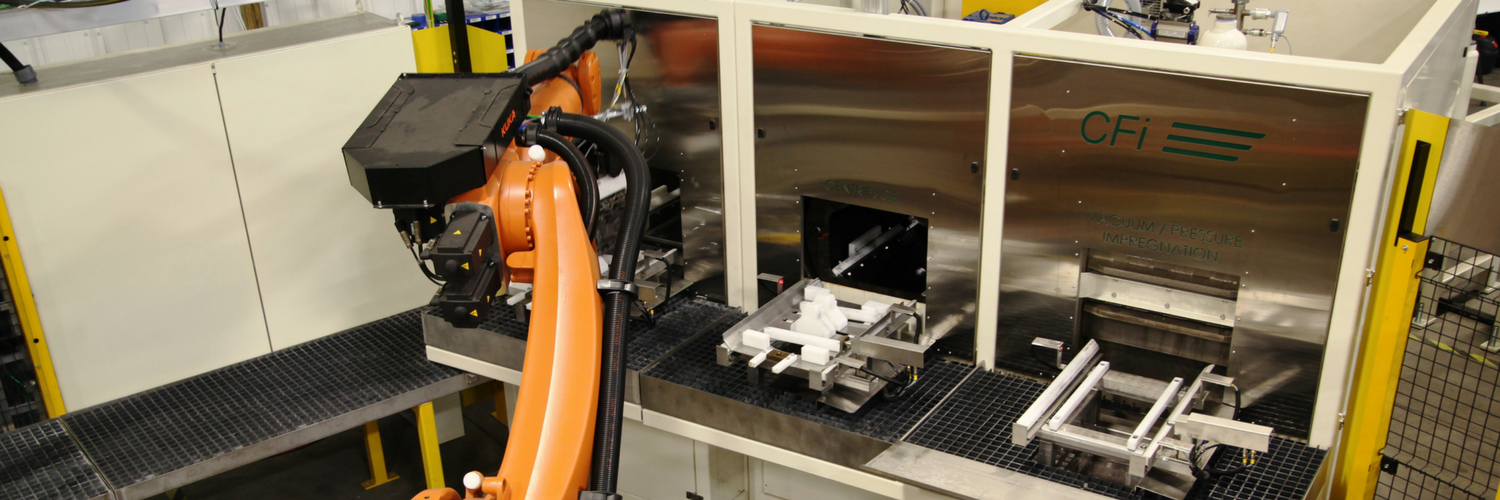
Godfrey & Wing’s solution was designed to address each of the customers concerns:
Having never qualified the DVP process, the customer ran a sample to determine how much more effective it would perform compared to its existing DV process. The results clearly showed the DVP process surpassed the existing sealing results:
Impressed with the results, the customer moved production to Godfrey & Wing.
During the first year of production, the CFI impregnated over 16,000 parts. The First Time Through (FTT) rate remained at 100% without any contamination or damage. The impregnation process continues to achieve 100% recovery without any contamination or damage. The process seals the parts at 150 cc.
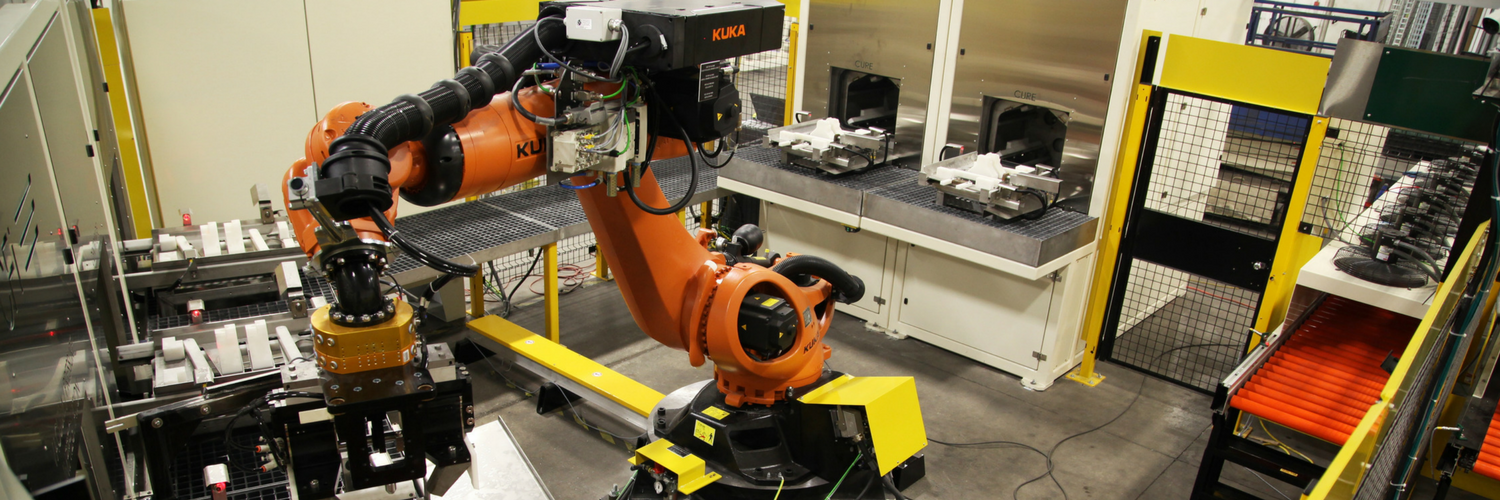
Godfrey & Wing’s CFi with the DVP process solution answered the following challenges:
As companies continue their search for ways to reduce costs and increase quality, it will be necessary to challenge the status quo. This company realized that the DV recovery rates were no longer valid for today. With Godfrey & Wing’s technology and processes, this company maximized casting recovery, reduced costs and improved quality.