YOUR CART
- No products in the cart.
Subtotal:
$0.00
As manufacturing equipment ages, the Overall Equipment Effectiveness (OEE) decreases. A company that fails to invest in equipment, will not be able to meet demand or produce a quality product, thus potentially losing its competitive edge. Companies who want to succeed in this landscape are identifying equipment investment opportunities to keep production moving and while producing a quality product.
One example of such a company is a global air brake and train control system manufacturer. The manufacturer had a surge in production, and its in-house vacuum impregnation line could not meet the production demands. The impregnation system was in the company’s Mexico facility. This facility cast, machines, impregnates, assembles, and tests the aluminum castings before shipping to its OEM customers.
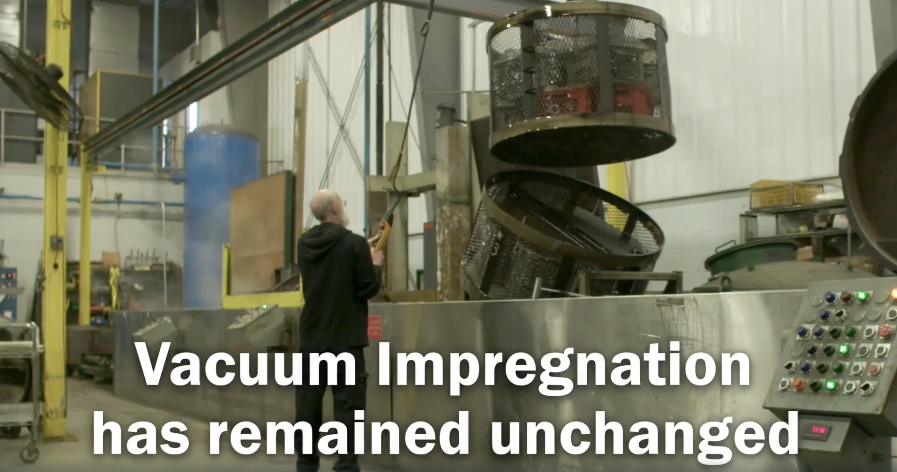
The manufacturer was using a batch impregnation system with a thermal-cure sealant. The system aggregated castings after machining and processed them in large batches. After processing, the castings moved to washing.
After considerable research, the manufacturer determined that their batch system caused the following challenges.
To meet the production surge, the company’s leaders decided to replace this equipment with a modern, lean impregnation system.
Based upon these requirements, Godfrey & Wing recommended the HVLV vacuum impregnation system. This system was engineered to address all the customer’s challenges.
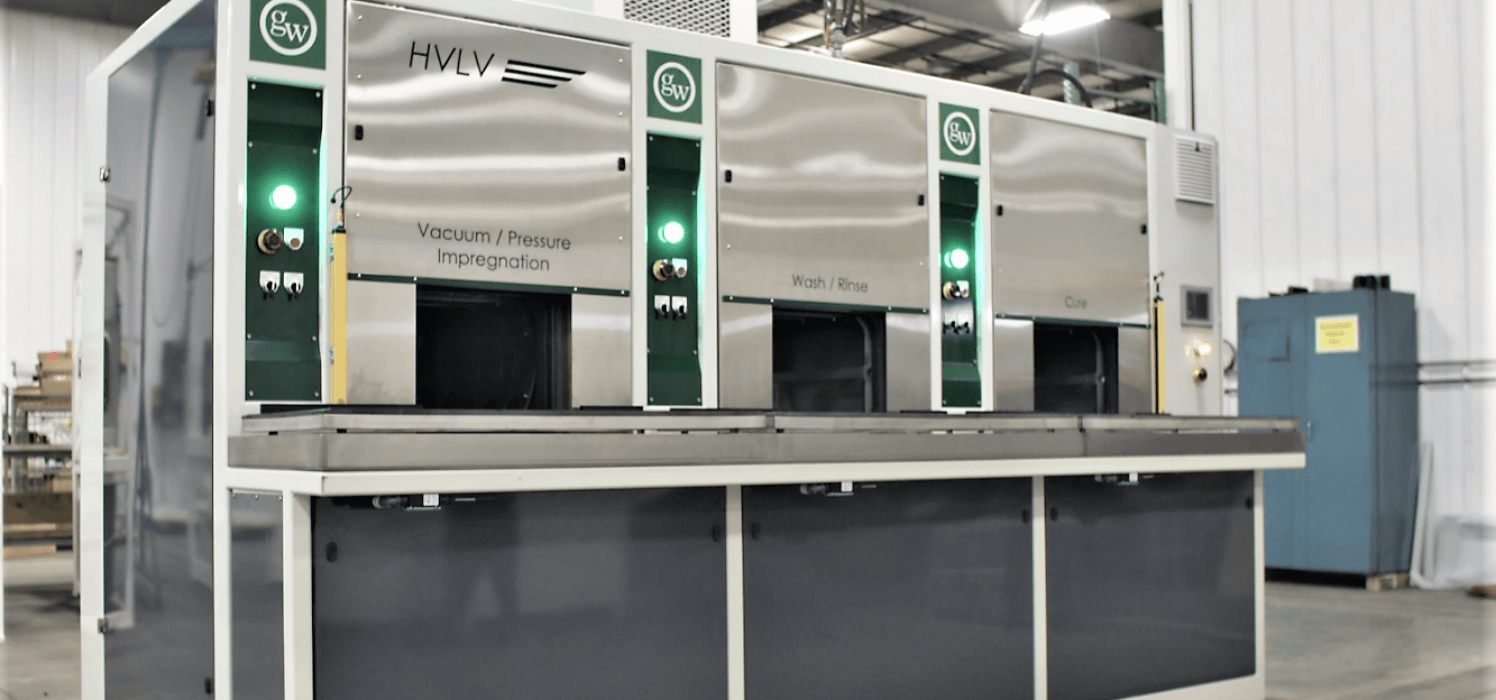
The HVLV uses the patented Dry Vacuum and Pressure (DVP) process. Demonstrated to be the most effective vacuum impregnation process in the world, DVP incorporates a fast, deep vacuum to evacuate air from a casting’s porosity. The system applies high pressure to allow the sealant to thoroughly penetrate deep in the casting walls.
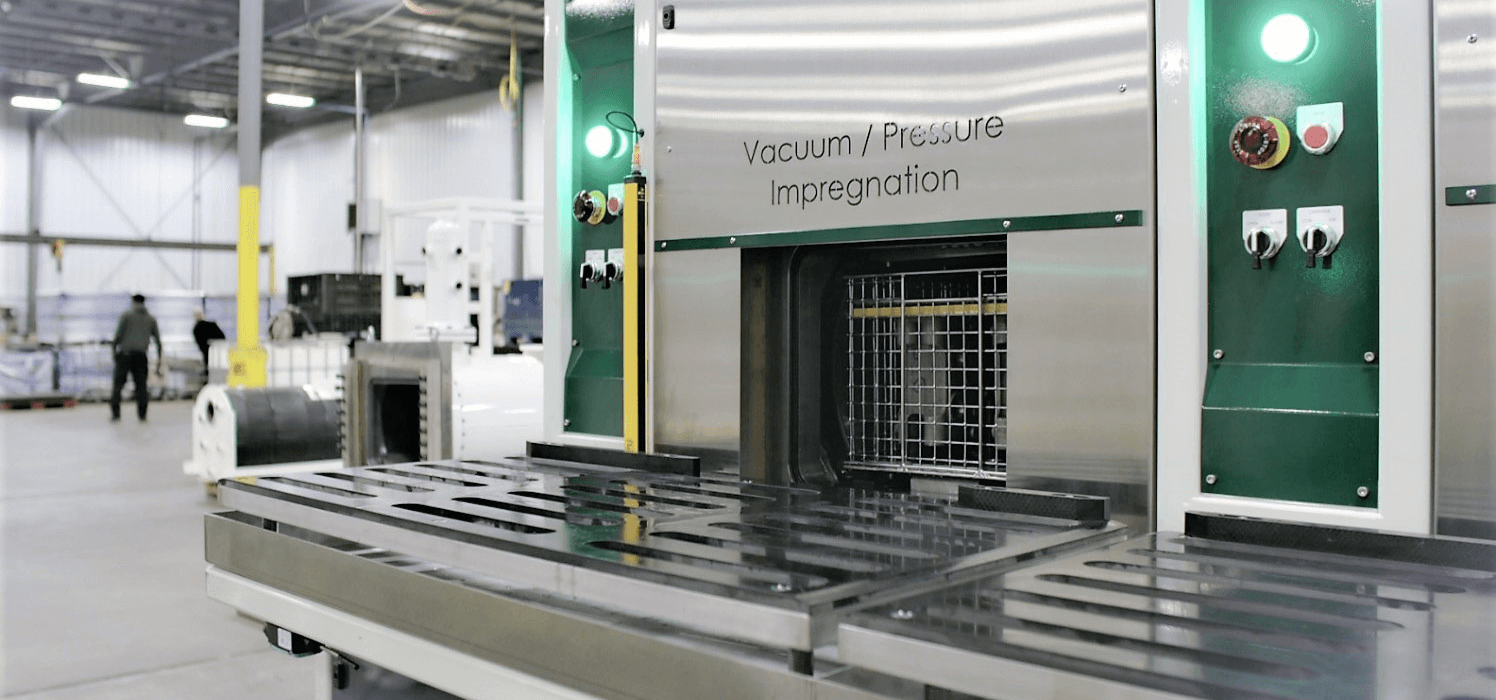
Custom-designed fixtures hold the castings in place. This maximizes the number of castings that can be processed per cycle, helps ensure sealant is flushed from blind holes, and protects critical machined features. The HVLV’s ergonomics allow the operator to easily slide the fixture on the platform to each module, enabling faster processing than a batch system.
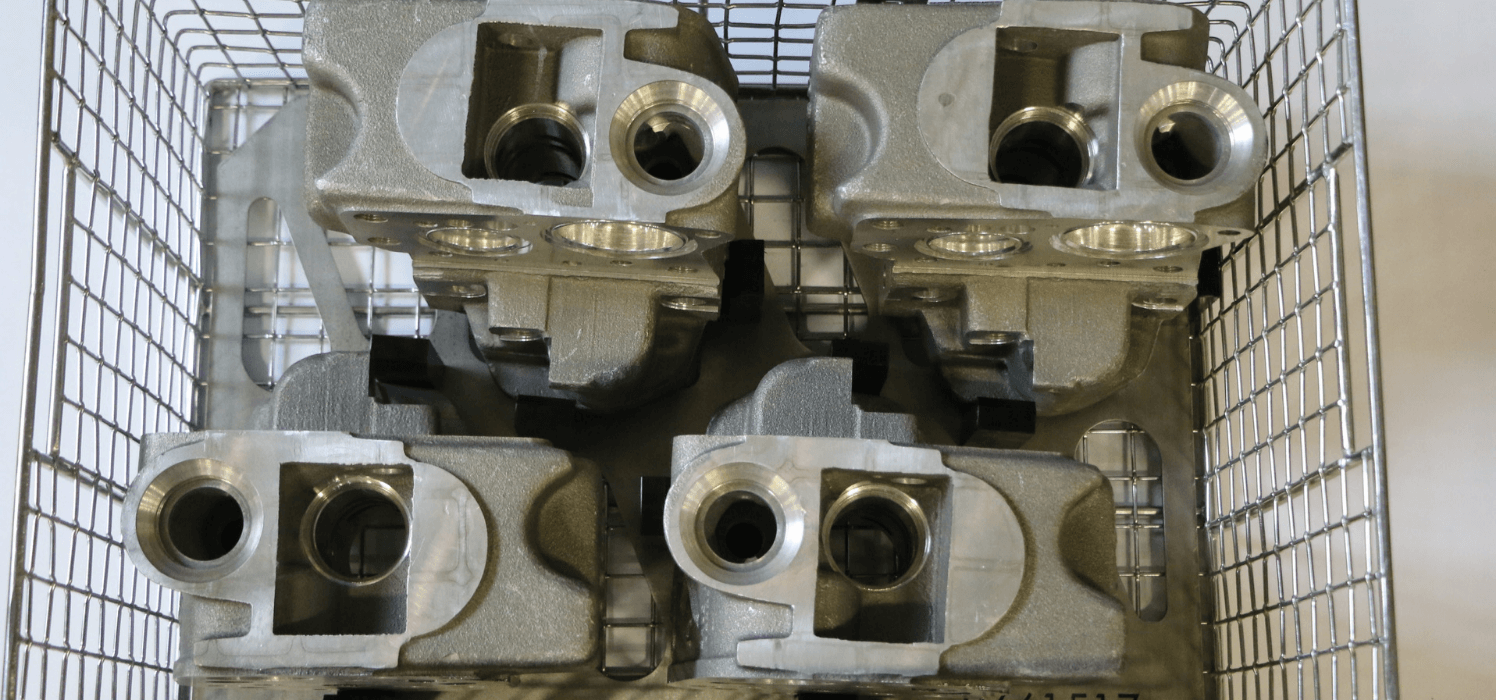
After sealant penetration, the fixture is processed through a centrifuge to recover unused sealant. The sealant is returned to the sealant reservoir for use in subsequent cycles. Conserving unused sealant prior to the wash enables the wash water to remain pure. This allows the wash water to fully clean the part, eliminating the risk of contamination.
At a demonstration of the HVLV system at Godfrey & Wing’s Mexico facility, the customer had an opportunity to process parts themselves. The customer found the system simple, safe, and faster to use compared to their current batch system. The HVLV’s FTT rate was exceedingly higher than the customer’s batch system.
They were also able to see firsthand how flexible the system really is. The modular footprint of 96 sq. feet, and single point connections for electricity, water and air allow the customer to easily integrate the system into their production. The system could fit into the customer’s existing production line.
After the demonstration, the company decided to purchase an HVLV.
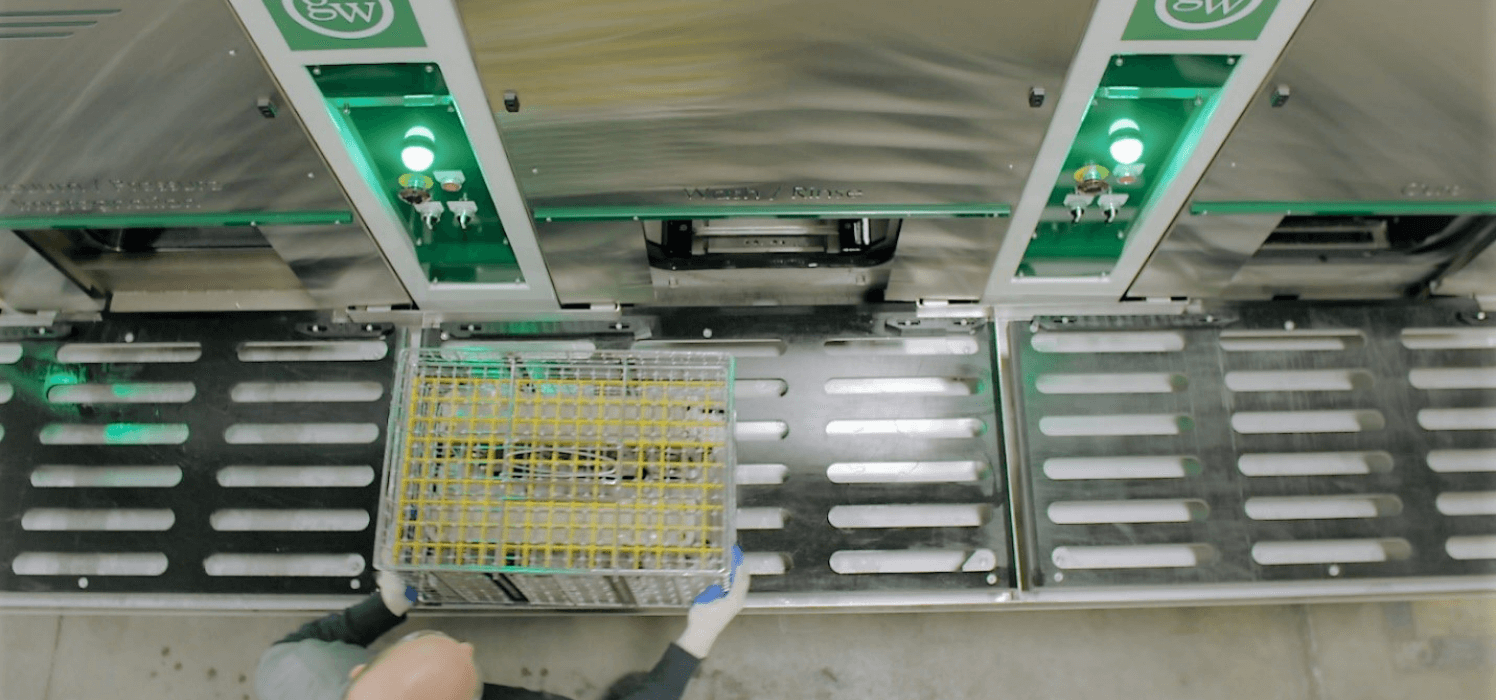
The HVLV was installed, operators and maintenance were trained, and the system was running production in under a month. Since then, the HVLV is addressing all the company’s challenges.
With the success of this new vacuum impregnation system, the company is projecting the capital expense recovery to be 12 months.
This company realized that as technology advancement are made, equipment investment is necessary to meet the ever-changing requirements. Godfrey & Wing’s HVLV system is the best and most economical option for the customer’s needs. The system creates a competitive advantage by operating at the highest OEE possible.