YOUR CART
- No products in the cart.
Subtotal:
$0.00
The use of electronics in automobiles has made cars faster, safer, and more reliable. Electronics have become so prevalent that they’re practically a commodity in the same way that aluminum and steel are. As this trend continues, manufacturers need solutions that address the leak paths that occur naturally in the manufacture of these components.
The benefits in owning and operating equipment vs. outsourcing are found in the savings of logistics, quality, and part costs. These savings serve to increase a company’s profitability. This reality holds true for vacuum impregnation equipment. But with many projects and programs competing for a limited amount of capital expenditure dollars, owning vacuum impregnation equipment can seem out of reach. Therefore, many companies default to outsourcing their vacuum impregnation requirements.
A major benefit to manufacturing with powder metal is that parts are made to near net shape. Often, machining is thus only a secondary operation for improving shape precision and surface quality.
To meet global customers’ needs, automotive Original Equipment Manufacturers (OEMs) must develop international supply chains. And when an OEM seeks to create a sustainable and efficient supply chain in a new country — regardless of whether that country has an existing manufacturing base — it is inevitably going to face challenges.
In its latest report, IHS Markit’s Purchasing Managers Index (PMI) offers a picture of the U.S. economy’s current state. Led by manufacturing, U.S. business activity expanded at the fastest rate in more than five years.
A common frustration we hear from manufacturers is that their vacuum impregnation process may seal porosity, but some parts still need to be scrapped due to sealant contamination (Image 1). Most of these manufacturers assume this is normal. The fact is that this is not normal, nor should it be accepted as a typical outcome of the vacuum impregnation process.
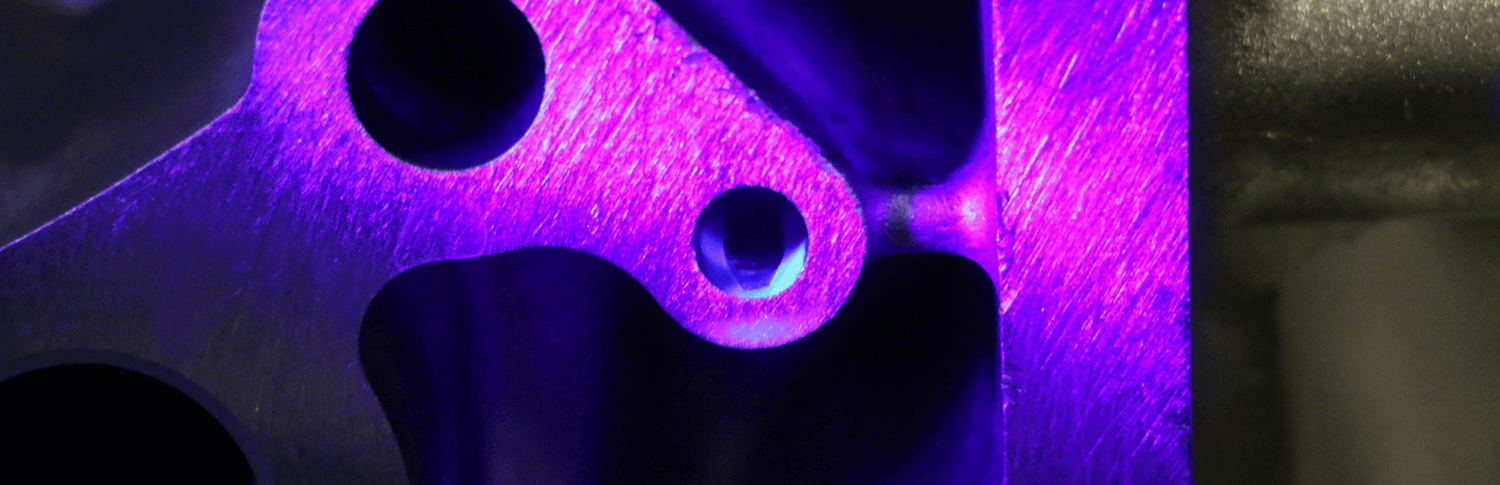
Image 1: This feature has excess sealant. The excess sealant will cause quality and assembly issues.
There are a number of reasons why sealant contamination is a problem. Excess cured sealant can affect assembly and part quality. Cured sealant found in tapped holes or blind passages can cause assembly issues or prevent fluid flow in oil passages or water channels. Excess cured sealant on a part’s surface can affect secondary operations, such as painting, plating, or machining. Nonfunctional parts are unusable and must be rejected.
During the impregnation process, uncured, liquid sealant is drawn in the part’s porosity. Residual sealant can also remain in openings such as oil passages and water channels. This is not a problem, as long as the sealant is properly washed from those openings. If that wash does not happen, or it is inadequate, the sealant will cure to a hard polymer and cause problems in those areas of the casting.
The root cause of this contamination may be one, or a combination, of these failure modes:
To eliminate sealant contamination, one first must determine its cause. For an existing program, a manufacturer should review sealant control, then process parameters, and finally equipment capability (Image 2).
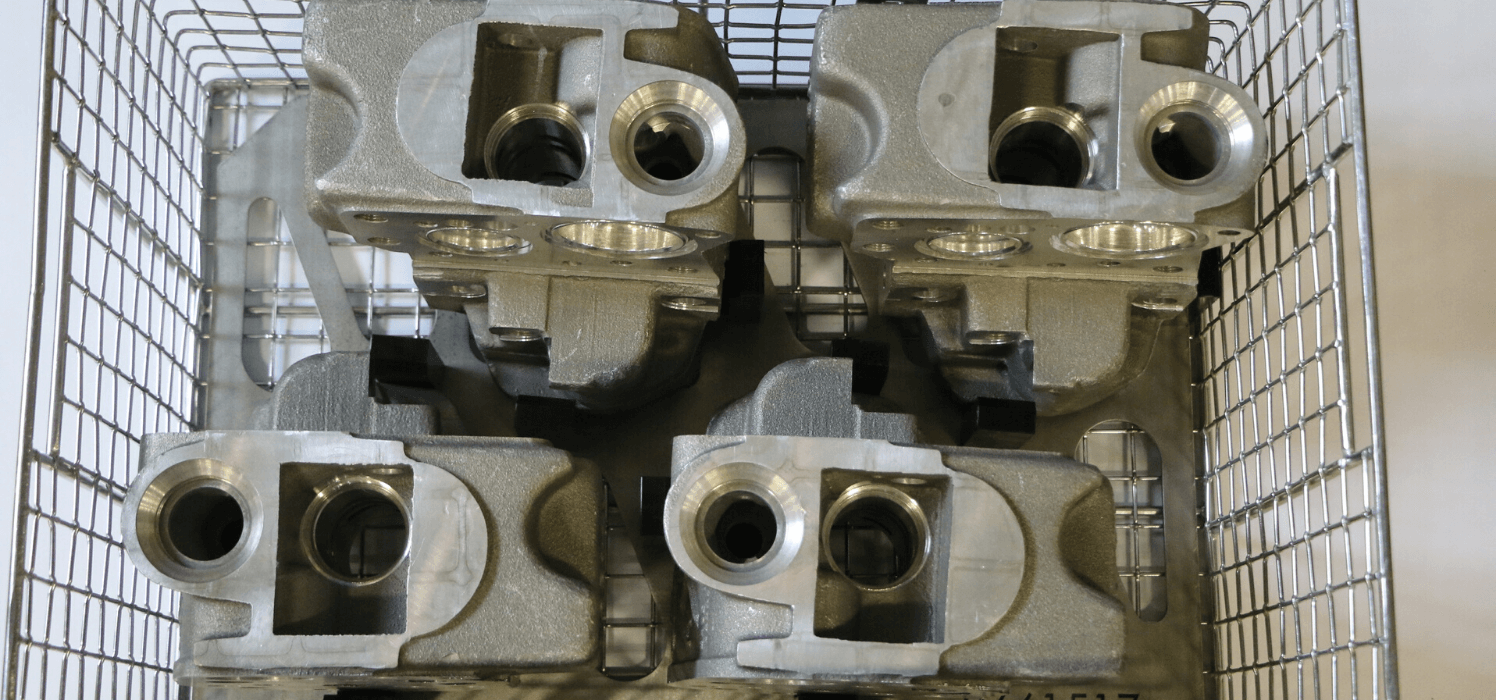
Image 2: Proper fixturing enables sealant to be properly washed from machined features.
For a new vacuum impregnation program, one must be aware of the requirements of the parts to be processed. Each program should be evaluated for equipment, sealant, and process as no two programs are the same.
For example, a manufacturer should not use the same process to seal macro-porosity in powder metal as for micro-porosity in aluminum die casting. The powder metal process uses just a passive wash; a more aggressive wash is needed to remove the sealant from small features in the aluminum casting and decrease the risk of contamination.
This simplified blog provides a better understanding of sealant contamination. It’s a starting place to look for the root cause and identify how to correct it. Sealant contamination does not have to be accepted. By eliminating it, manufacturers can maximize their number of parts in production.
This year’s NADCA Diecasting Congress and Table Top Conference has transitioned to virtual. Watching a screen will require a different kind of focus instead of attending the technical sessions or walking the exhibitor floor. Before attending, here five tips to help you make the most of your time.
There exists a misconception on testing requirements for vacuum impregnation sealants and vacuum impregnation processes. Testing impregnation sealants for application compatibility and testing the impregnation process effectiveness are grossly different.
In 2008, a North American motorcycle OEM decided to insource their vacuum impregnation requirements to reduce manufacturing costs. The OEM considered multiple sealant and equipment technologies. The company was sold on equipment that claimed to eliminate wastewater discharge, seal castings at a better rate, and would require minimal adjustments, maintenance, and repair. The equipment selected used a recycling sealant.
(more…)
The Continuous Advanced Powertrain Impregnation system (CAPI) allows high volume OEM and suppliers to have the benefits of vacuum impregnation in a simple, easy to use machine. In our latest video, Johnny Impreg discusses how the system effectively seals die casting leak paths while eliminating contamination and damage.