
YOUR CART
- No products in the cart.
Subtotal:
$0.00
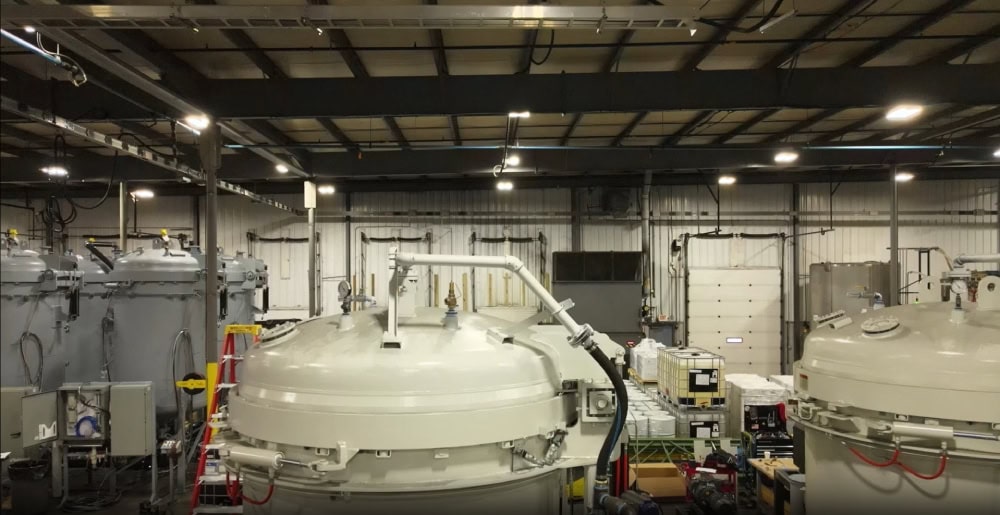
VPI is an advanced insulation process used in the manufacturing and refurbishment of electrical components. During VPI, the component—such as a motor stator or transformer coil—is placed in a chamber where a vacuum removes air and moisture. Then, an insulating resin is introduced and forced deep into the windings and insulation system under pressure. This process ensures complete saturation and bonding, significantly improving performance and durability.
The vacuum pressure impregnation process for transformer, motor, and other components makes them better at resisting electrical breakdowns, withstanding harsh operating conditions, and performing optimally over longer periods.
The vacuum pressure impregnation process makes transformers, motors, and other components better at resisting electrical breakdowns, withstanding harsh operating conditions, and performing optimally over longer periods.
Hover over the pulsing buttons in each step to learn more about each stage.

Heating the metal opens up microscopic pores in the windings to better accept the resin.
Ensures the stator is clean and chemically ready for the VPI process.
High temperatures drive out hidden humidity that could prevent resin bonding.
The part is preheated in an oven.

This step ensures no air is trapped inside, which is the leading cause of electrical motor failure.
Air pockets are pulled out of every deep crevice in the copper windings.
Creating a pure vacuum “void” that will later act as a vacuum-suction for the resin.
The part is placed in the pressure vessel, and the cover is closed. The vacuum is pulled to remove air or until a specified vacuum is achieved. This is the most critical step to ensure the part is ready to receive the resin application.

Because the air is gone, the resin is “pulled” into the tightest spaces between the wires automatically.
The resin is moved from the reservoir to the vessel without introducing new air bubbles.
Under vacuum, the resin enters the chamber and completely covers the part.
The transfer valve is opened, and the resin fills the impregnation chamber while under vacuum.

High-pressure air acts like a physical hand, pushing resin into voids that vacuum alone couldn’t reach.
This step guarantees the resin reaches the very center of the motor’s “guts.”
Forces any remaining microscopic gases into solution, ensuring a 100% solid internal mass.
The vacuum is released, and pressure is applied for the resin to penetrate the voids in the part entirely.

The part emerges with a uniform application of resin, ready for the final curing stage.
The resin is transferred back to the storage tank.
The chamber returns to normal pressure so the lid can be safely opened.
Return unused resin to the holding tank.

Heat triggers a reaction that turns the liquid resin into a rock-hard, protective solid.
The hardened resin bonds the wires together, preventing the friction and “chaffing” that causes shorts.
The impregnated component now conducts heat away from the motor much faster.
The part is removed and placed in the oven for curing.
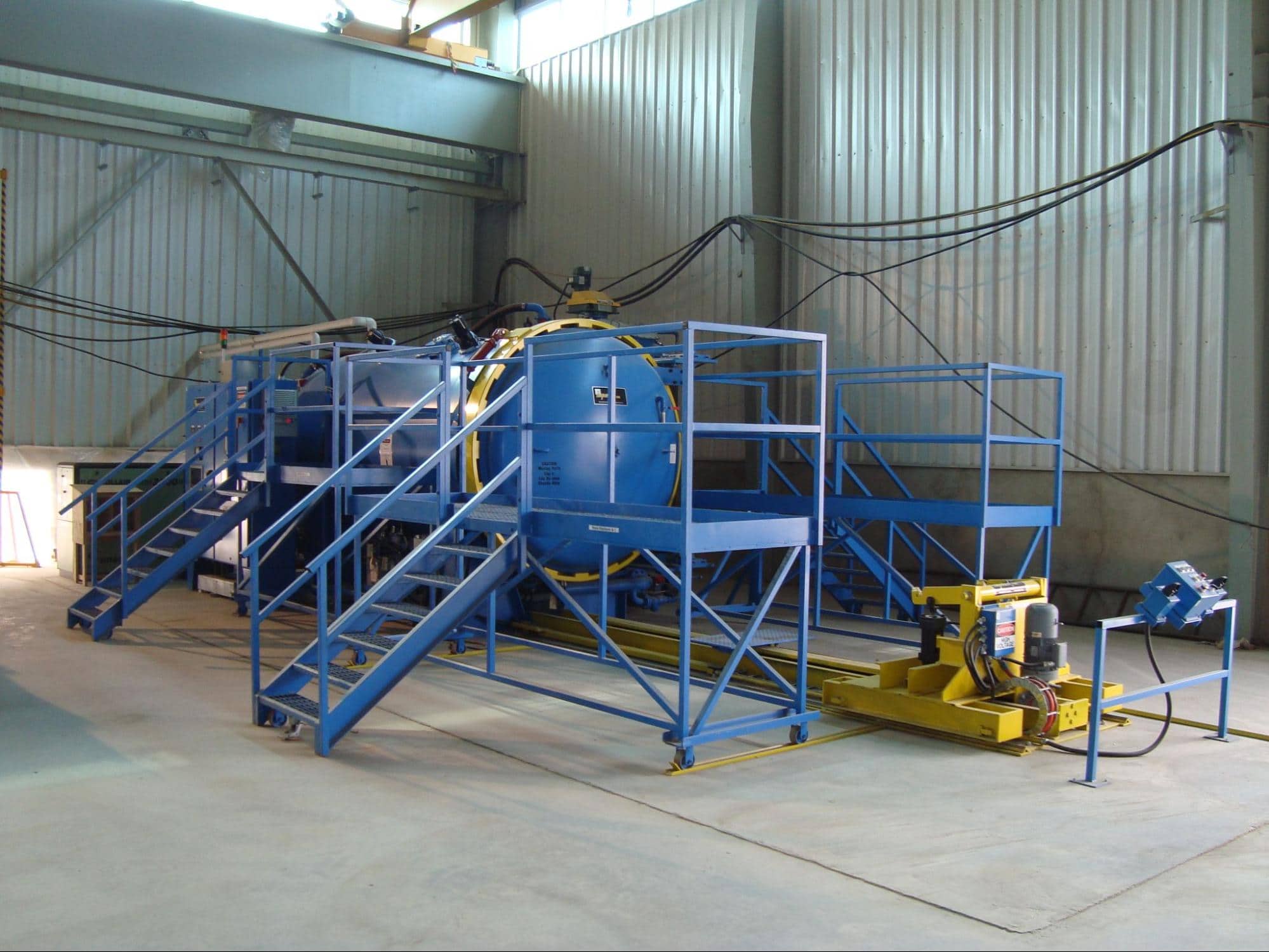
Electrical components face harsh operating conditions—extreme heat, vibration, contamination, and mechanical stress. Standard insulation techniques often fall short, resulting in premature failures or degraded performance. VPI, on the other hand, offers several key advantages:
Godfrey & Wing stands at the forefront of VPI technology, delivering unmatched engineering and equipment to meet the evolving needs of OEMs and rebuilders worldwide. With over 100 VPI systems deployed globally, Godfrey & Wing has proven expertise across a wide range of industries and applications.
Here’s what sets us apart:
Every customer has unique requirements. That’s why Godfrey & Wing offers flexible, turnkey VPI systems tailored to your exact specifications. Whether you need high throughput, special resin compatibility, or automated material handling, we can engineer a system to fit your workflow and production needs.
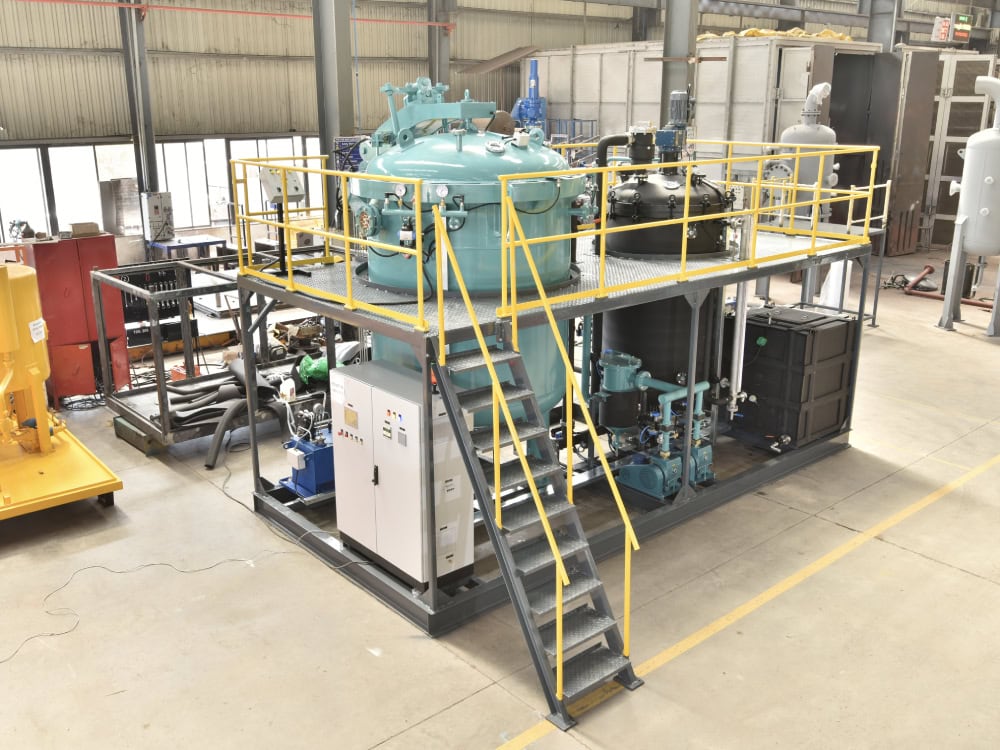
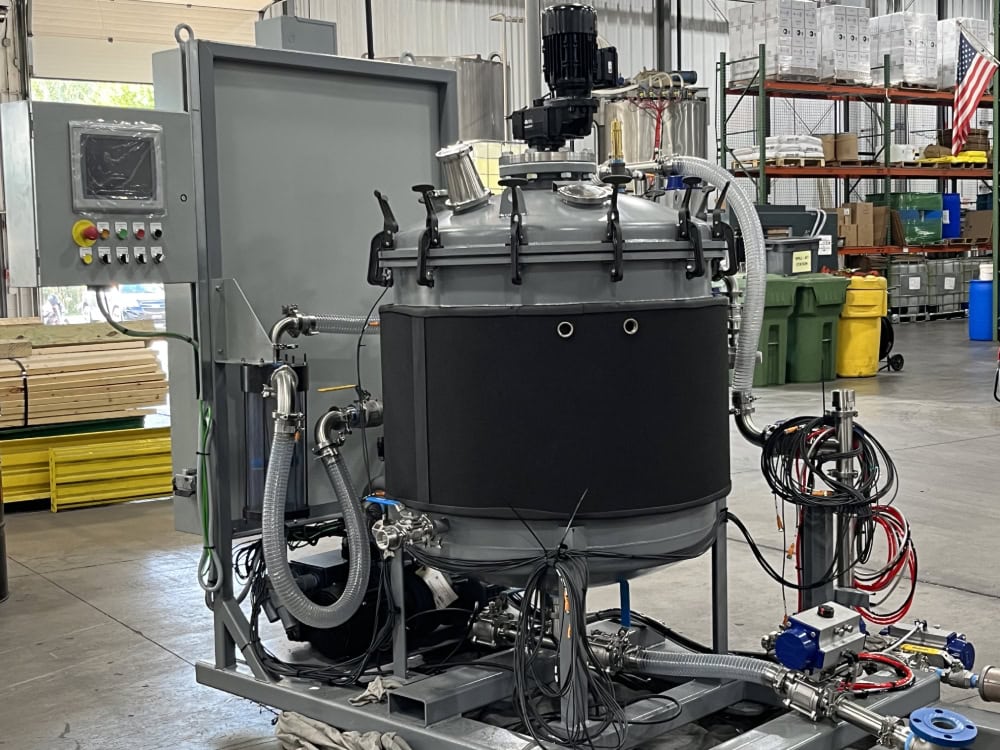
If you’re looking to increase the reliability, performance, and lifespan of your electric motors, generators, or transformers, vacuum pressure impregnation is the solution—and Godfrey & Wing is your trusted partner. We provide VPI equipment, sealants, and services to help enhance your profitability and throughput. Founded in 1948, Godfrey & Wing is the largest and longest-serving vacuum pressure impregnation equipment manufacturer in the world. Our solutions are engineered based on decades of research and real-world OEM part sealing requirements.
Contact us today to learn how our VPI systems can give your products a competitive edge.