YOUR CART
- No products in the cart.
Subtotal:
$0.00
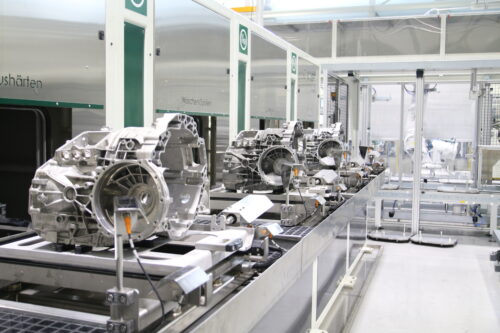
In some die casting applications, components must also be pressure-tight to hold pressurized fluid or gases. Companies use vacuum impregnation to meet these requirements by sealing the internal leak paths caused by interconnected porosity. Misconceptions and lack of information about the vacuum impregnation process can hinder its implementation, which may increase unforeseen costs and negatively […]
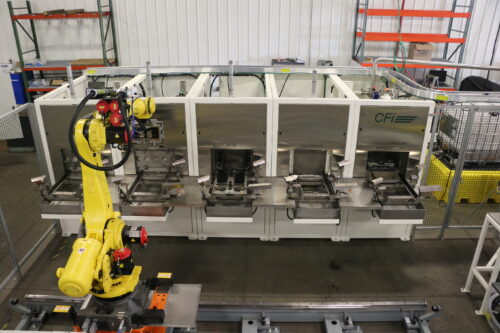
Productivity and quality are keys to the success of any continuous flow production philosophy. However, vacuum impregnation systems have remained antiquated, which causes production and quality issues in modern manufacturing environments. Hence their absence from most continuous flow production plans.Such is the case of a vertically integrated automotive OEM. This company had an outdated vacuum […]
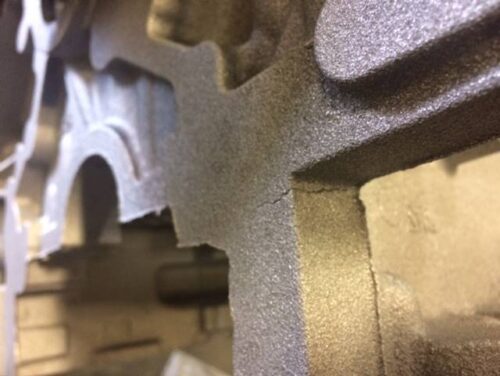
In some die casting applications, components must also be pressure-tight to hold pressurized fluid or gases. Companies use vacuum impregnation to meet these requirements by sealing the internal leak paths without impacting any other features of the casting. A commonly asked question is in addition to leak paths, can vacuum impregnation seal cracks?

We look forward to seeing you while you visit Cleveland during NADCA’s Die Casting Congress & Tabletop. We’re home to a number of distinguished attractions and award-winning eateries. If you are looking for things to do in your free time during the show, below is a list of some of our favorites.
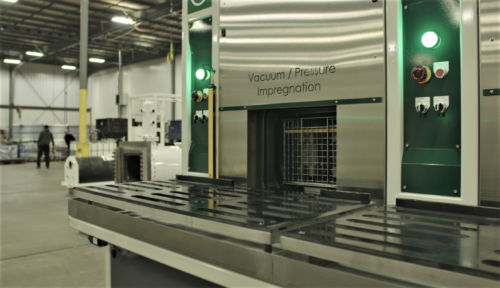
As manufacturing equipment ages, the Overall Equipment Effectiveness (OEE) decreases. A company that fails to invest in equipment, will not be able to meet demand or produce a quality product, thus potentially losing its competitive edge. Companies who want to succeed in this landscape are identifying equipment investment opportunities to keep production moving and while producing […]
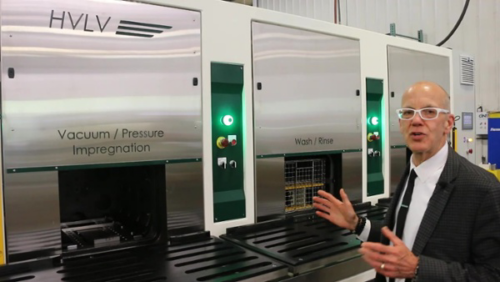
The HVLV vacuum impregnation system allows OEMs, contract manufacturers, die casters and foundries to have the benefits of vacuum impregnation in a simple, easy to use machine. In this video, John Halladay (aka Johnny Impreg) will show you some of his favorite features on how the system efficiently and effectively seals porosity while eliminating the […]
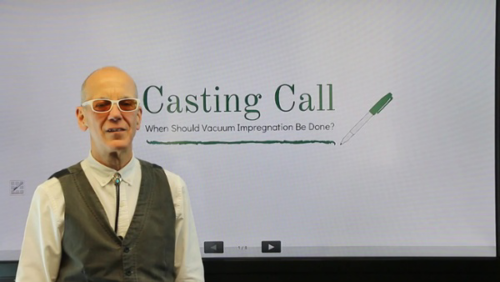
The goal of a foundry is to produce high quality die castings that meet or exceed the customer’s specifications at a competitive cost. In some die casting cases, those specifications require that the part must hold pressurized fluid or gasses. Companies use vacuum impregnation when the part must hold fluids or gasses under pressure. A […]
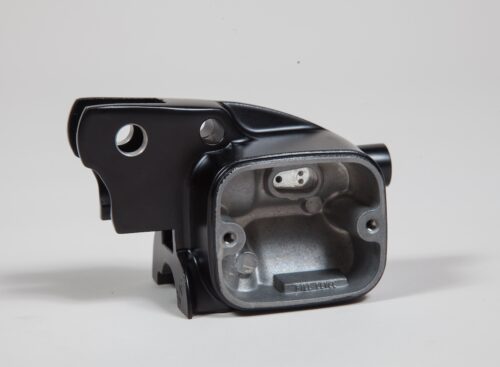
Powder coat, paint, chromate conversion, or anodizing, are common finishes applied to die cast parts to improve their performance or appearance. In some die casting applications, components must also be pressure tight to hold pressurized fluid or gases. Companies use vacuum impregnation to meet these requirements by sealing the internal leak paths without impacting any […]
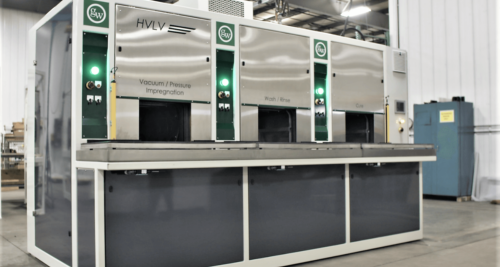
The casting industry is in a transitional period adjusting to new trends and products. Manufacturers require flexibility in their equipment to account for shorter program life cycles while still being able to be competitive. In many instances this requires assets to be spread across multiple programs. It is a landscape that rewards companies who identify […]
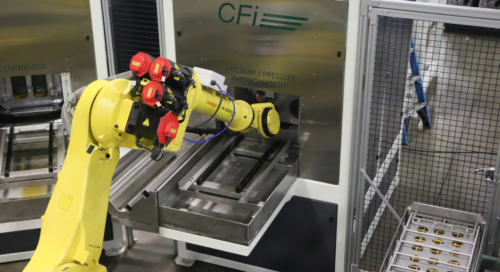
Manufacturing activities are being shaped to an increasing degree by the demands of consumer taste. Consumer’s expectations of quality and performance define product design, which further determines the requirements of the supply chain. This is a landscape that rewards suppliers who identify opportunities to adapt to the changing circumstances. One example is a vacuum impregnation […]