
YOUR CART
- No products in the cart.

There exists a misconception on testing requirements for vacuum impregnation sealants and vacuum impregnation processes. Testing impregnation sealants for application compatibility and testing the impregnation process effectiveness are grossly different.
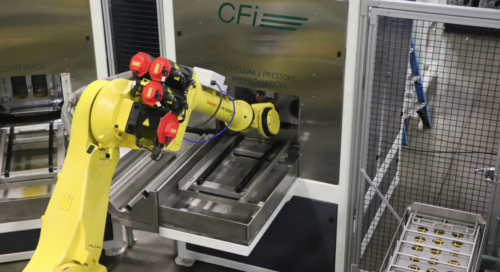
In 2008, a North American motorcycle OEM decided to insource their vacuum impregnation requirements to reduce manufacturing costs. The OEM considered multiple sealant and equipment technologies. The company was sold on equipment that claimed to eliminate wastewater discharge, seal castings at a better rate, and would require minimal adjustments, maintenance, and repair. The equipment selected […]
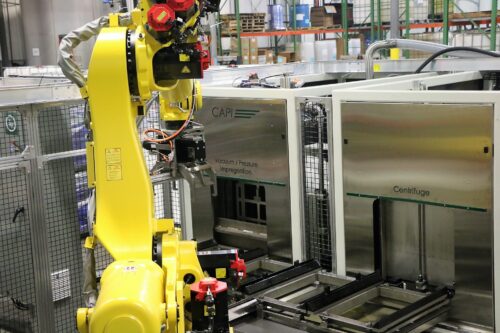
The Continuous Advanced Powertrain Impregnation system (CAPI) allows high volume OEM and suppliers to have the benefits of vacuum impregnation in a simple, easy to use machine. In our latest video, Johnny Impreg discusses how the system effectively seals die casting leak paths while eliminating contamination and damage.
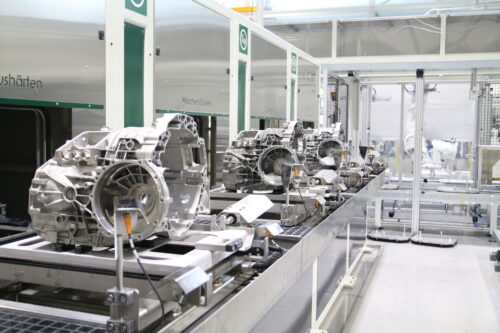
Automotive manufacturers realize that being environmentally responsible and profitable are not mutually exclusive. Being environmentally responsible can achieve better growth, cost savings, improve brand recognition, and increase profitability. The environmental impact of the responsible use of resources is beneficial to everyone, and automotive manufacturers play a leading role.
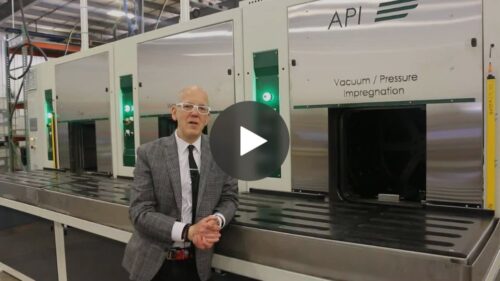
Back by popular demand, John Halladay (aka Johnny Impreg) shows our latest vacuum impregnation system, the Advanced Powertrain Impregnation system (APi). The APi allows powertrain manufacturers to have the benefits of vacuum impregnation in a simple, easy to use machine.
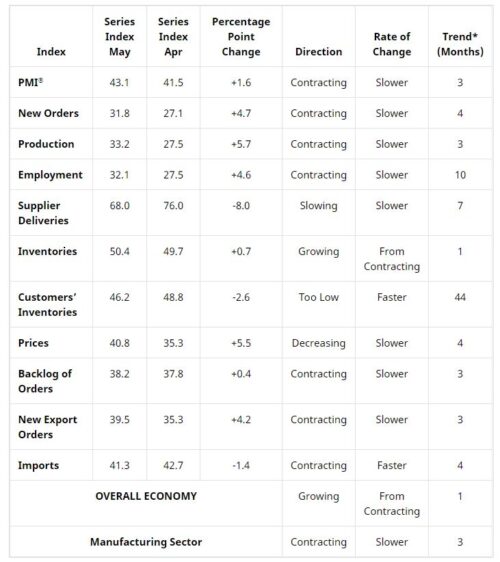
The ISM Manufacturing Index measures manufacturing activity based on a monthly survey of more than 300 manufacturing purchasing managers. The survey is conducted by the Institute of Supply Chain Management (ISM).
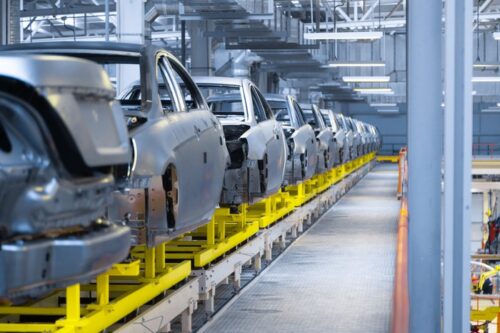
In its latest analysis, IHS Markit has revised its global light vehicle sales and production forecasts due to the COVID-19 impact. IHS Markit’s latest study now projects light vehicle sales to be 69.6 million units, while production is predicted to fall to 69.3 million units.
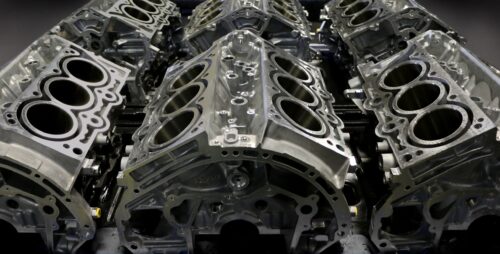
Waste is any activity that consumes resources but brings no product value. Eliminating non-value, unnecessary waste is crucial for a company’s success. If not removed, waste can lower profitability, increase costs, decrease quality, and lower employee satisfaction.
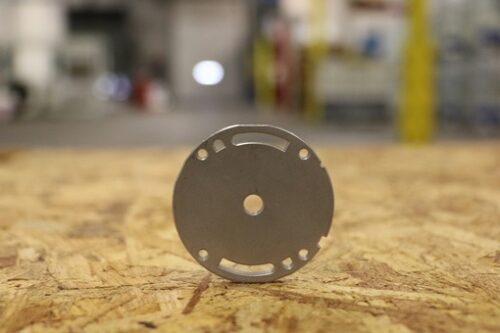
Like most manufacturing processes, porosity is inherent to powder metallurgy. Porosity is only considered a defect if it is interconnected and creates a leak path can affect the part’s structural integrity and performance. This blog discusses the four main reasons why vacuum impregnation is used to seal powder metallurgy leak paths. Preventing Fluids or Gases from Leaking […]
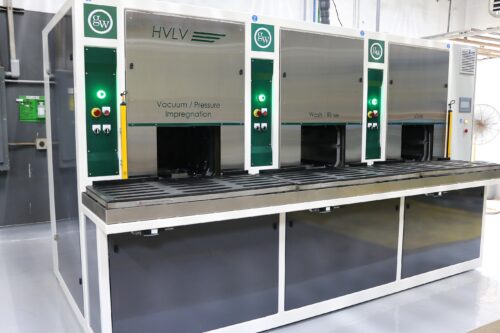
An effective production flow involves work stations and equipment to be arranged in a sequence that supports a smooth flow of parts and materials with minimal delays. Implementing an efficient production flow leads to increased production and flexibility, as well as a reduction in capital requirements. Anoplate, an industry leader in surface engineering, faced a […]