YOUR CART
- No products in the cart.
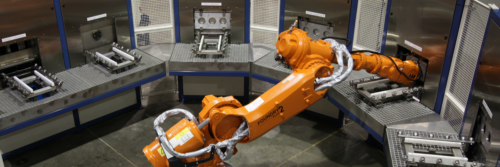
The Continuous Flow Impregnation (CFi) System is a lean, front loading vacuum impregnation system that uses a robot for part handling and transfers between modules. This impregnation system has a cycle times of less than 95 seconds. Individual part handling leads to many process improvements, such as shorter cycle times, better rinse results without risk […]

MIL-I-17563C is the Military Specification for cast or powder metal components. This specification is approved for use by all Departments and Agencies of the Department of Defense and “covers the requirements for impregnants suitable for use in sealing the voids found in cast or powder metal components which cause leaking of contained fluids.” To answer […]
As we begin a New Year, we want to share our top 5 blog posts of 2013. If you missed any of these articles, be sure to check them out. They include helpful information about vacuum impregnation economics, processes and sealant. How Much Does it Cost to Impregnate a Part? Or in other words, how […]
We often write about the different types of vacuum impregnation systems that are commonly used and how each may be best suited for use when processing a particular type of part. Once you have determined the type of system that is required, you then need to select the appropriate sealant for the system and application.
Is it more cost-effective to repair your existing vacuum impregnation equipment or to purchase a new system? There are many factors to consider when making this decision.

I often meet with potential customers who are hesitant to implement a vacuum impregnation process for a variety of reasons. In this article, I will discuss the most common reasons as well as provide some explanation as to why and how a vacuum impregnation program can benefit your business.
One of the most common questions in vacuum impregnation is how much does it cost to impregnate a part, or in other words, how much sealant will a part consume? Parts consume sealant in two ways as part of the normal vacuum impregnation cycle. The first way that parts consume sealant is that sealant actually […]
At Godfrey & Wing, we are often asked this question and wanted to provide some explanation in this article. Some manufacturers state that sealant consumption is 10 grams per impregnated kilogram. Other manufacturers state 5 grams and some even say less than 2 grams. All of these numbers may be correct.
The primary purpose of vacuum impregnation is to seal porous castings and prevent leakage. If the impregnation process is not efficient and fails to seal the casting it will become scrap, and the number and value of these failures will determine the economic viability of the process.
As we begin a New Year, we want to share our top 5 blog posts of 2012. If you missed any of these articles, be sure to check them out. They include helpful information about vacuum impregnation processes, equipment and maintenance.