YOUR CART
- No products in the cart.
Subtotal:
$0.00
Porosity is any void or hole in, or on, a casting and is caused by gas formation or solidification shrinkage that occurs while the metal solidifies. If the casting needs to be pressure tight, porosity can allow gas and fluids to seep from the part. In this blog, we will discuss the difference between gas and shrink porosity and the best solution to seal porosity.
One of the most prevalent types of die casting defects is gas porosity, which occurs when rounded air pockets or voids form within or on the surface of the casting. While minor levels of porosity may be allowable for non-critical parts, gas entrapment can ultimately compromise the quality and integrity of critical parts for high-strength applications. Because of this, manufacturers must detect and address porosity promptly in adherence with industry standards.
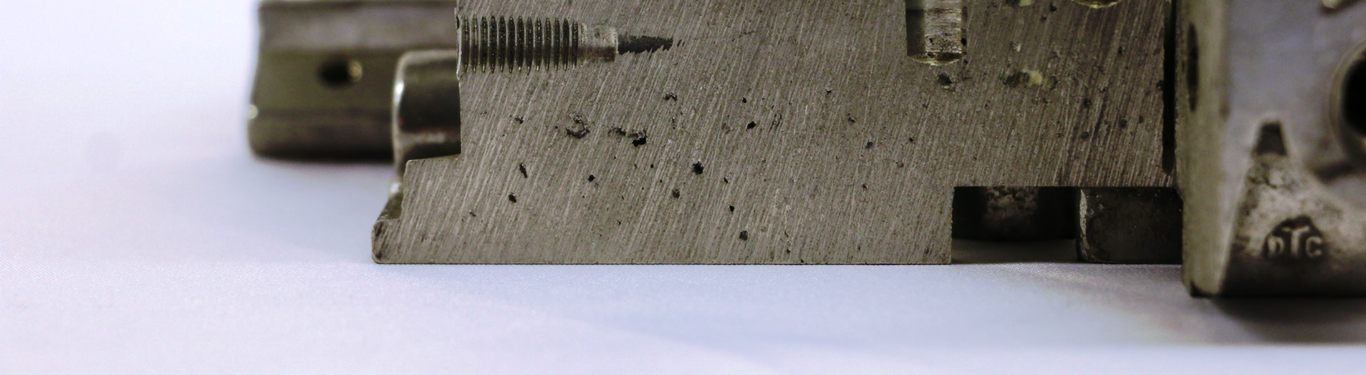
There are several different types of gas porosity defects. These include:
Shrinkage porosity defects are cavities that form when a casting solidifies inside the tool, but there isn’t enough liquid metal to fill the newly formed voids. These have angular surfaces and are different from air entrapment holes, which have rounded shapes.
Shrinkage porosity can cause material weakening. If on the surface, this porosity can lead to lower corrosion resistance as well as a worsened aesthetic appearance. Identifying the size, shape, and position of cavities is essential to determine which defect is occurring and what is causing it to occur.
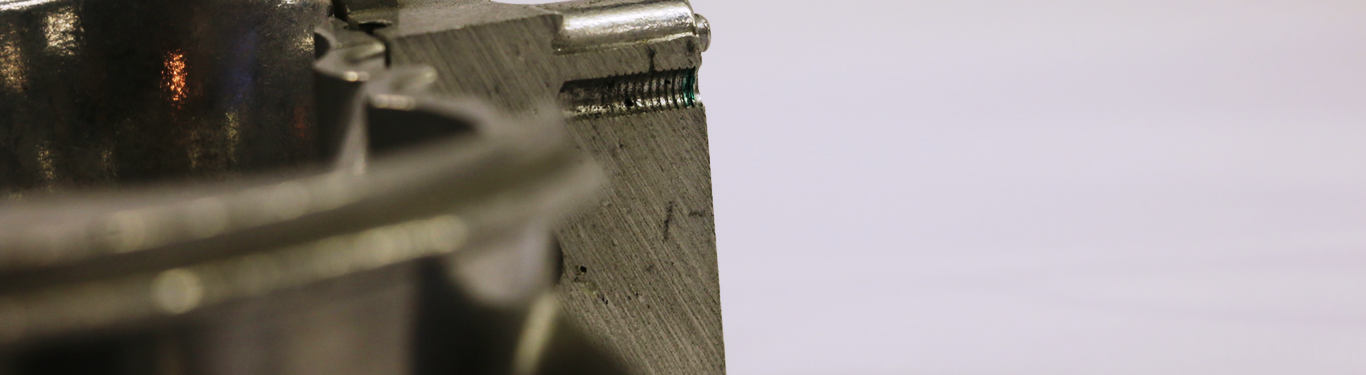
There are several different types of shrinkage porosity defects, including:
As the amount of porosity increases in an aluminum or iron casting, it can become interconnected and create a leak path. The porosity makes the casting unusable for holding pressure in applications like pumps, compressors, transmissions, and plumbing fixtures.
The most economical and successful approach to stop casting porosity is through vacuum impregnation. Vacuum impregnation is a method that seals the casting. To complete this process, the impregnating sealant is introduced into the voids within the wall thickness of the casting through vacuum and/or pressure methods.
This method is a cost-effective and permanent solution to casting porosity. Additionally, there is no limit to the size of castings that can be impregnated. Since the impregnation process occurs within the part, it will not distort, discolor, or affect the casting.
With first-time-through (FTT) recovery rates of over 99%, Godfrey & Wing’s vacuum impregnation equipment provides an effective and economical solution for stopping casting porosity. We build our systems around OEM’s parts sealing requirements to ensure leak-free and pressure-tight casting.