YOUR CART
- No products in the cart.
Subtotal:
$0.00
As consumer demands evolve, it’s imperative for companies to become environmentally conscious. As a result, OEMs and manufacturers who use aluminum die castings have adapted quickly, and sustainable manufacturing practices have become increasingly common.
Sustainable manufacturing aims to minimize production waste and environmental impact. This is done through designing products and adopting manufacturing processes that are more environmentally friendly. Sustainable manufacturing extends from the OEM through suppliers in both processes and materials. Included are processes such as vacuum impregnation and materials such as the sealants used in that process (Image 1).
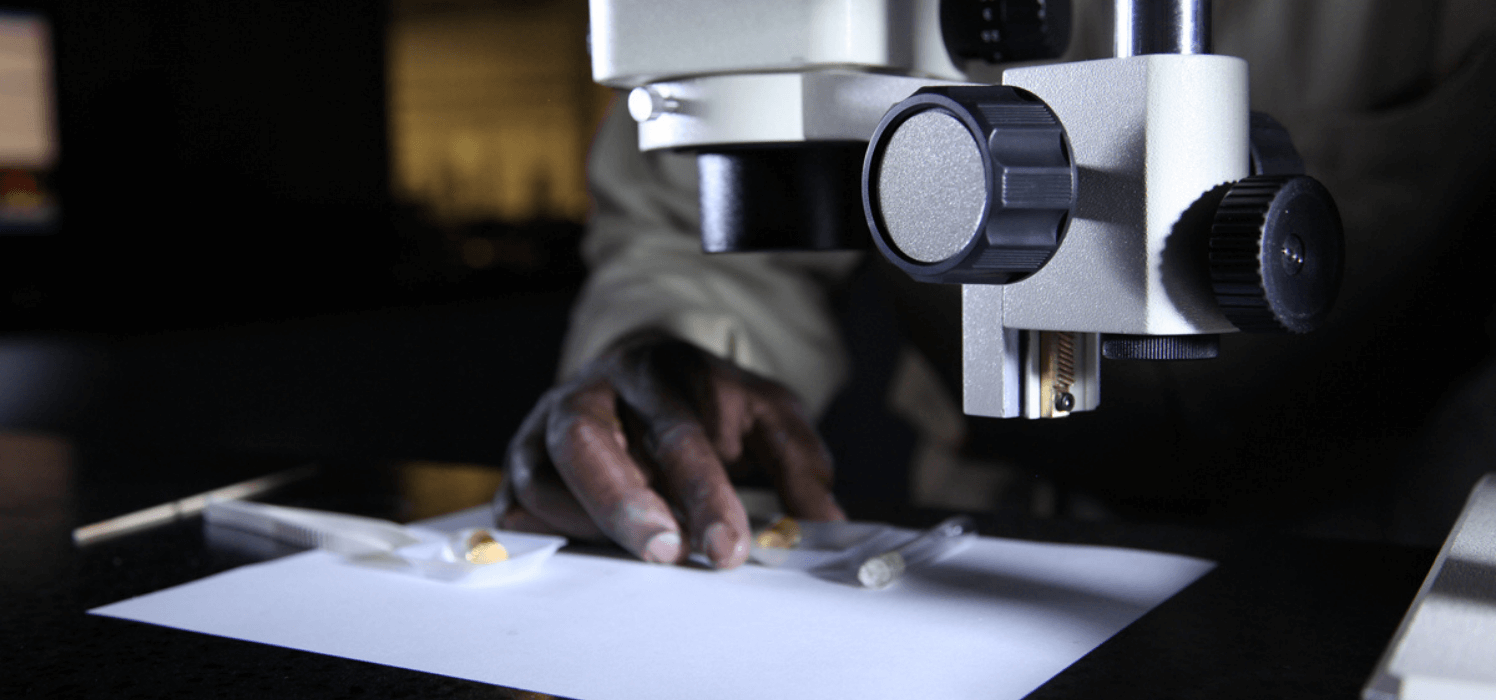
Vacuum impregnation is a low-impact method of sealing leak paths that form during the casting process. Specifically, vacuum impregnation seals any internal, interconnecting paths of porosity that breach the casting wall and may result in product failure. The technique seals the porosity with a sealant without changing the casting’s dimensional or functional characteristics.
By sealing the die casting porosity, vacuum impregnation enables manufacturers to use castings that would have otherwise been scrapped. As a result, the process allows manufacturers to dramatically reduce their waste and control their resources by returning nearly 100% of parts to the production line (Image 2).
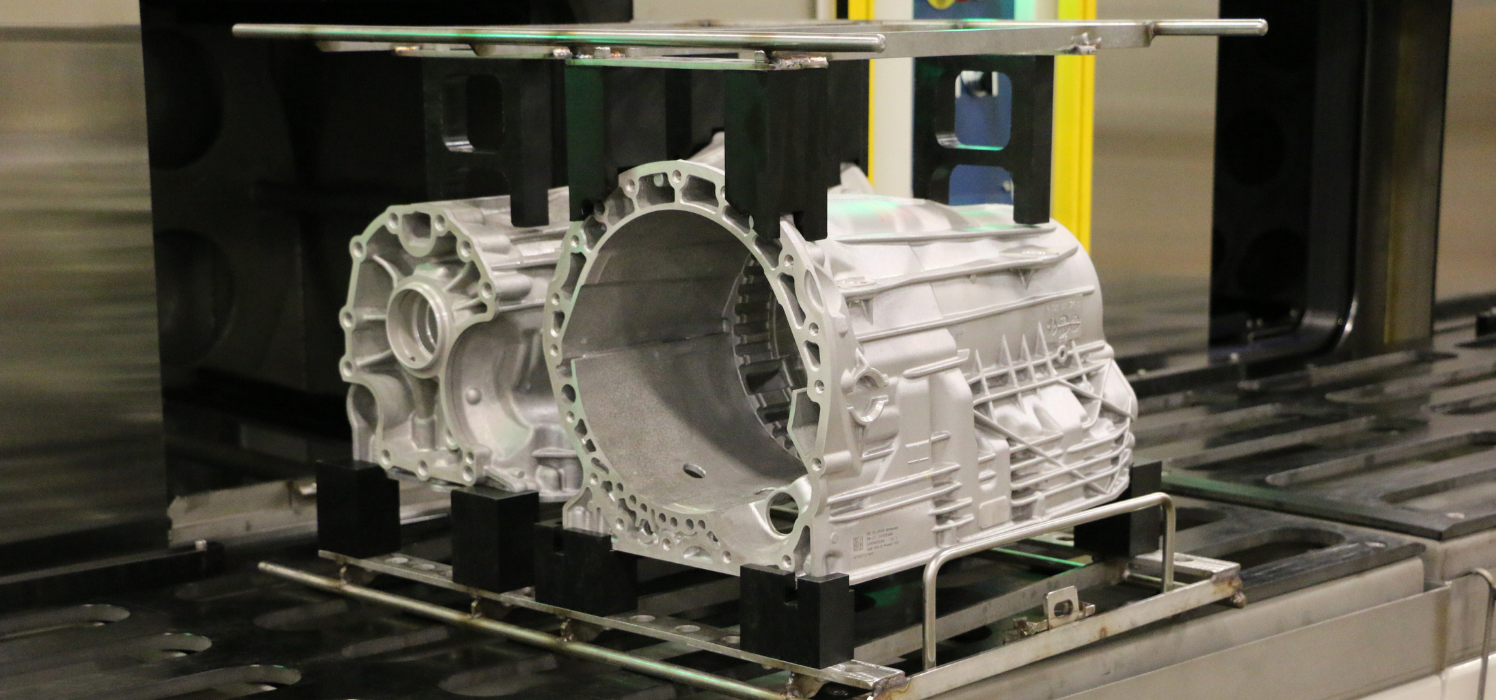
Not only does the vacuum impregnation process contribute to environmental sustainability, but certain materials available for use with the process—specifically, a type of recoverable sealant—contributes as well. Here are the three main benefits from the most commonly used recoverable sealants.
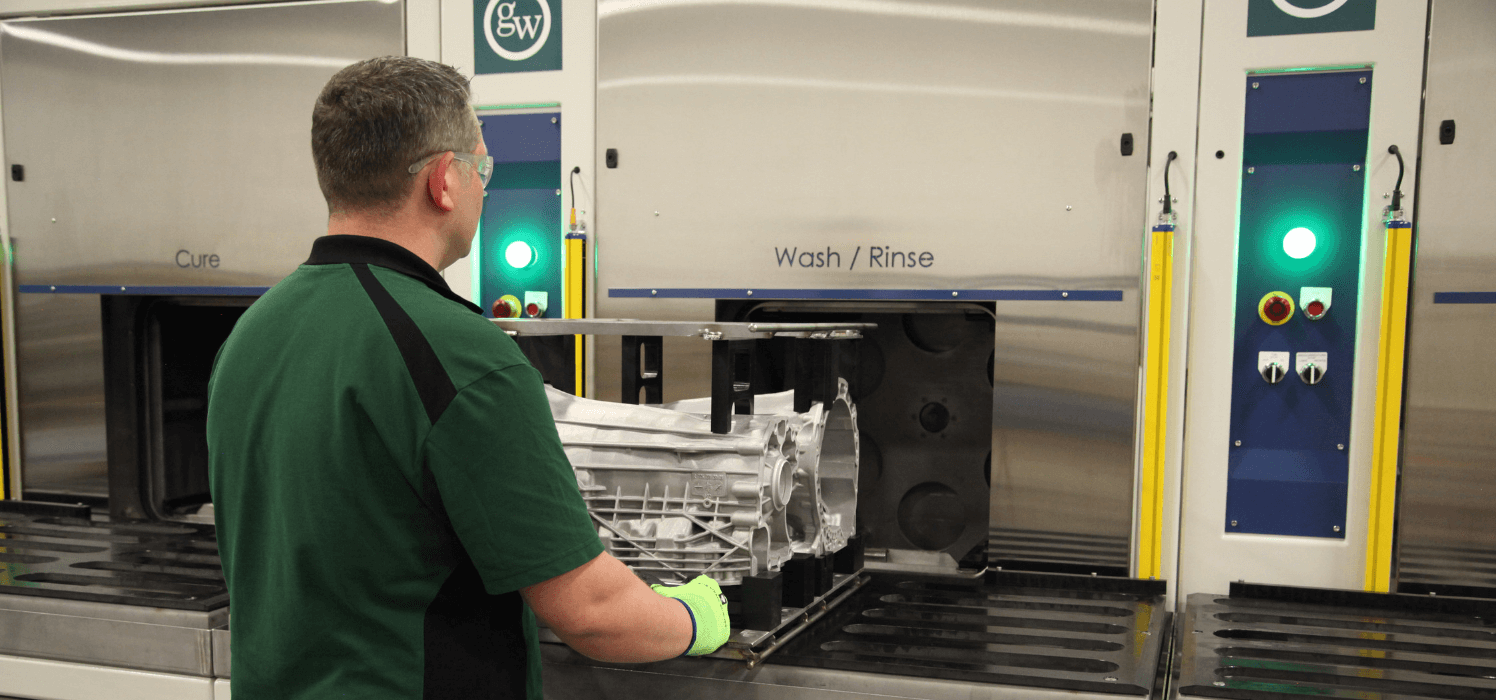
Recoverable sealants provide manufacturers with a significant advantage in sealing aluminum die casting porosity. The sealants are truly green and preserve the environment. They maximize casting recovery while decreasing risk to both operator safety and the environment.