YOUR CART
- No products in the cart.
Subtotal:
$0.00
Modern vehicles contain hundreds of electric control units (ECUs). These control functions that range from operation of the engine to keyless entry. An ECU receives input from the vehicle then communicates with an actuator to perform a specific action. For example, a door lock ECU would activate an actuator to unlock or lock a door. OEMs and manufacturers are introducing more ECUs into vehicles to meet demands in features and performance.
ECUs are commonly manufactured by over-molding metal pins or wires into plastic housings. As metal and plastic expand at different rates during manufacturing, microscopic porosity is created between the materials. If this porosity is connected, a leak path will form. This leak path will create a failure point if the part needs to be pressure-tight.
This case study tells how a tier 1 automotive mechatronic manufacturer used vacuum impregnation to seal leak paths in a new, over-molded ECU.
The manufacturer’s over-molded ECU maintains transmission pressure when the engine is stopped. The parts need to be sealed so transmission fluids do not leak into the ECU, and lubricants in the ECU do not leak into the transmission fluid. Because of this, the automotive OEM requires 100% of its parts to be sealed. In addition, the OEM requires a leak rate of zero and tight cleanliness requirements.
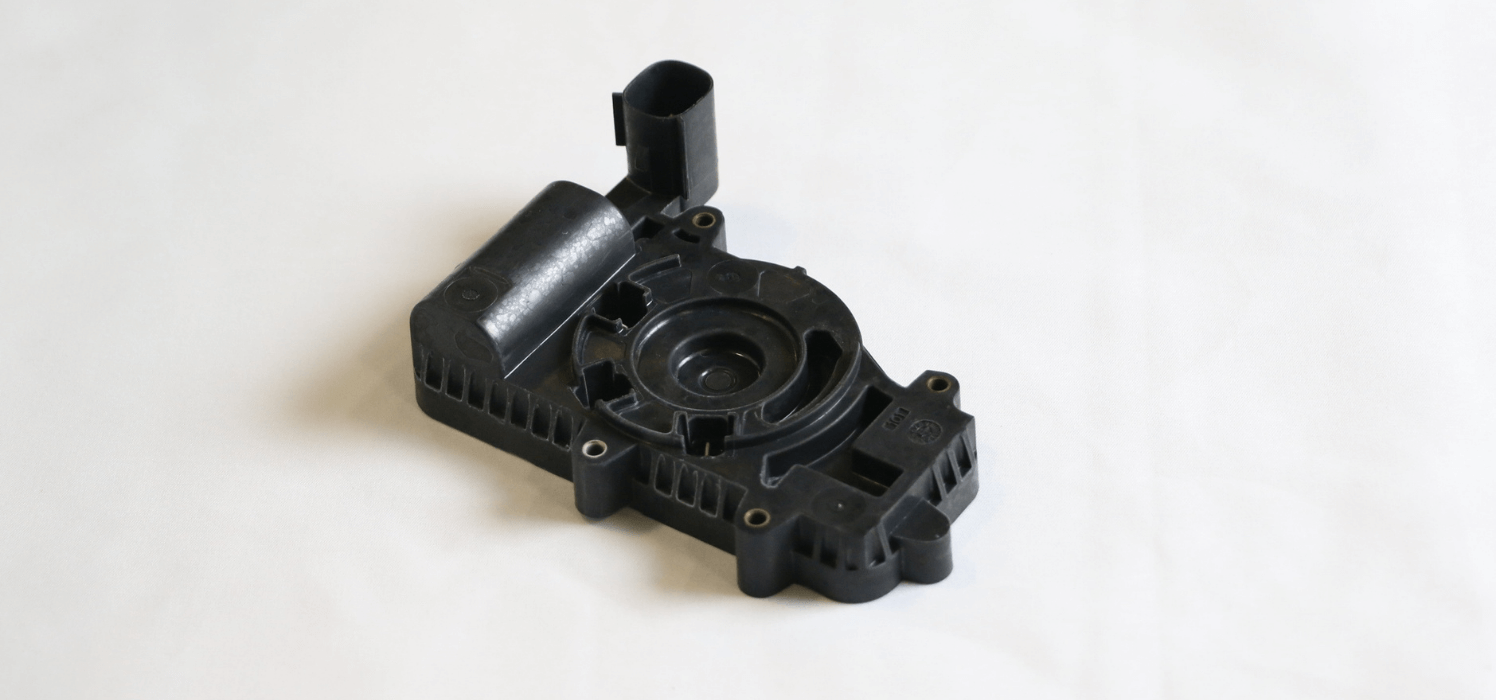
This tier 1 supplier previously used potting to seal similar over-molded electronics. Potting is a process of filling a complete electronic assembly with a thermosetting plastic or silicone rubber for resistance to shock and vibration and excluding moisture and corrosive agents. However, the manufacturer recognized that potting was not viable for this new part because:
The manufacturer realized that potting would not meet this new product’s production or quality requirements. Unaware of other alternative sealing methods, the manufacturer sought advice from the OEM. Having used Godfrey & Wing to seal aluminum die castings for other automotive programs, the OEM recommended Godfrey & Wing.
Godfrey & Wing conducted a series of technical classes on how vacuum impregnation seals leak paths. Based on its new knowledge, the manufacturer realized that vacuum impregnation would be a viable solution for its challenges.
To determine how vacuum impregnation could be most effective for the manufacturer, Godfrey & Wing conducted a Design of Experiment (DoE) using a sample of the over-molded ECU. The DoE discovered a small leak path between the over-molded plastic and metal pins. This leak path would cause transmission fluids to leak from the part, rendering the part ineffective. Multiple processes and sealants were then tested to determine the best seal rates.
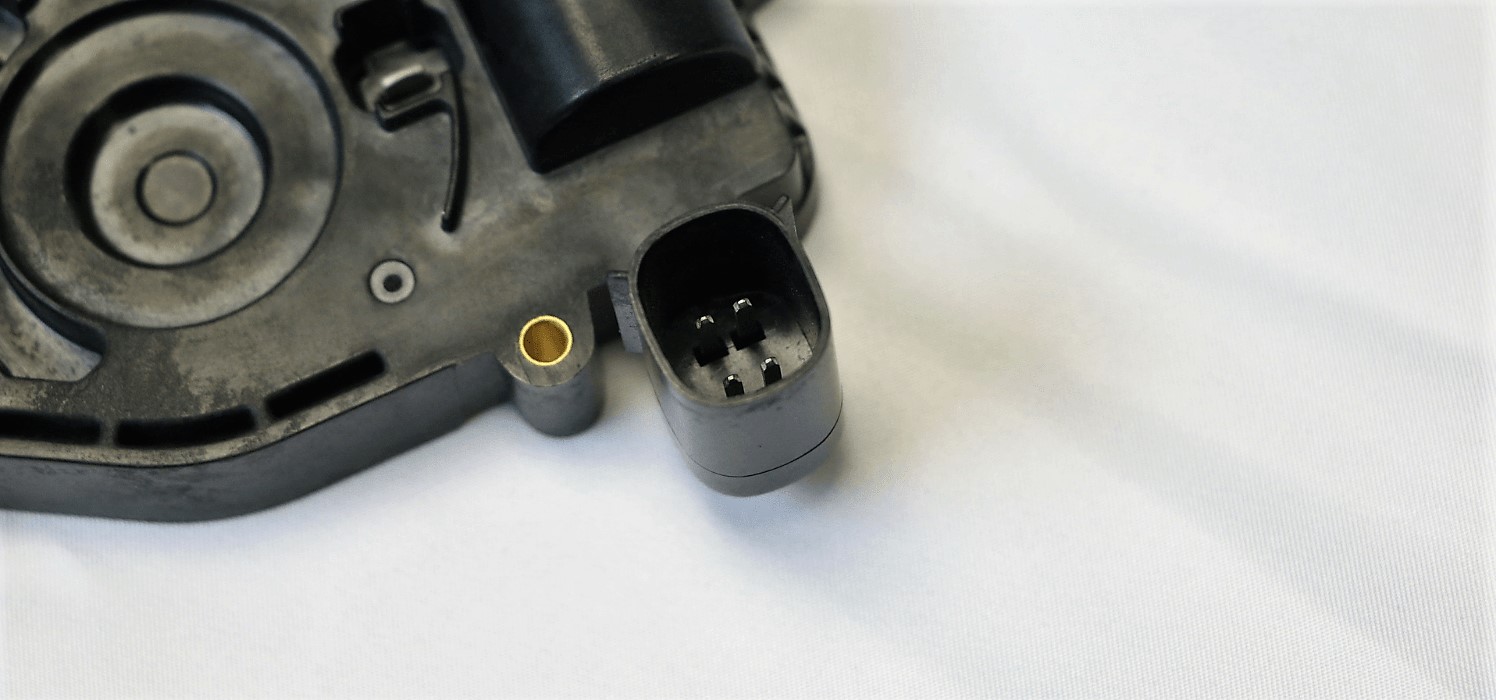
Godfrey & Wing’s research determined that the best process and sealant are:
Based upon the customer’s requirements and DoE, Godfrey & Wing recommended its lean, frontloading EcoSeal vacuum impregnation system
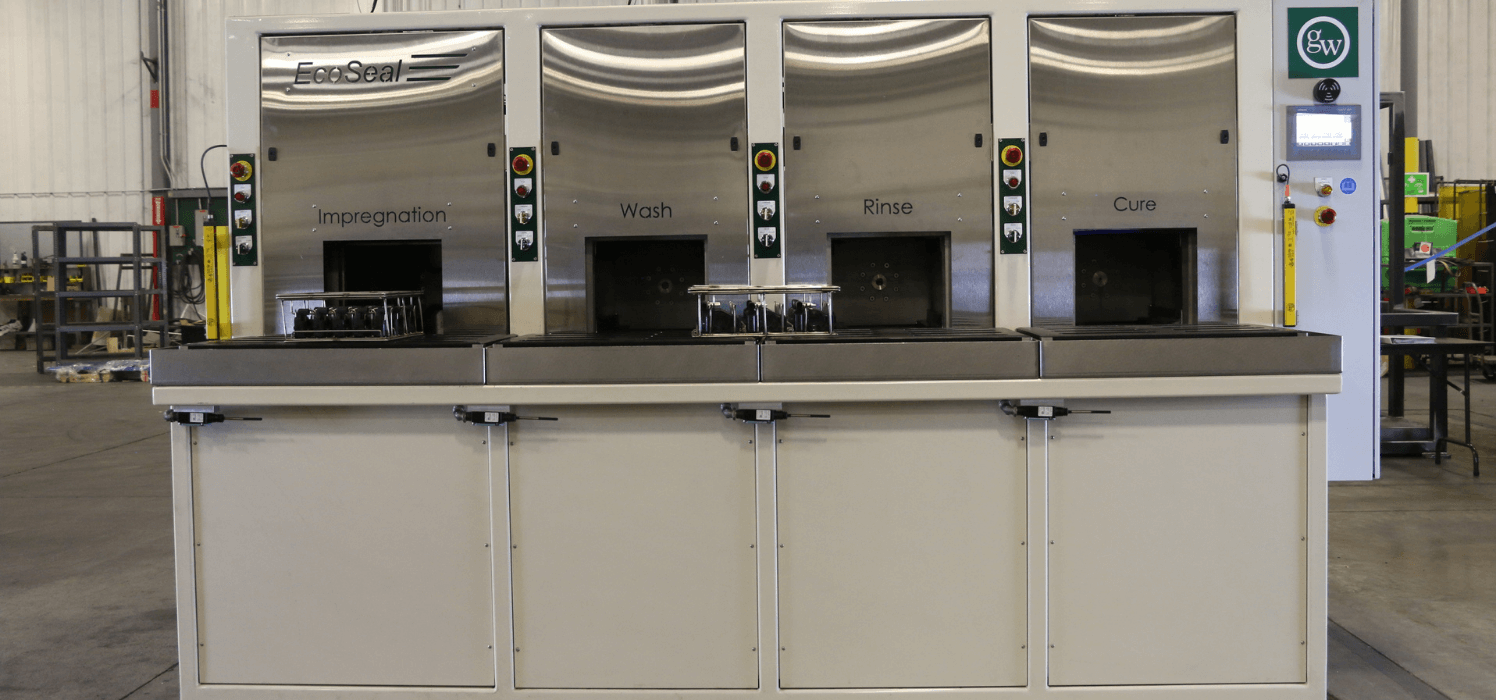
The proposed system would include the following features:
The manufacturer reviewed and approved Godfrey & Wing’s proposal.
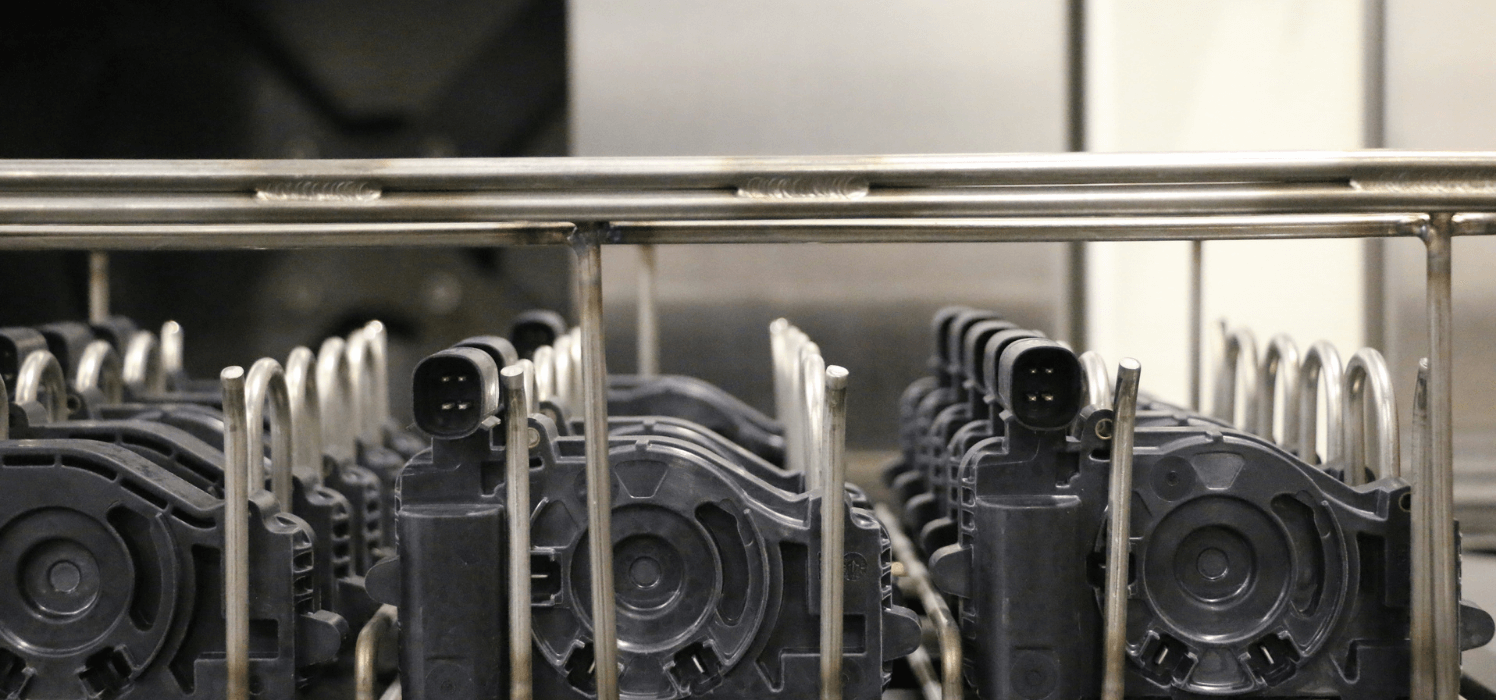
Once the system was completed, the manufacturer received onsite training at Godfrey & Wing. Then when the system was installed at the manufacturer’s facility, operators and technicians received further training on operating and maintaining the EcoSeal. Having no prior experience operating a vacuum impregnation system, the manufacturer found the EcoSeal easy to use.
The EcoSeal is making a significant impact by answering the following challenges:
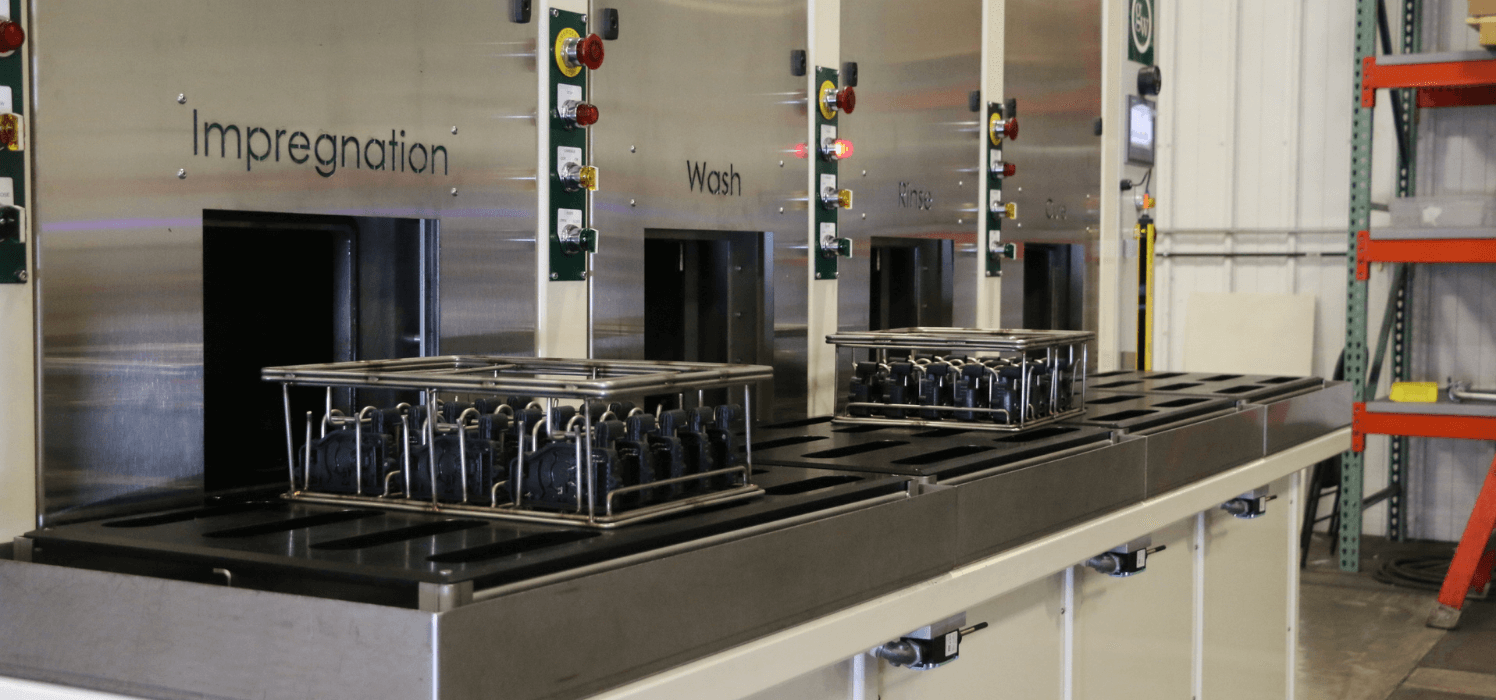
As the use of electronics in automotive manufacturing continues, so too will the demand for vacuum impregnation to seal the leak path of electronics. Through research,Godfrey & Wing’s frontloading EcoSeal, DV process, and Elecflex 440 sealant, collectively, is the best and most economical option to meet the quality and production demands.