YOUR CART
- No products in the cart.
Subtotal:
$0.00
Porosity is a common defect in cast and molded metal components, with many due to either trapped gas or shrinkage issues. Porosity in cast and molded metal components creates leak paths that can compromise pressure-tight integrity. In turn, different parts like powertrain components, hydraulic assemblies, and electrical housings need reliable solutions to seal microscopic voids before parts fail in the field.
Godfrey & Wing provides vacuum impregnation equipment, specialized sealants, and services that eliminate porosity in metal castings. We’ve served the manufacturing industry for over 75 years and maintain the largest global network of vacuum impregnation service centers. Below, learn more about what vacuum impregnation is, how the process seals leak paths, and when manufacturers should implement this technology to reduce scrap and warranty costs.
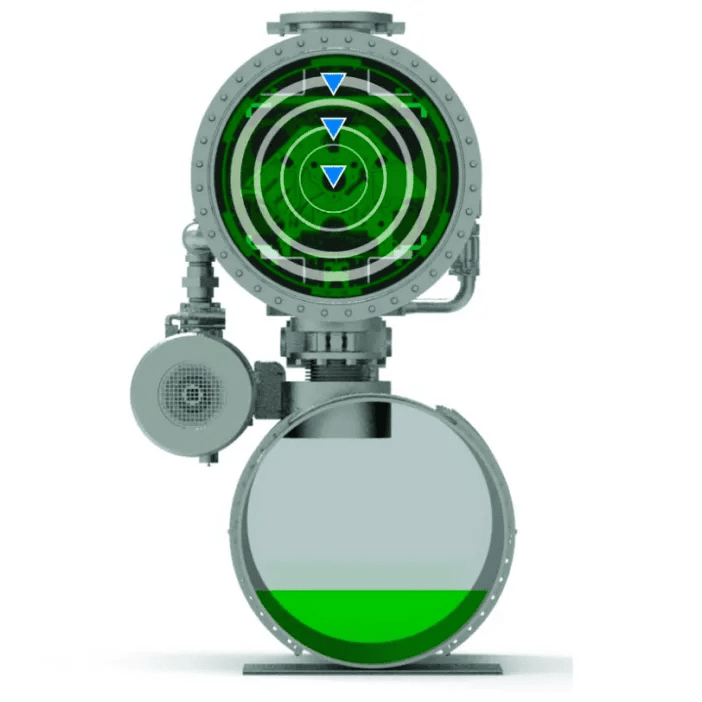
The vacuum impregnation process forces liquid sealant into the porosity matrix of metal parts through three phases of the resin impregnation process: vacuum evacuation, pressure application, and thermal curing.
Components enter a sealed chamber to remove air and moisture trapped inside the porous network. Manufacturers then introduce liquid resin, such as a low-viscosity anaerobic or thermal cure material. The chamber repressurizes, driving resin deep into the evacuated pores. After draining and washing to remove excess resin, parts move to a curing stage.
The result is a component with sealed leak paths and restored pressure-tight integrity. This vacuum impregnation definition encompasses the complete cycle from evacuation to cured seal.
Casting and molding processes used for creating a range of metal components can lead to porosity. When raw materials are liquefied and injected into a mold, the process creates gas bubbles, which can get trapped as the material solidifies. These gas bubbles create air pockets, folds, and inclusions. Depending on their size and placement within the part, this porosity can create leak paths that allow fluids and gases to escape under pressure.
Components subject to pressure differentials, thermal cycling, or corrosive environments cannot tolerate interconnected porosity. A transmission housing with a pinhole leak or a pump body that weeps hydraulic fluid, for instance, is an issue that the porosity sealing process addresses.
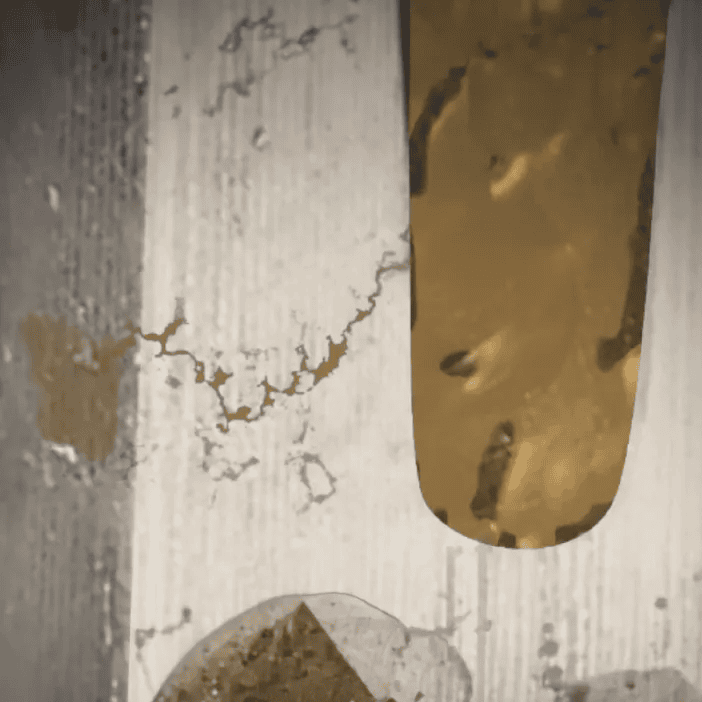
Resin impregnation fills the interconnected void network to seal leak paths. Vacuum impregnation sealants have low viscosity, so resin flows through capillaries as small as 10 microns in diameter.
Anaerobic resins polymerize in the absence of oxygen, making them suitable for sealed environments like the interior of a porosity network. Thermal-cure sealants cure under heat to create cross-linked polymer chains that resist the influence of solvents, oils, and temperature extremes, making them ideal for sealing micro-porosity in castings. The cured sealant bonds to the metal substrate and creates a continuous seal that can withstand operating pressure and stresses.
This differs from surface coatings or infiltrants applied at atmospheric pressure, which can’t reach the deep, interconnected voids that cause leaks.
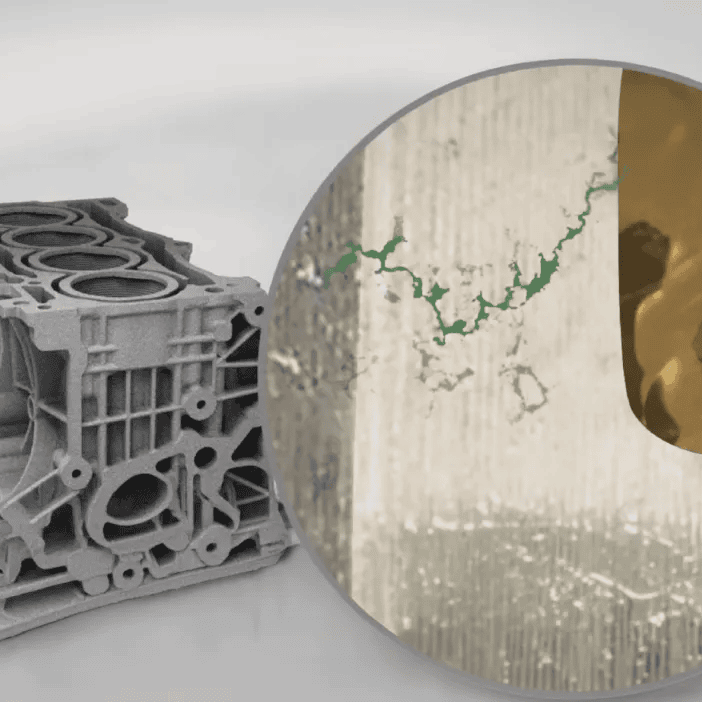

Vacuum impregnation can be used to transform discrepant parts into sellable inventory. A component that fails pressure testing due to porosity doesn’t require remelting and recasting; it may simply require impregnation. This capability to recover the casting and lower per-unit costs, particularly for complex castings where machining represents substantial value before leak testing.

The porosity sealing process occurs in minutes, allowing quick return of components to assembly lines. For high-volume operations, this speed prevents production bottlenecks and maintains delivery schedules, allowing manufacturers to process batches of questionable parts rather than reject them.

Sealing components prevents leakage from thermal cycling through porous zones. This can help in protecting brand reputation and reducing the cost of returns and replacements due to field failures related to porosity decline.

Cast processes can be used that optimize for weight reduction, complex geometry, or material cost without being constrained by porosity concerns. The vacuum impregnation process, as a downstream solution, enables more aggressive design decisions that improve product performance.
The sealant chemistry is a key factor in sealing effectiveness and component durability. Modern vacuum impregnation sealants fall into three categories. Thermoset resins cure under heat and form cross-linked polymer networks that withstand extreme temperatures and aggressive chemicals. They dominate automotive and industrial applications, performing well in powertrain components, hydraulic housings, and fluid-handling assemblies operating at moderate service temperatures.
Anaerobic resins cure in the absence of oxygen, making them ideal for sealed porosity networks. They work well for powder metal and electrical components.
Sealant selection depends on operating conditions: temperature ranges, chemical exposure, and material substrate.
Vacuum impregnation has proven essential in industries where pressure-tight integrity determines component performance, such as:
Engine blocks, transmission housings, and ABS modules must withstand oil pressure, coolant circulation, and thermal cycling without leaks, thus benefiting from vacuum impregnation.
Vacuum pressure impregnation of motor windings with specialized resins extends service life in transformers and electrical components for utility applications.
Hydraulic components, fuel system parts, and assemblies undergo vacuum impregnation to prevent leak-induced failure in mission-critical systems.
Microscopic porosity can be addressed in hydraulic pumps, valves, and manifolds to eliminate internal leakage that can otherwise reduce efficiency.
Porosity sealing can be used with HVAC components, compressor housings, and cast or powder metal parts to improve quality.
Vacuum impregnation has proven essential in industries where pressure-tight integrity determines component performance, such as:
Our patented systems are designed to meet OEM sealing requirements with vacuum levels, pressure application, and curing parameters to match each component’s porosity characteristics.
We manufacture vacuum impregnation equipment, develop environmentally friendly sealants, and operate a global service network. Contact us to discuss how vacuum impregnation can improve efficiency and reduce porosity in your manufacturing processes.